Split at night is a progression, not a venue. Sunset on the Riva, wine in the palace cellars from nine, then a decision at half twelve: Bačvice for the beach party, a central club for big-room dancing, or a quiet bar and home by one. Everything is walkable.
The mistake is picking one bar and staying in it. Split's night runs through zones, and the best place at eight is not the best place at one: the Riva, then Diocletian's Palace, then either Bačvice or a central club, then whatever is still open. The whole progression is walkable — Bačvice is ten minutes on foot from the palace — which is what makes Split nightlife work.
The shape of a good evening
19:30–21:00 — dinner. Dinner is late in Split, and nothing else needs to happen before eleven.
21:00–22:30 — a wine or cocktail bar inside the palace walls, while you can still hear each other.
22:30–00:30 — the Riva for the walk and the crowd, then one more Palace venue.
00:30 — decide what kind of night you are having. This is the real decision point, not nine o'clock.
01:00–03:30 — the club, the beach or home. All three are defensible.
The palace wine bars are the strongest hour of that sequence, and the one most people skip because they are already thinking about the club.
Four kinds of night
Bar-hopping in the Palace
Small bars in stone lanes and Roman courtyards, five minutes apart, with strong wine and cocktail lists and a crowd that came to talk. Best atmosphere in the city, weakest dancing — the rooms are small and many of them quieten between midnight and one. It suits couples, anyone over thirty, and groups who want to hear each other.
The big night out
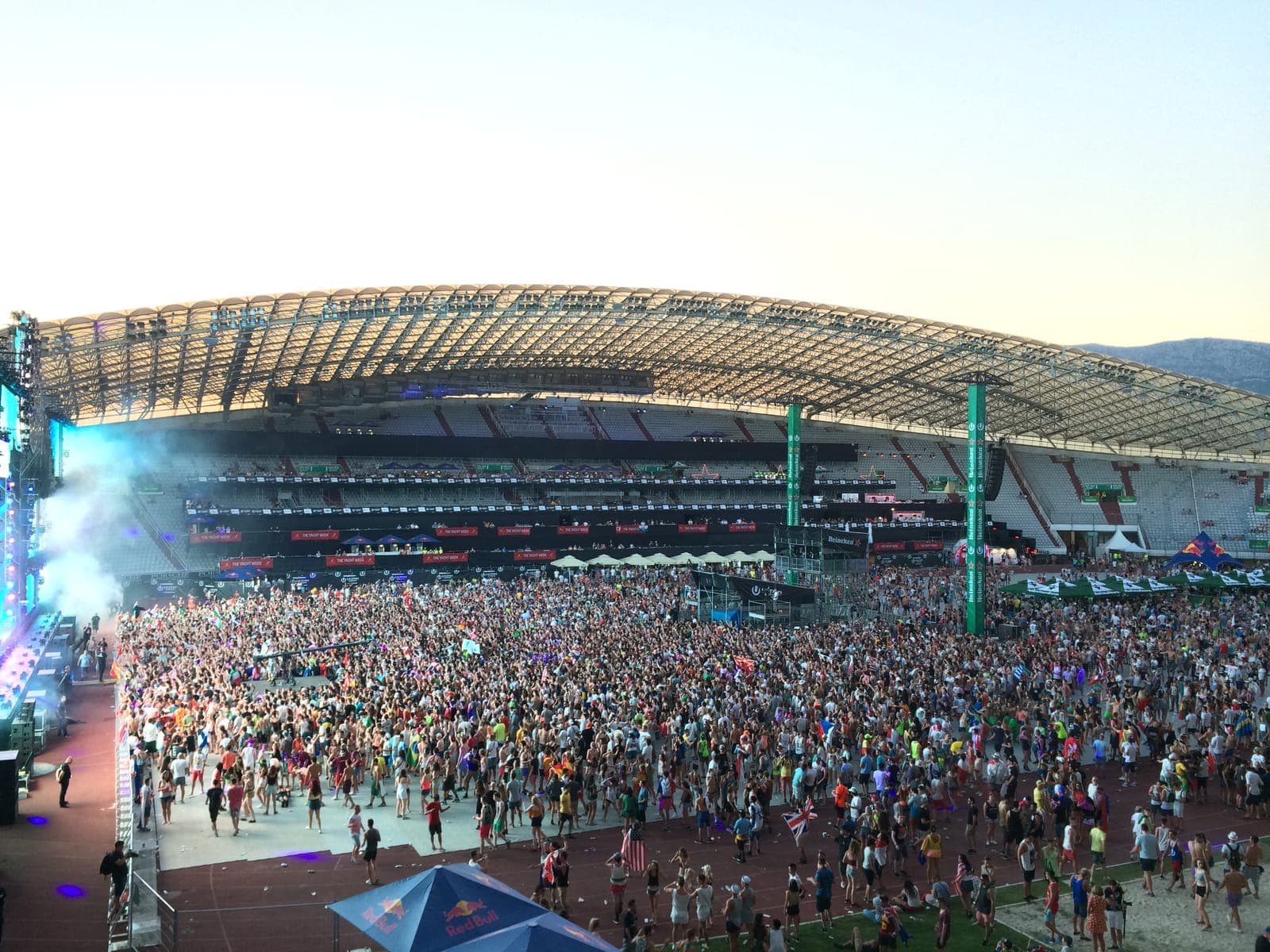
Central is the closest thing Split has to a conventional European nightclub: a bigger room, club nights and DJs, and central enough to walk to. Vanilla is the large summer version out around Poljud, far enough from the historic core to be a destination for the evening rather than a stop on an old-town crawl. Both reward arriving after half twelve. Neither is the night for discovering Split itself — you are there for the room and the dance floor, not for the city's own bars.
The beach party
Bačvice is beach culture that turns into nightlife — younger, louder and less formal as the night develops. Fun rather than refined, and wrong for quiet conversation or serious cocktails. If dancing until four is the goal, start here instead of drifting over at two.
The underrated layer is the smaller social, cocktail and jazz bars in the neighbourhoods, away from the party circuit. Wine, a Roman courtyard, one good cocktail bar and home at one is a real Split night, not a failed one. It is the wrong one if you came to dance, though — there is little sense in spending the prime hours in a quiet cocktail bar if the plan is to be out until four.
Who this is wrong for
Anyone who came for world-class clubbing alone will be mildly disappointed: the strength here is the combination — Roman streets, waterfront, beaches, walkability, late summer nights — not any single room. November to March is a different city, with most of the beach clubs shut and the night gone indoors and local.
If the dates are not fixed yet, when to visit Split decides most of this for you.
The evening walk. Start here at eight; everyone else does.
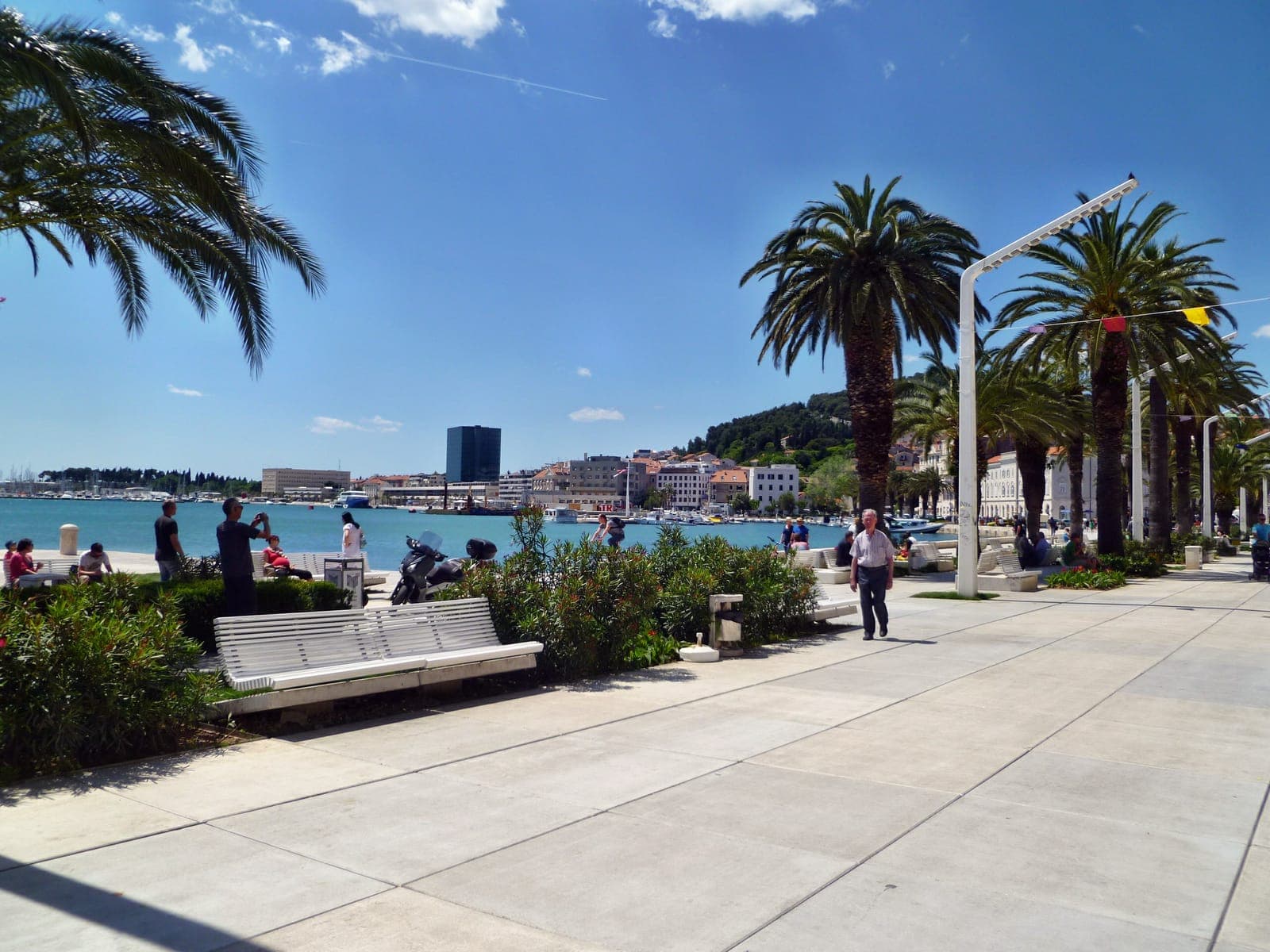
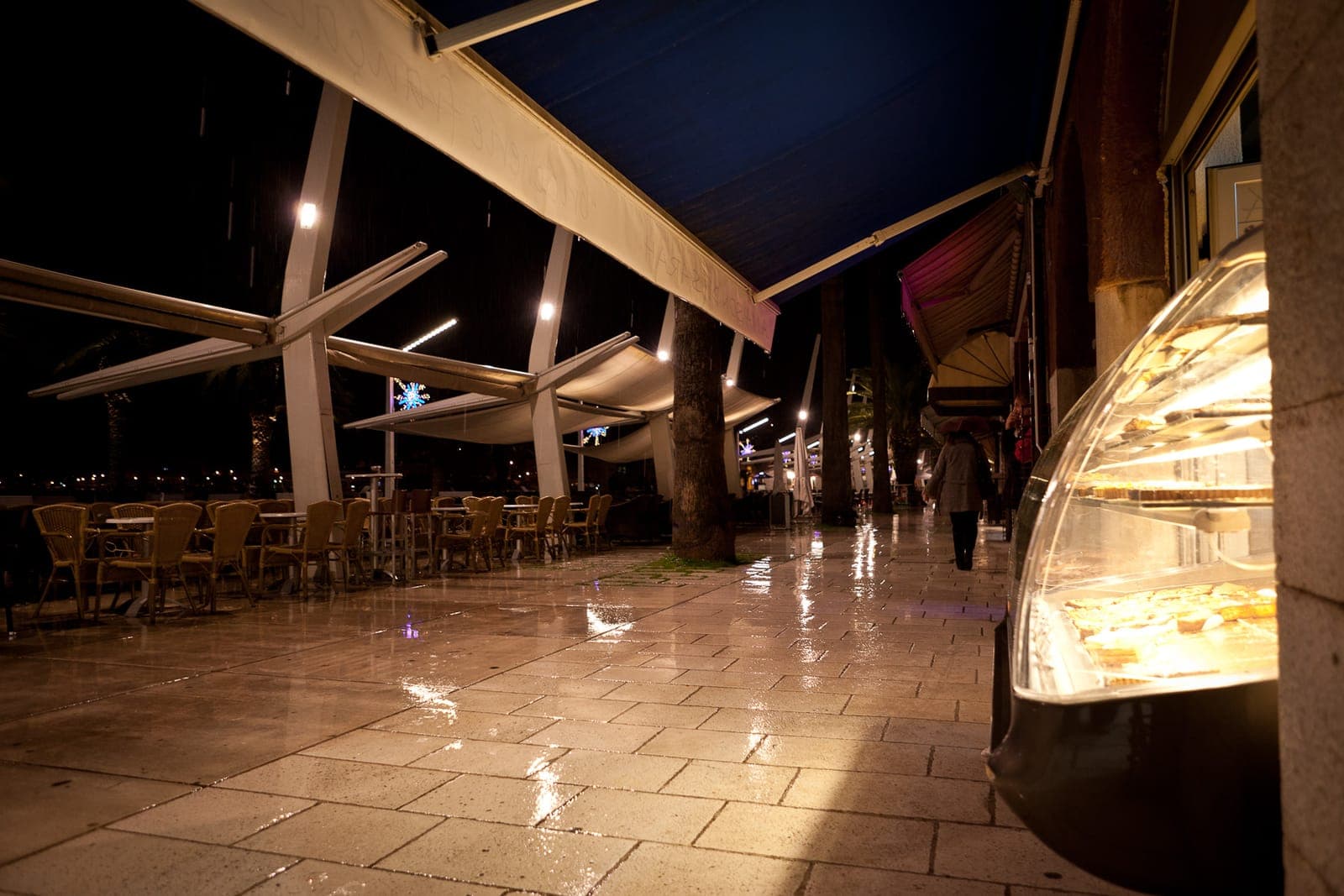
Split's palm-lined seafront promenade, and the city's actual living room. Locals walk it at seven every evening, coffee lasts an hour, and nobody is in a hurry. Free, always open, and the correct place to watch the light go orange on the palace wall.
Sit at the back tables, not the front row: same view, half the price, no menu in six languages.
Split's staging area, not its destination. The seafront cafés turn into bars after eight, and you are paying for the seat and the view of the palace wall going gold — a fair trade for one round while the group assembles, a poor one for a whole evening. Move inside the walls by half ten.
How the night actually runs, hour by hour, and the mistake almost everyone makes at half ten.
Split nightlife is not one club district but a progression through zones, and the hour matters more than the venue. Dinner, then the palace lanes, then the Riva, then a decision at half past midnight: Bačvice for the beach party, or a central club for the dance floor. Timing is what visitors get wrong.
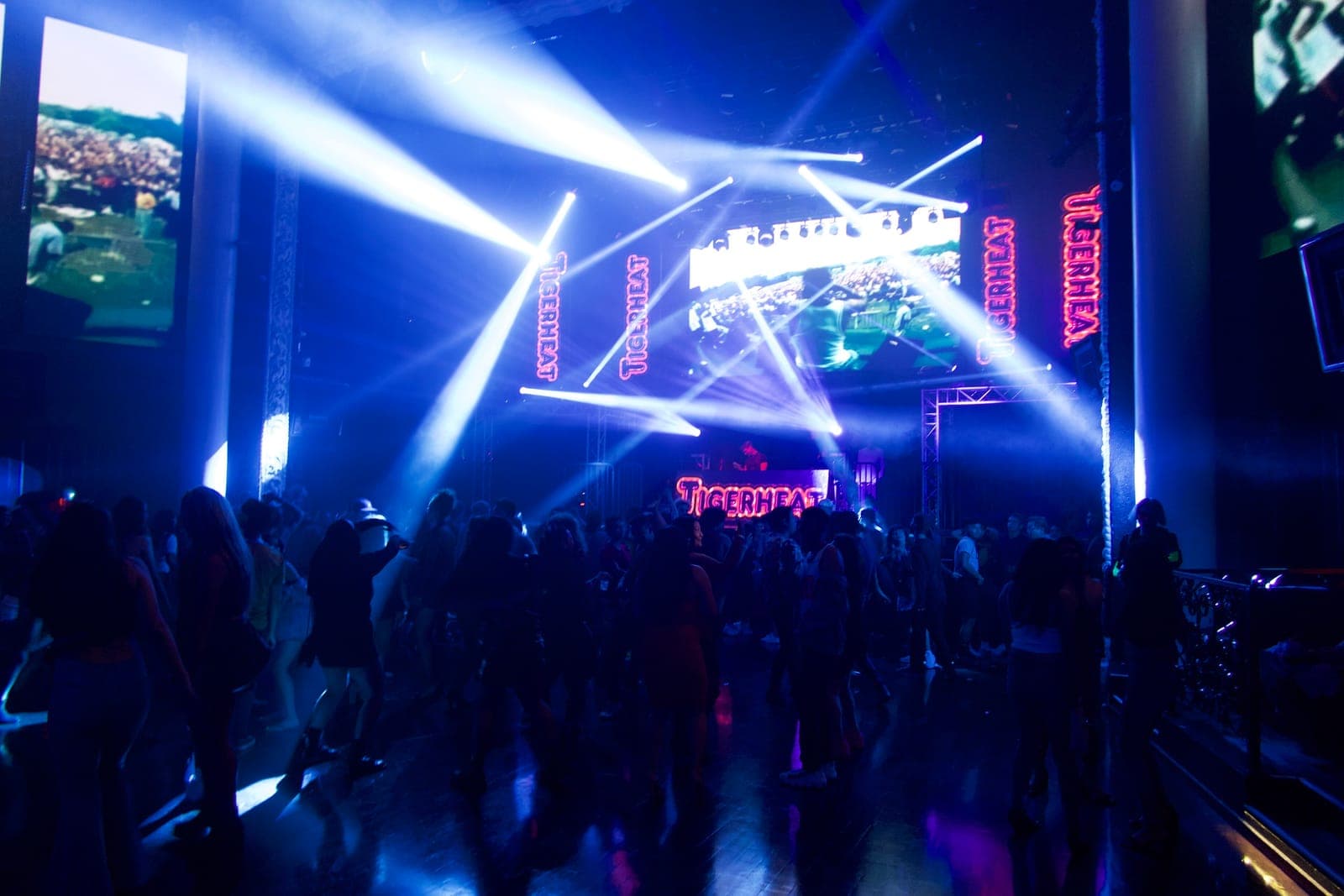
The big room. Empty at half ten, unrecognisable at one — go late or do not go.
Central is the closest thing Split has to a conventional big-room European nightclub, centrally placed and built for larger DJ nights. It does not get going until after midnight. Arrive at 22:30 and you will find a half-empty room and conclude the city is dead; come back at one and it is unrecognisable.
Out by Poljud, and a destination rather than a stop. For the night you plan around, not the one you wander into.
Vanilla is Split's big summer party venue, out by Poljud rather than in the old town, which makes it a destination for a planned night rather than a stop on a bar crawl. Go if you want a large room, a late finish and holiday energy; skip it if you came to find Split's own bars.
Where the local crowd drinks: jazz, cocktails and neighbourhood rooms off the party circuit.
The layer between the Riva and the clubs: small cocktail rooms, jazz corners, hostel bars and neighbourhood cafés that turn into bars after nine. This is where the local crowd drinks, it costs about a third less than the seafront, and it is the part of Split nightlife that still works in February.
Klapa singing under the Vestibule dome, most evenings in summer.
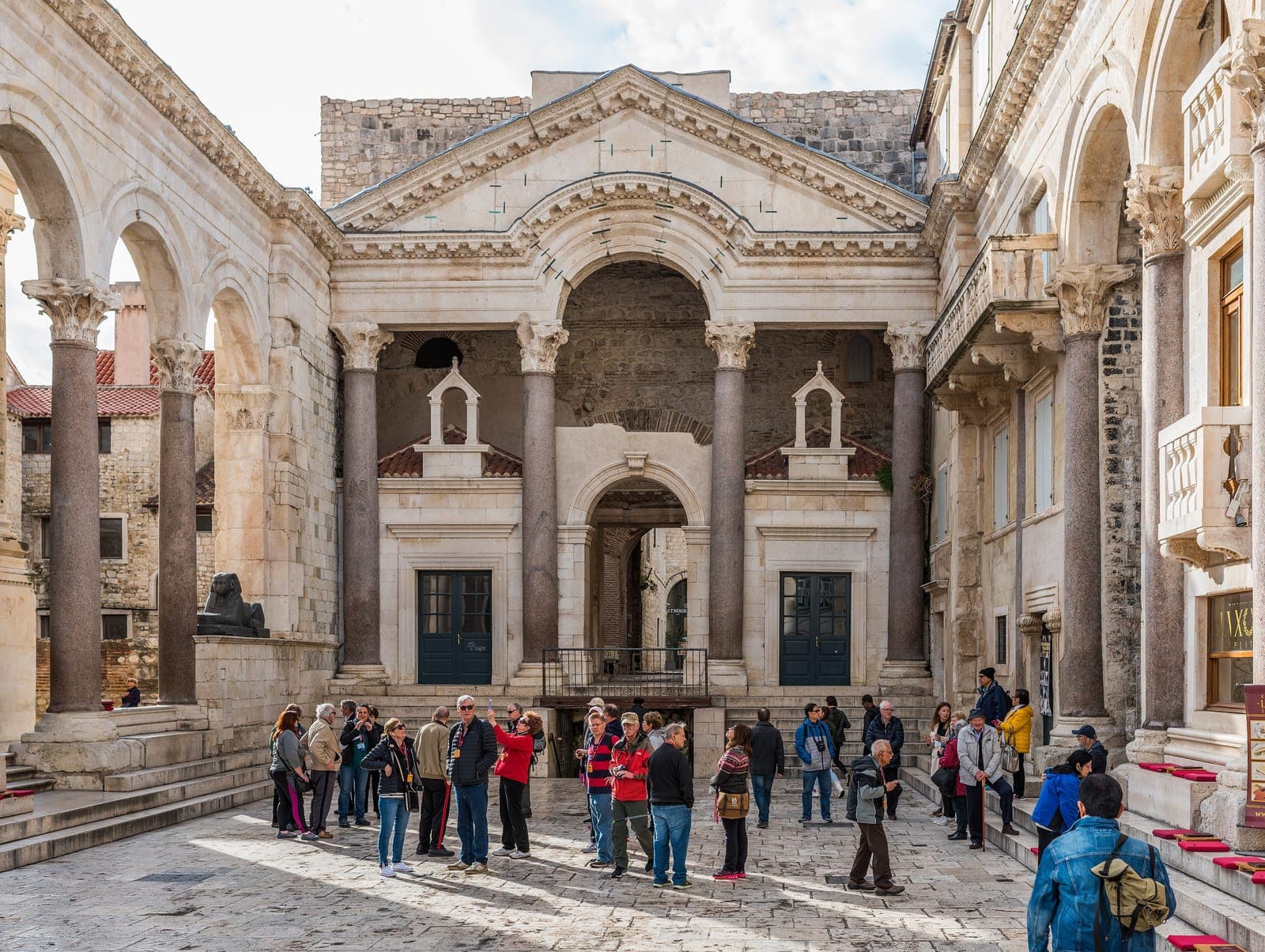
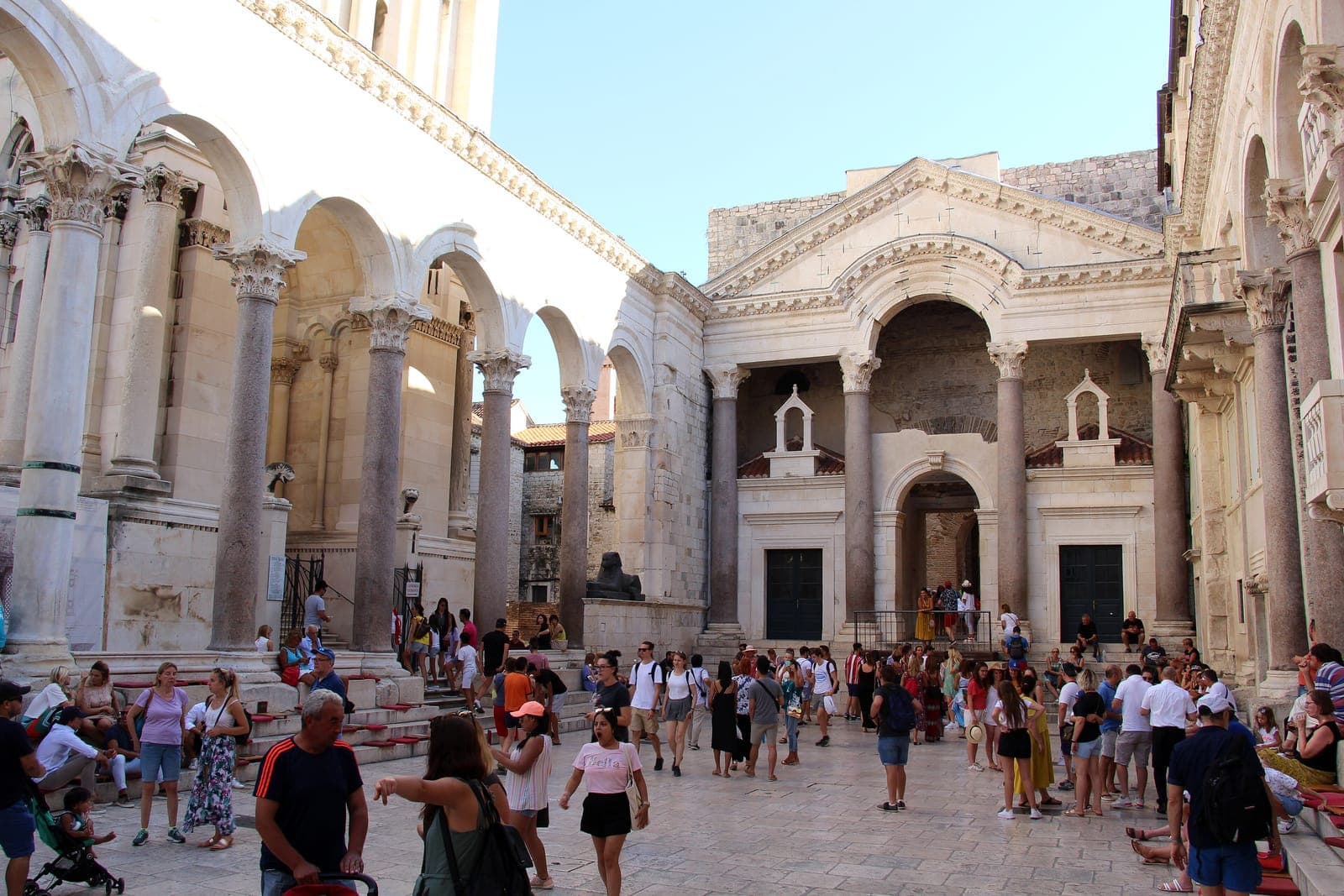
The colonnaded courtyard at the centre of Diocletian's Palace, where the emperor appeared to his subjects and where Split now drinks wine on the steps. Free, roofless, and the best-preserved Roman square you can sit down in.
The beach clubs behind the sand run until three or four in summer.
Split's city beach, and the only proper sand within walking distance of the palace. Shallow for fifty metres, which makes it excellent for small children and the reason picigin — Split's own barefoot ball game — was invented here.
Two hours on the water as the light goes. The best first evening in Split.
Two hours out of the city harbour towards Čiovo and back as the light goes, with a drink in your hand and Split's waterfront lit from the water. The single easiest good decision on a first evening in the city.
Opera in a Roman courtyard, most July and August nights.
A month of opera, drama, ballet and concerts staged in the Peristyle, the cathedral and the fortresses. Running since 1954, and watching Aida performed against a Roman colonnade is the best thing in Split in July.
Two hours on a board lit from underneath, pushing off Stobreč as the sun goes and paddling into the river mouth in the dark. The LEDs light the bottom through three metres of water, which is the whole point: you can see what is down there.
Three nights of electronic music at Poljud stadium in mid-July, followed by Destination Ultra week on Hvar, Brač and Vis. The city fills completely — book accommodation months ahead or plan around it.
The nine-until-midnight part of a Split night, and the best of it. Small cellars and side rooms inside Diocletian's Palace pour Dalmatian wine by the glass with no music you have to shout over. Arrive before nine if you want a table, and leave around midnight when the lanes empty.
Where a Split night ends rather than starts. The row of clubs behind the sand fills from about midnight, runs to three or four in summer, and sits a ten-minute walk east of the Riva, so nobody needs a taxi home. Loud, young and pop-driven — arrive before one and it will feel empty.
Six weeks of lights, mulled wine, fritule and klapa concerts on the Riva and around the Prokurative. Free, genuinely local rather than tourist-facing, and the best reason to visit Split in winter.
Move through it rather than picking one place: the Riva walk at sunset, the small bars inside Diocletian's Palace from about nine, then either the Bačvice beach clubs or a central club after half twelve. It is all within a twenty-minute walk, so nothing needs a taxi.
What time do clubs get busy in Split?
Between one and three in the morning in summer. Arriving at half ten and finding the room empty is the standard mistake — the same club at one is a different place. For serious dancing, aim to arrive between half twelve and half one.
Is Split good for nightlife in winter?
Much less so. From November to March the beach clubs are shut and the outdoor season is over, so the night moves indoors and becomes local and venue-dependent. Summer is what adds the beach parties, outdoor clubs, later nights and international DJs.
Get out there
Tours that go here
Guided trips that include this stop, with live availability.
A full day on a fast twelve-seat boat: the Blue Cave on Biševo, the Monk Seal cave, Stiniva's famous cove, lunch on Vis and a swim off Budikovac's turquoise lagoon, finishing with a stop at Hvar town. Ten and a half hours, small group, no coach transfer.
Ninety minutes through the palace with a guide who lives inside it: the Golden Gate, the cellars, the Peristyle, the cathedral and the streets in between. Small group, no flag, and a proper explanation of why a Roman emperor retired to a cabbage patch in Dalmatia.
Five hours to Šolta and back on a ten-person boat: three swim stops in coves you cannot reach by road, an hour in Maslinica for dinner or a drink, and the run home across the channel as the sun goes down behind the island.