Split's sights sit inside a working Roman palace, so most of them are a five-minute walk apart. Start with Diocletian's Palace and the cathedral bell tower, then climb Marjan for the view that makes sense of the whole city.
Diocletian's Palace is free: its lanes, the Peristyle, the domed Vestibule and the central passage through the cellars are open at all hours with no gate. You pay only for interiors — the side halls of the cellars (€10 for adults as of October 2026) and the cathedral, bell tower, crypt, treasury and Temple of Jupiter, ticketed separately. Built around AD 305, it is still full of homes, bars and shops.
The oldest cathedral building in the world still in use, and it started life as the mausoleum of the emperor who persecuted the man it is now named after. The bell tower beside it gives you the best view in Split for the price of 183 steps.
The pine-covered hill on Split's western edge, a fifteen-minute walk from the Riva and the reason the city feels liveable in August. Free, open always, with viewpoints, hermit chapels, swimming coves at the bottom and a proper trail network on top.
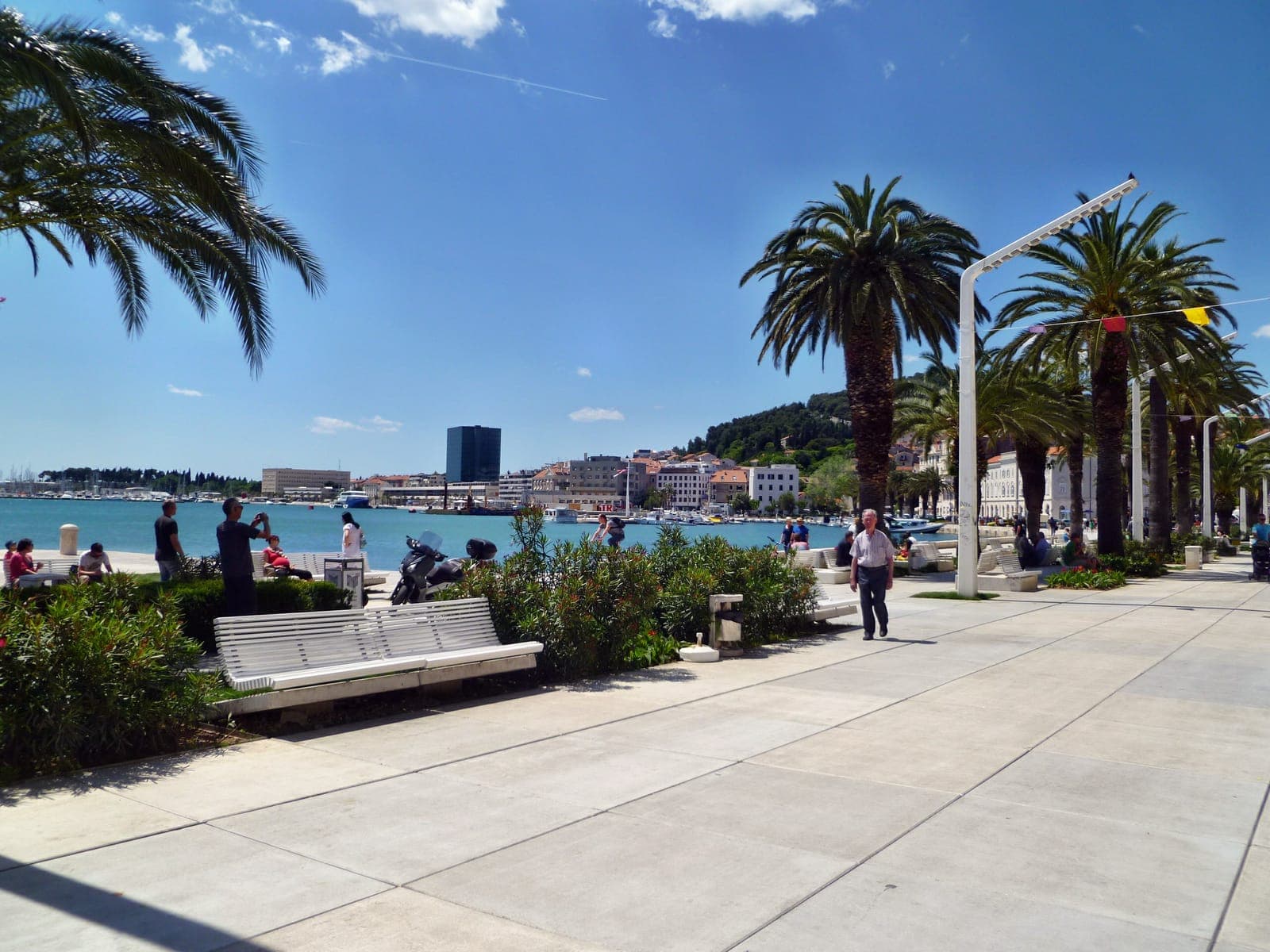
Split's palm-lined seafront promenade, and the city's actual living room. Locals walk it at seven every evening, coffee lasts an hour, and nobody is in a hurry. Free, always open, and the correct place to watch the light go orange on the palace wall.
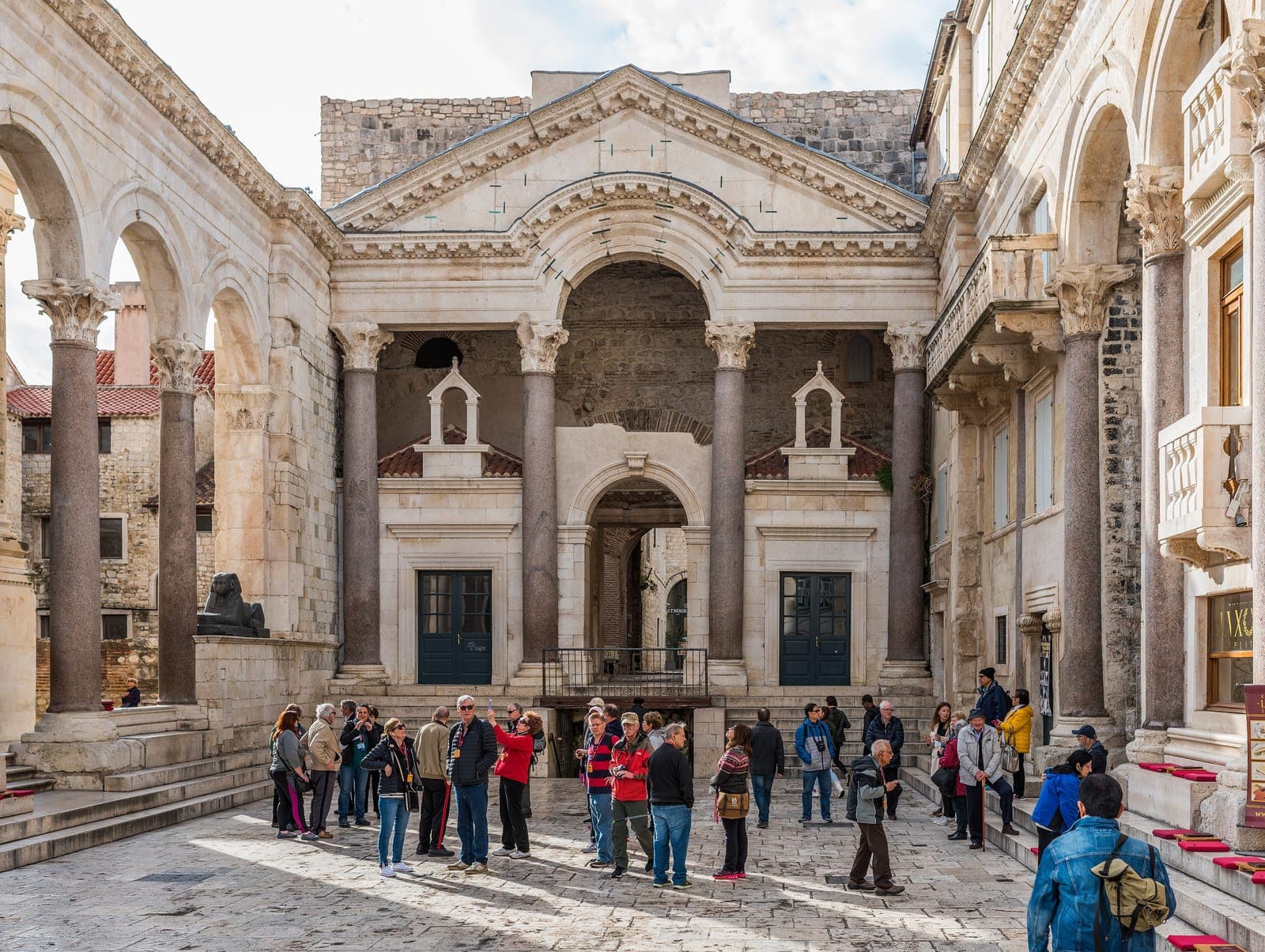
The colonnaded courtyard at the centre of Diocletian's Palace, where the emperor appeared to his subjects and where Split now drinks wine on the steps. Free, roofless, and the best-preserved Roman square you can sit down in.
The vaulted basement halls that held up the emperor's apartments, preserved because they were filled with rubbish for a thousand years. The best-surviving Roman substructure anywhere, ten degrees cooler than the street, and the one part of the palace that looks like a ruin.
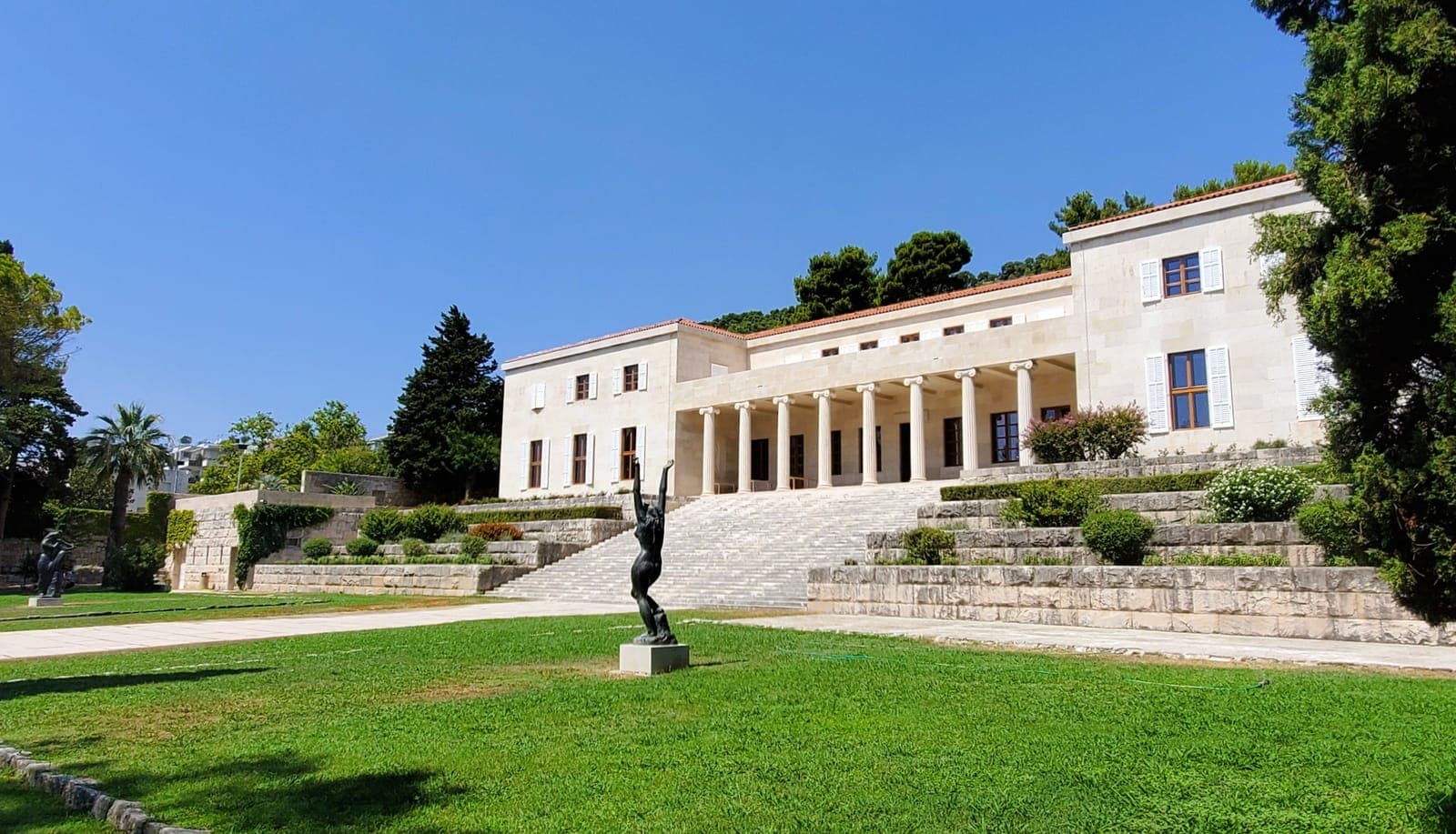
The villa Ivan Meštrović built for himself on Marjan's south slope, now the best museum in Split. Sculpture inside, a garden of bronzes with a sea view outside, and the Kaštelet chapel with his wooden reliefs five minutes down the road.
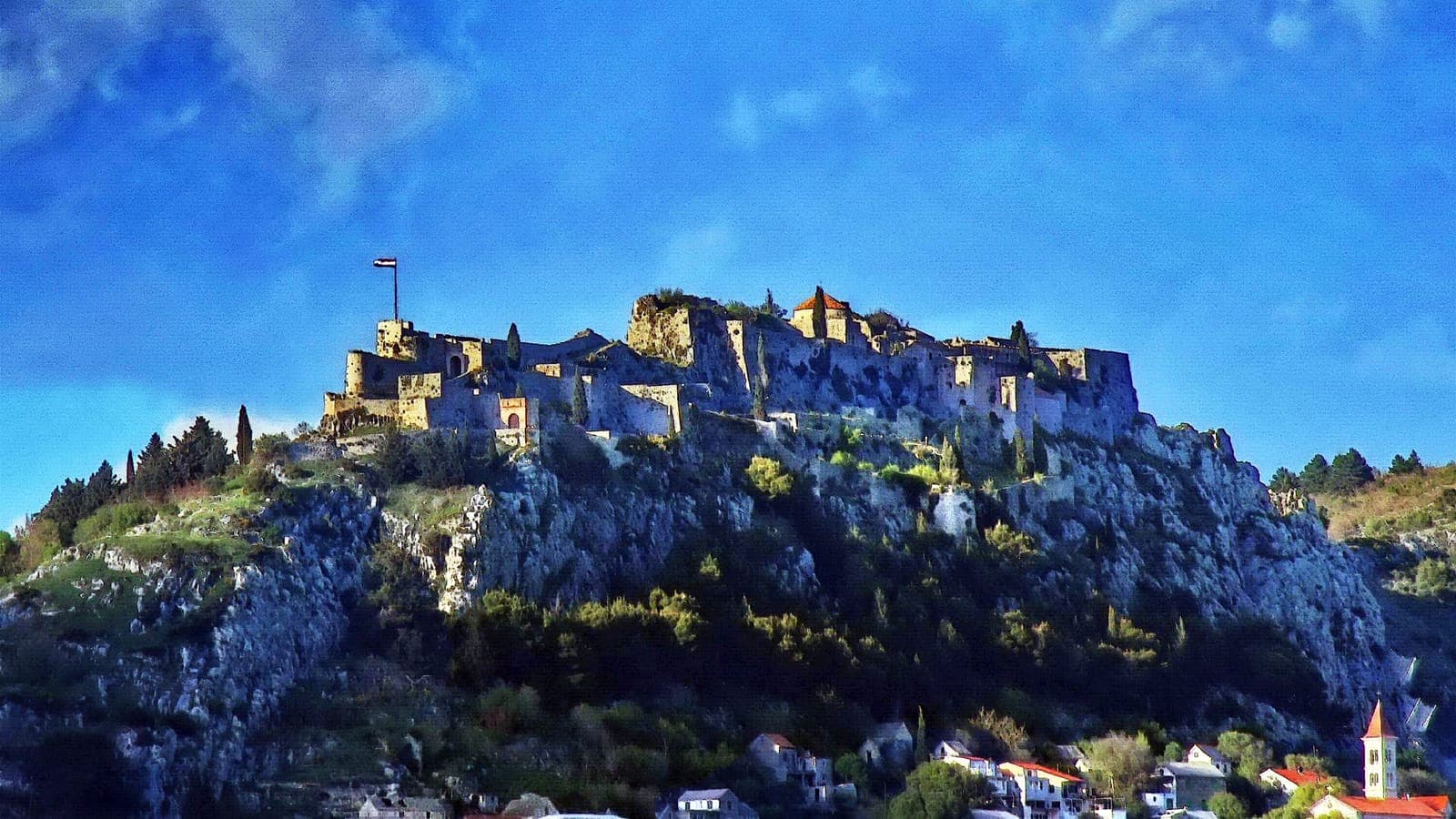
A fortress wedged into a mountain pass above Split, held by Romans, Croatian kings, Ottomans and Habsburgs in turn — and used as Meereen in Game of Thrones. Twenty minutes on the bus, and the view down to the coast explains a thousand years of fighting over it.
The nine-until-midnight part of a Split night, and the best of it. Small cellars and side rooms inside Diocletian's Palace pour Dalmatian wine by the glass with no music you have to shout over. Arrive before nine if you want a table, and leave around midnight when the lanes empty.
The open-air produce market against the palace's eastern wall, running every morning since forever. Figs, tomatoes, olive oil, cheese from Pag, and old women who will tell you your peaches are not ripe yet. Free to walk through, best before nine.
The layer between the Riva and the clubs: small cocktail rooms, jazz corners, hostel bars and neighbourhood cafés that turn into bars after nine. This is where the local crowd drinks, it costs about a third less than the seafront, and it is the part of Split nightlife that still works in February.
Where a Split night ends rather than starts. The row of clubs behind the sand fills from about midnight, runs to three or four in summer, and sits a ten-minute walk east of the Riva, so nobody needs a taxi home. Loud, young and pop-driven — arrive before one and it will feel empty.
Central is the closest thing Split has to a conventional big-room European nightclub, centrally placed and built for larger DJ nights. It does not get going until after midnight. Arrive at 22:30 and you will find a half-empty room and conclude the city is dead; come back at one and it is unrecognisable.
The capital of Roman Dalmatia and a city of 60,000 people before Split existed. What is left is a wide field of foundations, an amphitheatre and early Christian basilicas, twenty minutes out in Solin — quiet, uncrowded and almost entirely yours.
The hour before the Riva. A pine-shaded headland fifteen minutes west of the harbour, on the site of an old cemetery, where you sit on the wall with a bottle from the shop and watch the sun drop behind Čiovo. Free, no bar, no music — then walk back down for dinner.
A thirteenth-century chapel on the Marjan staircase, halfway between Varoš and the ridge. Small, usually locked, and the terrace in front of it is the quietest good view in Split — most people walk straight past on the way to Vidilica.
Split's staging area, not its destination. The seafront cafés turn into bars after eight, and you are paying for the seat and the view of the palace wall going gold — a fair trade for one round while the group assembles, a poor one for a whole evening. Move inside the walls by half ten.
An eight-metre Meštrović bronze just outside the Golden Gate, of the bishop who fought to keep the liturgy in Croatian. Everyone rubs his big toe for luck, which is why it is the only polished part of him. Free, and takes five minutes.
Vanilla is Split's big summer party venue, out by Poljud rather than in the old town, which makes it a destination for a planned night rather than a stop on a bar crawl. Go if you want a large room, a late finish and holiday energy; skip it if you came to find Split's own bars.