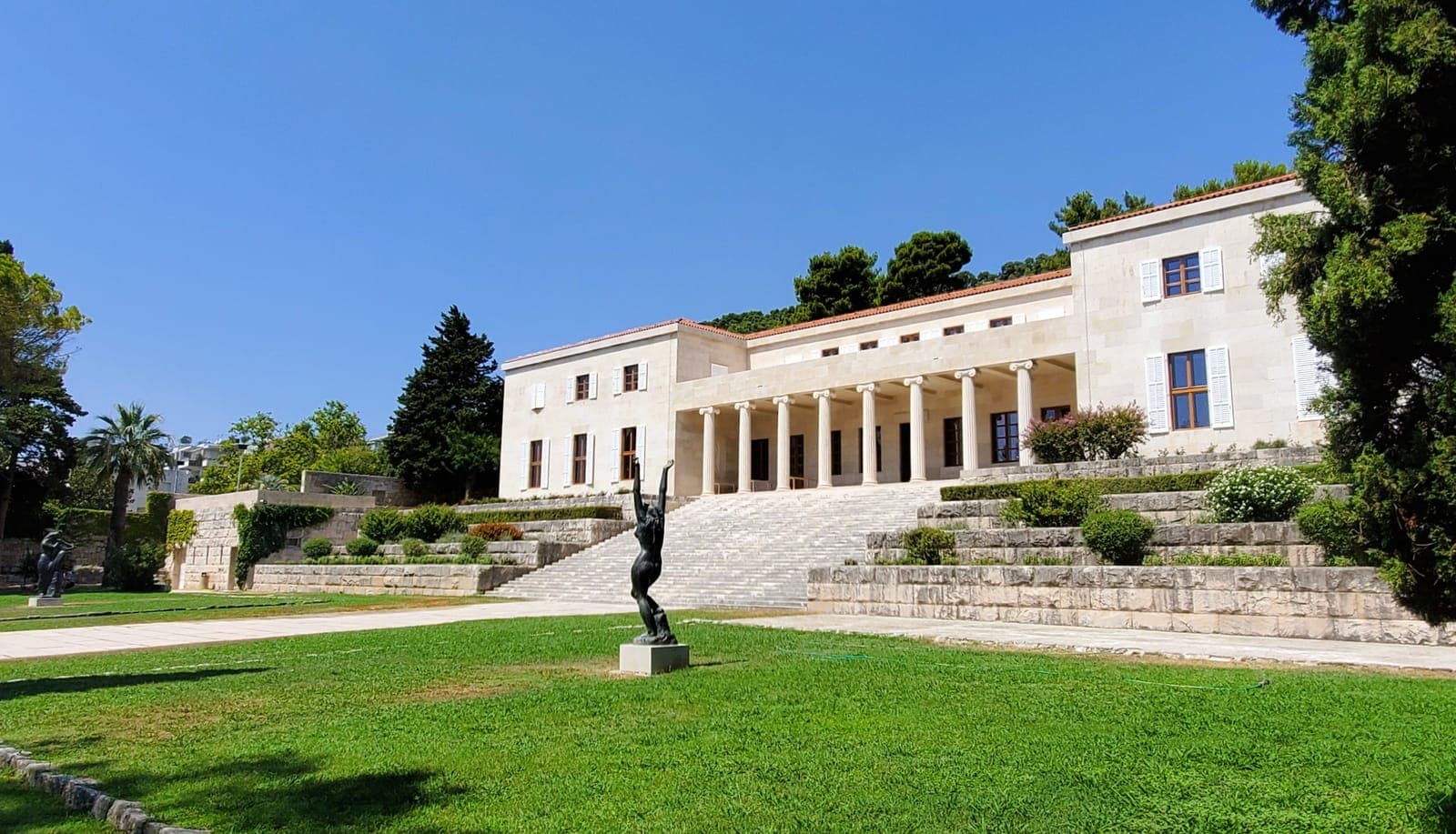
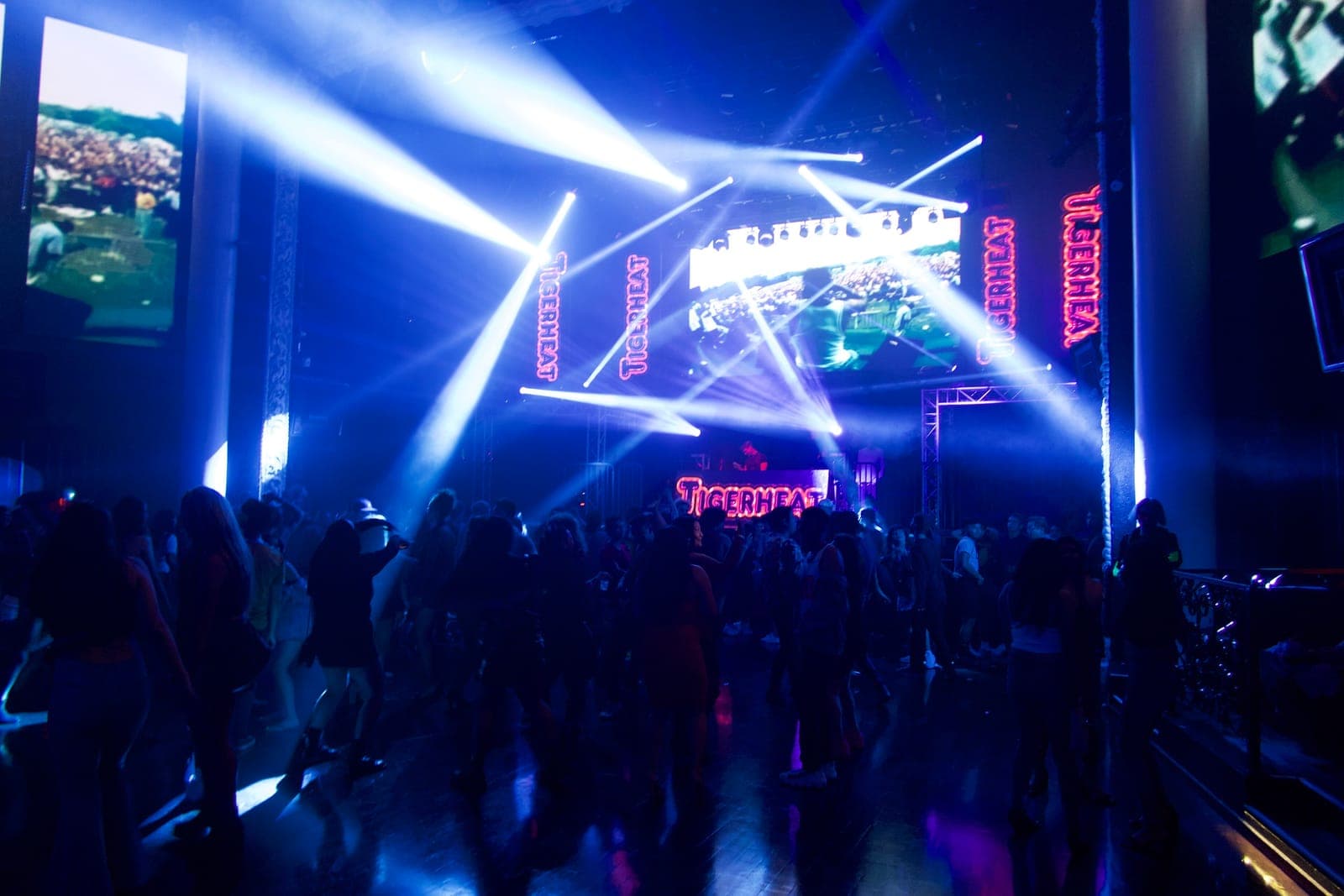
Vanilla is Split's big summer party venue, out by Poljud rather than in the old town, which makes it a destination for a planned night rather than a stop on a bar crawl. Go if you want a large room, a late finish and holiday energy; skip it if you came to find Split's own bars.
Vanilla sits out by Poljud, away from the stone lanes and the Riva, and that one fact decides everything about the evening. It is large-scale summer nightlife — a big room, a DJ, and a crowd that came to dance rather than to talk. Nobody wanders in by accident. You go because you decided over dinner that tonight was going to be a big one and you built the rest of the night around getting there. That is a different proposition from the palace bars, where half the pleasure is not knowing which courtyard you end up in.
Getting there, and when to arrive
Poljud is outside the historic centre, away from the Riva and the stone lanes, and that distance is the point rather than an inconvenience — you are either walking for a while or splitting a taxi, not stepping out of one courtyard bar into the next. The walk is pleasant going out and considerably less pleasant at the end of the night, so settle how you are getting home before you leave, while everyone can still hear each other. Timing matters more out here than anywhere else in the city. Split eats late and serious clubbing does not develop until around one — a venue that is open at half ten is not the same venue at half one. Turn up early and you will stand in a large space wondering what the fuss is about.
If you have not decided what sort of night you want yet, the nightlife overview sets out how the zones fit together and when each one is at its best.
Who it is not for
This is not where you go to experience Split. If your line is we want to find the good bars and see what the city is actually like, Vanilla is the wrong answer — it is a big holiday night out, and the Roman walls, the courtyards and the sea have nothing to do with it. It is also wrong for conversation, wrong for a first evening when you have not yet seen the Peristyle after dark, and wrong for a group that will not agree on when to leave, because leaving means a taxi rather than a two-minute walk uphill. And it is a summer proposition: out of season Split's night shrinks back inside the walls and becomes much more venue-dependent.
For the exact opposite evening — stone cellars, eight tables and no music you have to shout over — read the palace wine bars, which is where the good version of the night usually starts.
If you want the same energy without the trip out of town, the Bačvice beach clubs are the beach-side version of the same night.
It is worth it if you want one big, late summer night and you are happy to travel for it. It is a large-scale party venue rather than an intimate bar, so it suits holiday groups who came to dance. If you are here to discover Split itself, spend the evening in the palace instead.
How far is Vanilla from Split old town?
It is out by Poljud, roughly two kilometres north-west of the Riva — about twenty-five minutes on foot, or a short taxi. That distance is the whole point: it is a destination for a planned night, not somewhere you drift into on an Old Town bar crawl. Agree on how you are getting back before you set off.
What time do clubs get busy in Split?
Around one in the morning in summer, with the serious hours running from about 01:00 to 03:00. Dinner runs late here and the bars inside the palace hold the crowd until midnight or so. Arriving at half ten and deciding a club is dead is the mistake almost every first-time visitor makes.
The most Split thing you can do for ten euros. Poljud is a listed 1979 shell of a stadium, the Torcida have been going since 1950, and a mid-table league game on a Saturday night tells you more about this city than any walking tour will.
A thirteenth-century chapel on the Marjan staircase, halfway between Varoš and the ridge. Small, usually locked, and the terrace in front of it is the quietest good view in Split — most people walk straight past on the way to Vidilica.
A small konoba on a Varoš side street doing exactly four things well: grilled fish by the kilo, black risotto, octopus salad and house wine from a jug. No view, no English menu board outside, and a queue by eight in July.
The villa Ivan Meštrović built for himself on Marjan's south slope, now the best museum in Split. Sculpture inside, a garden of bronzes with a sea view outside, and the Kaštelet chapel with his wooden reliefs five minutes down the road.
A stone-walled konoba in an alley behind the Matejuška fishing harbour, doing straight Dalmatian seafood without a single flourish. Small, warm and consistently very good.
Bolted limestone routes on Marjan's south face, fifteen minutes from the old town, with the sea directly below. Guided beginner sessions run all year; the rock faces south so winter is often better than summer.
The nine-until-midnight part of a Split night, and the best of it. Small cellars and side rooms inside Diocletian's Palace pour Dalmatian wine by the glass with no music you have to shout over. Arrive before nine if you want a table, and leave around midnight when the lanes empty.
Where a Split night ends rather than starts. The row of clubs behind the sand fills from about midnight, runs to three or four in summer, and sits a ten-minute walk east of the Riva, so nobody needs a taxi home. Loud, young and pop-driven — arrive before one and it will feel empty.
The layer between the Riva and the clubs: small cocktail rooms, jazz corners, hostel bars and neighbourhood cafés that turn into bars after nine. This is where the local crowd drinks, it costs about a third less than the seafront, and it is the part of Split nightlife that still works in February.
Central is the closest thing Split has to a conventional big-room European nightclub, centrally placed and built for larger DJ nights. It does not get going until after midnight. Arrive at 22:30 and you will find a half-empty room and conclude the city is dead; come back at one and it is unrecognisable.
The hour before the Riva. A pine-shaded headland fifteen minutes west of the harbour, on the site of an old cemetery, where you sit on the wall with a bottle from the shop and watch the sun drop behind Čiovo. Free, no bar, no music — then walk back down for dinner.
Split's staging area, not its destination. The seafront cafés turn into bars after eight, and you are paying for the seat and the view of the palace wall going gold — a fair trade for one round while the group assembles, a poor one for a whole evening. Move inside the walls by half ten.
Split nightlife is not one club district but a progression through zones, and the hour matters more than the venue. Dinner, then the palace lanes, then the Riva, then a decision at half past midnight: Bačvice for the beach party, or a central club for the dance floor. Timing is what visitors get wrong.