Rain in Split is a November and December event, and the old town handles it well — covered stone lanes, the palace cellars, the Meštrović Gallery, an escape room and a lunch that lasts three hours. Nothing here needs sunshine.
It rains hard and briefly, mostly between November and March, and the lanes inside the palace are narrow enough to be half-covered. A wet day here is more pleasant than a wet day in most cities — but bring shoes with grip, because polished limestone is genuinely slippery and the stone steps in Varoš are worse.
The long lunch
The Dalmatian answer to rain is the same as the Dalmatian answer to sun, which is a long lunch. Fife does pašticada and paper tablecloths for €12–15, and the room is full of fishermen and locals who came in out of the wet. Follow it with the cellars and the gallery and you have a full day without going outside for more than ten minutes at a time.
Roofed, Roman and the best thing to do in bad weather.
The vaulted basement halls that held up the emperor's apartments, preserved because they were filled with rubbish for a thousand years. The best-surviving Roman substructure anywhere, ten degrees cooler than the street, and the one part of the palace that looks like a ruin.
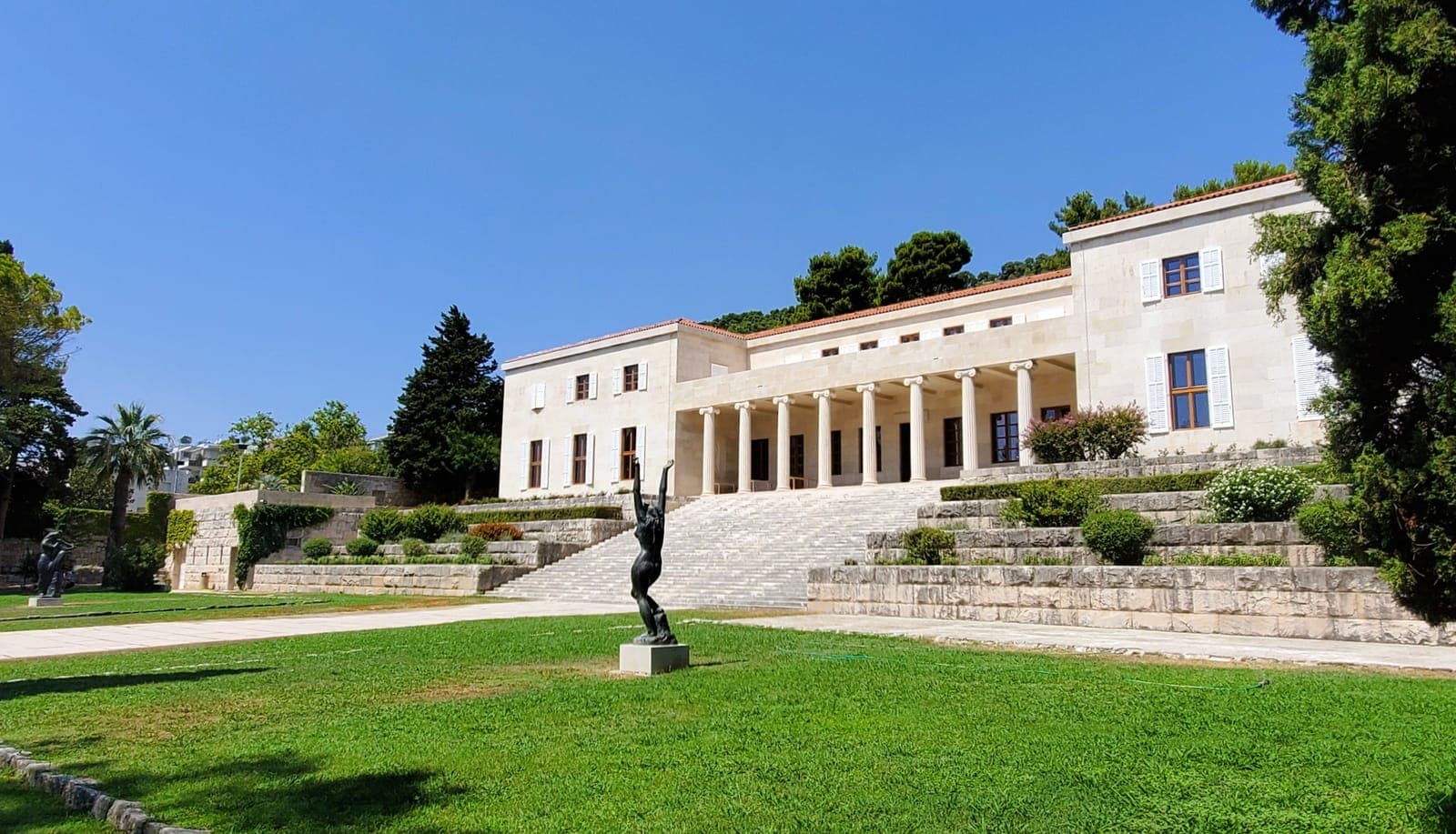
Split's best museum, and the garden still works under an umbrella.
The villa Ivan Meštrović built for himself on Marjan's south slope, now the best museum in Split. Sculpture inside, a garden of bronzes with a sea view outside, and the Kaštelet chapel with his wooden reliefs five minutes down the road.
An hour, priced per room, good for a group of teenagers.
A genuinely good rainy-day answer in a city with few of them. Several rooms in and around the old town run in English, take two to six players, and cost €60–80 for the room rather than per person.
In a palace cellar, which is exactly where you want to be.
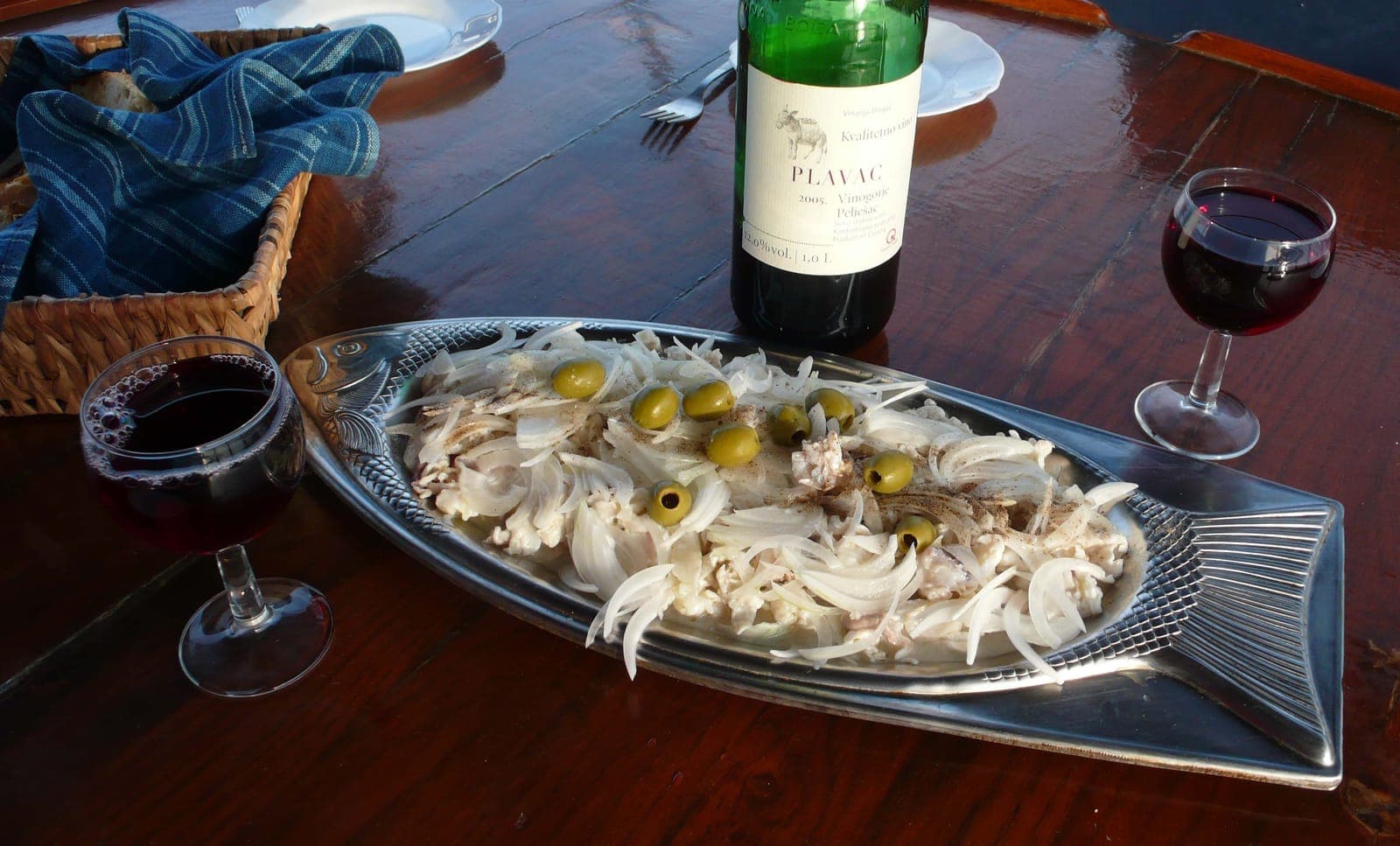
An hour and a half through Dalmatia's own grapes: plavac mali from Hvar and Pelješac, pošip and grk from Korčula, and the debit and maraština nobody exports. Most tastings run in palace cellars, which is a good place to be at three in the afternoon.
A working-class canteen on the west harbour, serving big plates of home cooking at prices from another decade. Brusque service, paper tablecloths, fishermen at the next table. Not for a special evening; perfect for a large cheap lunch.
Four or five hours that start at the green market and the fish hall and end with you eating what you bought. The good ones shop first, which is the half that teaches you something: how to tell this morning's fish from yesterday's, and what is actually in season.
The layer between the Riva and the clubs: small cocktail rooms, jazz corners, hostel bars and neighbourhood cafés that turn into bars after nine. This is where the local crowd drinks, it costs about a third less than the seafront, and it is the part of Split nightlife that still works in February.
The palace cellars, the Meštrović Gallery, the Archaeological Museum, a wine tasting in a cellar bar, an escape room, and a long lunch. The covered lanes of the old town make walking in rain manageable.
When does it rain in Split?
Mostly November and December, and usually hard and briefly rather than all day. The old town lanes are narrow and half-covered, so walking in rain is more pleasant than in most cities — but polished limestone is slippery, so bring shoes with grip.
Get out there
Tours that go here
Guided trips that include this stop, with live availability.
A full day on a fast twelve-seat boat: the Blue Cave on Biševo, the Monk Seal cave, Stiniva's famous cove, lunch on Vis and a swim off Budikovac's turquoise lagoon, finishing with a stop at Hvar town. Ten and a half hours, small group, no coach transfer.
Ninety minutes through the palace with a guide who lives inside it: the Golden Gate, the cellars, the Peristyle, the cathedral and the streets in between. Small group, no flag, and a proper explanation of why a Roman emperor retired to a cabbage patch in Dalmatia.
Five hours to Šolta and back on a ten-person boat: three swim stops in coves you cannot reach by road, an hour in Maslinica for dinner or a drink, and the run home across the channel as the sun goes down behind the island.