From sea kayaking under Marjan to a konoba dinner in Varoš, these are the activities we would actually spend our own money on — with real prices, honest durations and where to book.
Ninety minutes through the palace with a guide who lives inside it: the Golden Gate, the cellars, the Peristyle, the cathedral and the streets in between. Small group, no flag, and a proper explanation of why a Roman emperor retired to a cabbage patch in Dalmatia.
Two hours on a board lit from underneath, pushing off Stobreč as the sun goes and paddling into the river mouth in the dark. The LEDs light the bottom through three metres of water, which is the whole point: you can see what is down there.
Five hours to Šolta and back on a ten-person boat: three swim stops in coves you cannot reach by road, an hour in Maslinica for dinner or a drink, and the run home across the channel as the sun goes down behind the island.
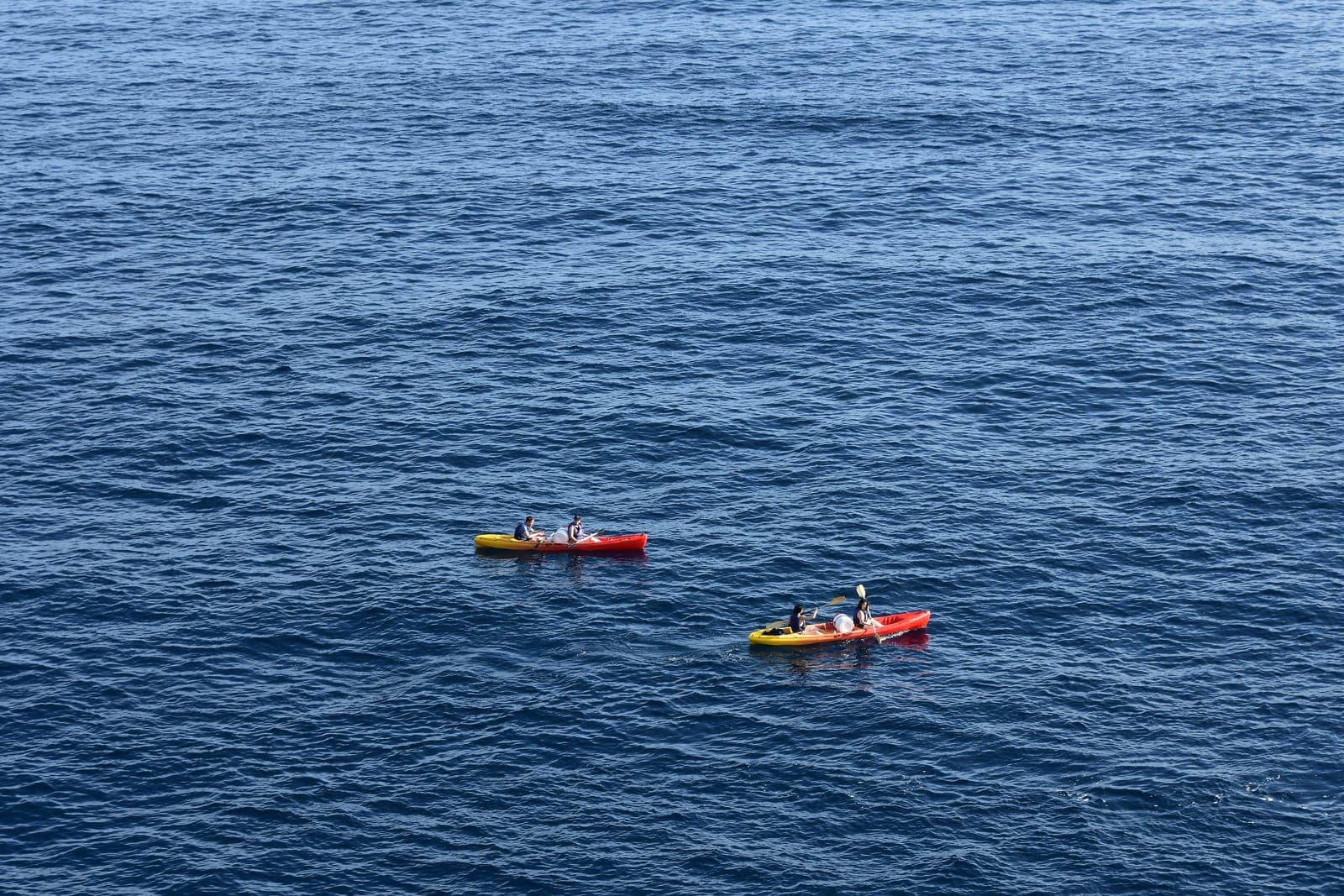
Three hours paddling the cliffs and hidden coves along Marjan's south shore, with two swim stops and a cave you can only reach by water. The best way to see Split from the side it was built to face, and easy enough for a complete beginner.
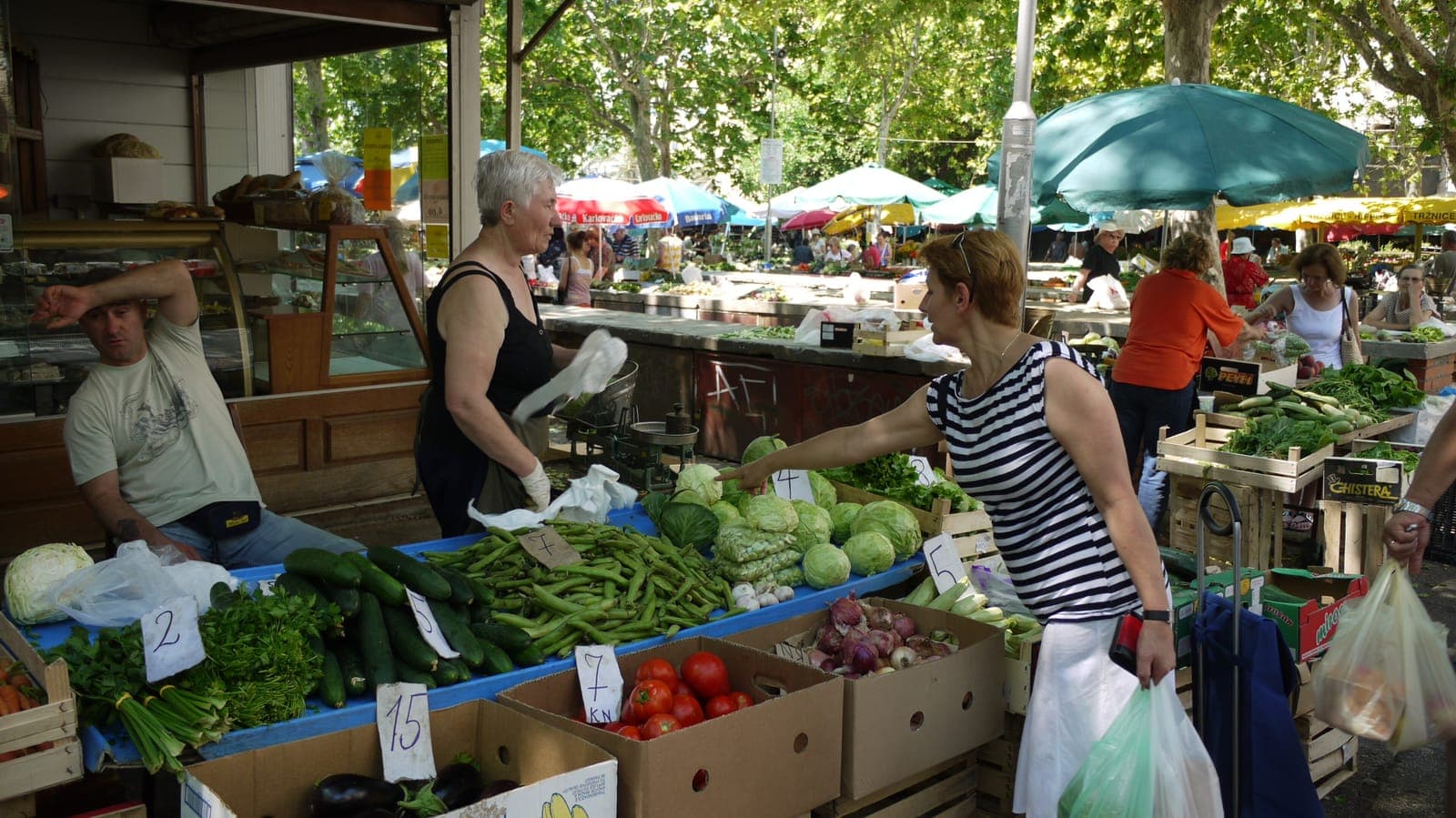
Three and a half hours through the green market, the fish market and four family-run places inside the palace, eating soparnik, pršut, Pag cheese, fresh anchovies and rožata. Enough food to replace lunch, with the context that makes Dalmatian cooking make sense.
The most Split thing you can do for ten euros. Poljud is a listed 1979 shell of a stadium, the Torcida have been going since 1950, and a mid-table league game on a Saturday night tells you more about this city than any walking tour will.
An hour and a half up the marked path from Strožanac to the chapel of St George, topping out around 441 metres with Split, Kozjak, Mosor and the islands all in view. It is free, it starts at a supermarket, and locals walk it before work.
Around eleven kilometres of the Cetina through its canyon below Omiš, on grade II–III water in summer. Three to four hours on the river, most of it drifting between short rapids, with swimming stops and a cliff to jump off if you want one.
The south side of Marjan drops straight into clear water over rock rather than sand, which is exactly what you want and exactly what the city beaches are not. Bring a mask, walk in off the stones at Kašjuni or Bene, and it costs nothing.
A skippered yacht for the day, out to Šolta or Brač and back on the afternoon wind. Slower than the fast boats, quieter than all of them, and the only way to see this coast the way it has always actually been travelled.
Ninety minutes through the palace with someone who can explain what you are looking at. Worth it on your first morning: the palace makes far more sense with a guide, and everything you do afterwards is better for it.
Eight steel wires strung across the Cetina canyon about three kilometres from Omiš, 2,100 metres of cable in total. The longest single run is 700 metres, 150 metres above the canyon floor, and takes well under a minute.
Walking, swimming and abseiling down the Cetina where the canyon narrows above Omiš. The extreme version drops you 53 metres beside the Velika Gubavica waterfall and 25 metres again near the canyon exit; the ordinary one keeps its feet closer to the water.
Wrecks, walls and caves within an hour of the city, on water that is warm from June to October and clear most of the year. A try dive needs no experience and no certificate; a certified single dive is the cheapest way to get wet if you already have a card.
Two hours out of the city harbour towards Čiovo and back as the light goes, with a drink in your hand and Split's waterfront lit from the water. The single easiest good decision on a first evening in the city.
Four or five hours that start at the green market and the fish hall and end with you eating what you bought. The good ones shop first, which is the half that teaches you something: how to tell this morning's fish from yesterday's, and what is actually in season.
Half a day on the gravel tracks behind Podstrana and up towards Mravince and Kozjak, on roads that carry almost no traffic. The reason to go is the view: Split, Kaštela Bay and the islands laid out below you from a ridge most visitors never reach.
Split's own barefoot ball game, invented at Bačvice in 1908 and played in ankle-deep water with no points and no winner. Free, faintly ridiculous, and the single most Split thing you can do. Locals will let you join if you ask.
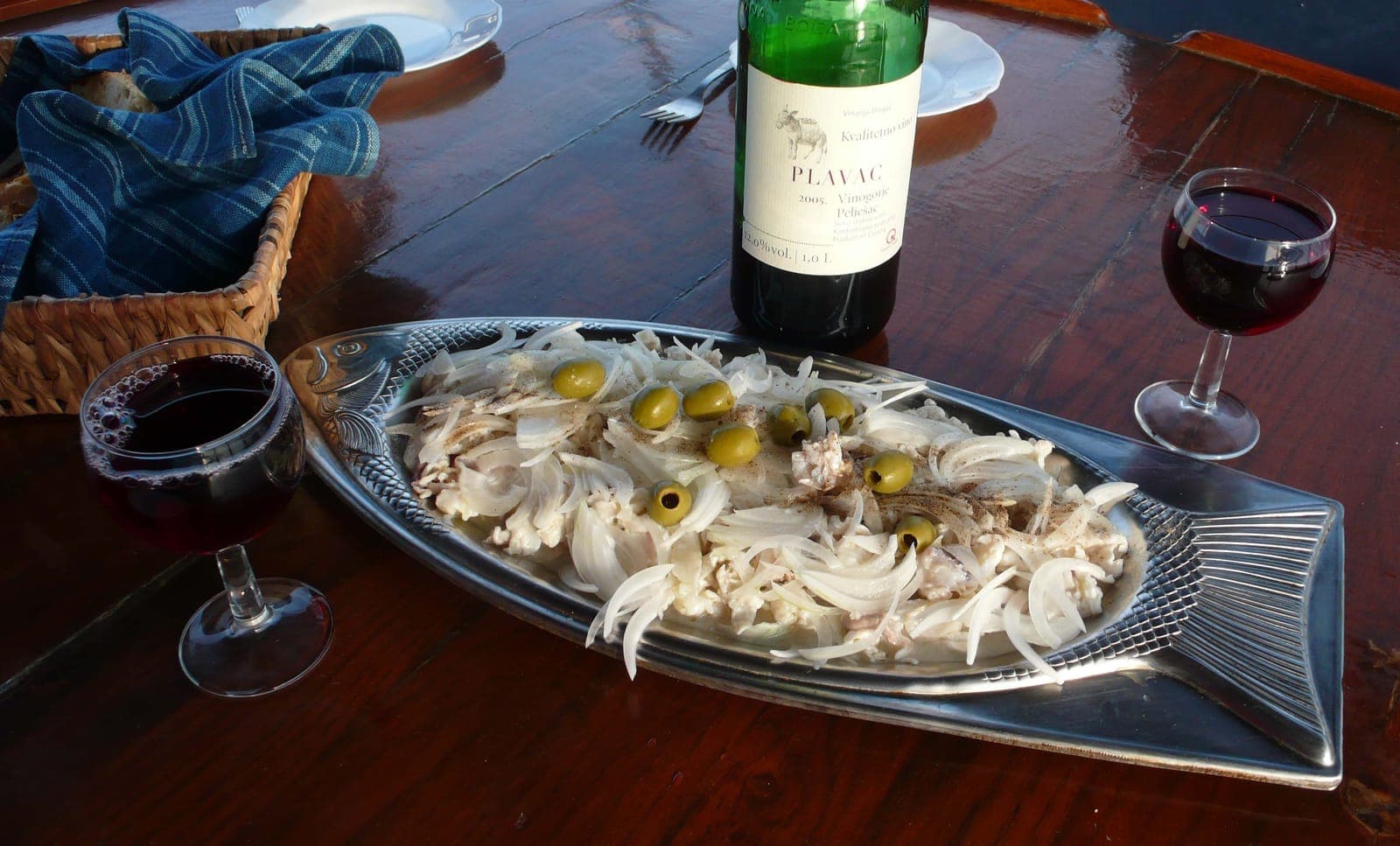
An hour and a half through Dalmatia's own grapes: plavac mali from Hvar and Pelješac, pošip and grk from Korčula, and the debit and maraština nobody exports. Most tastings run in palace cellars, which is a good place to be at three in the afternoon.
Croatian law lets anyone drive a boat under 5 kW without a licence, which is enough to potter round a bay at walking pace and reach coves the buses do not. Around €57 a day out of season and €88 in August, and nobody will ask you anything except for a deposit.
Three hours that get you round the palace, up Marjan and out along the coast without the climb. The electric assist is not laziness — it is the difference between seeing the top of the hill and reading about it.
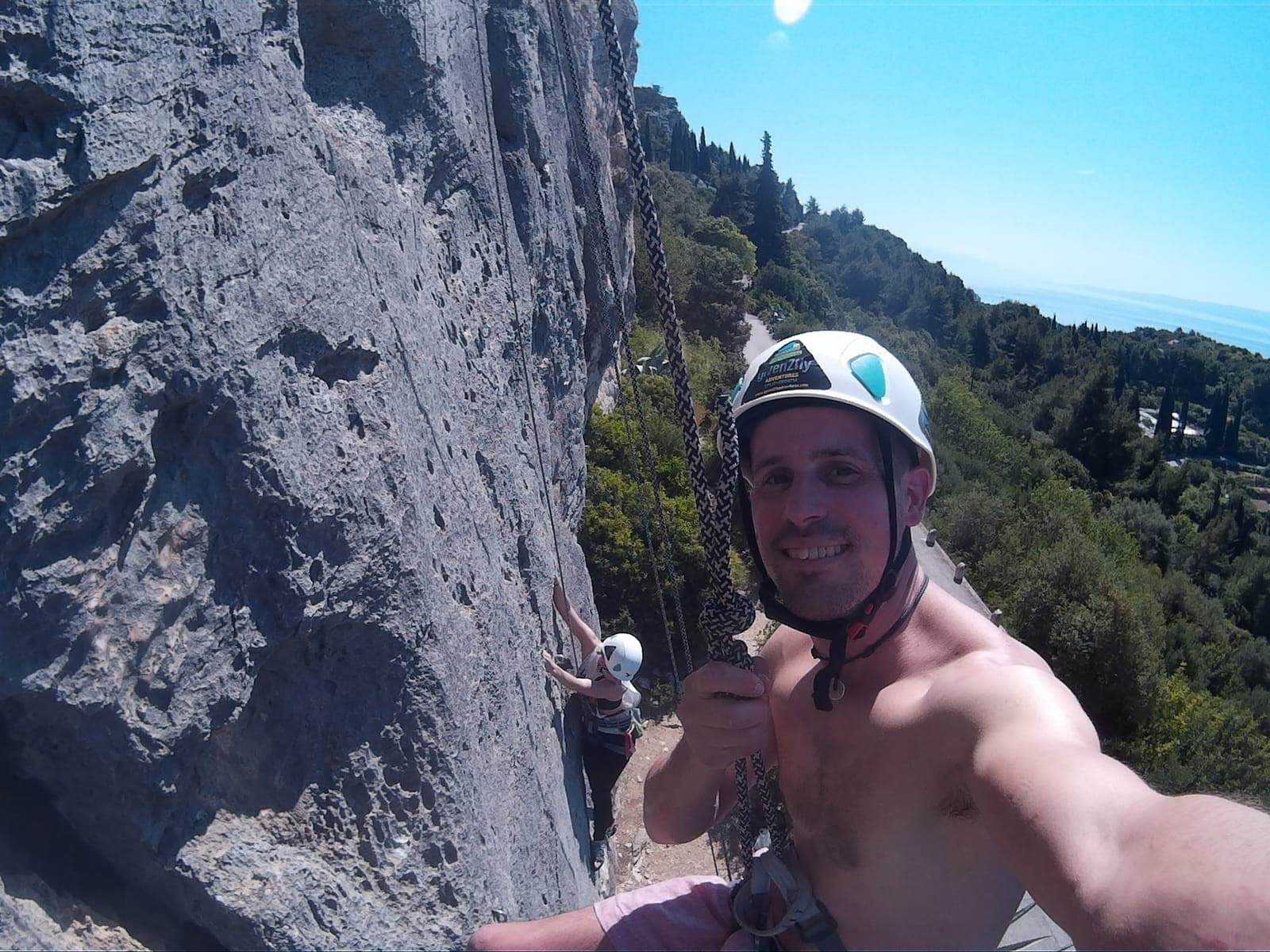
Bolted limestone routes on Marjan's south face, fifteen minutes from the old town, with the sea directly below. Guided beginner sessions run all year; the rock faces south so winter is often better than summer.
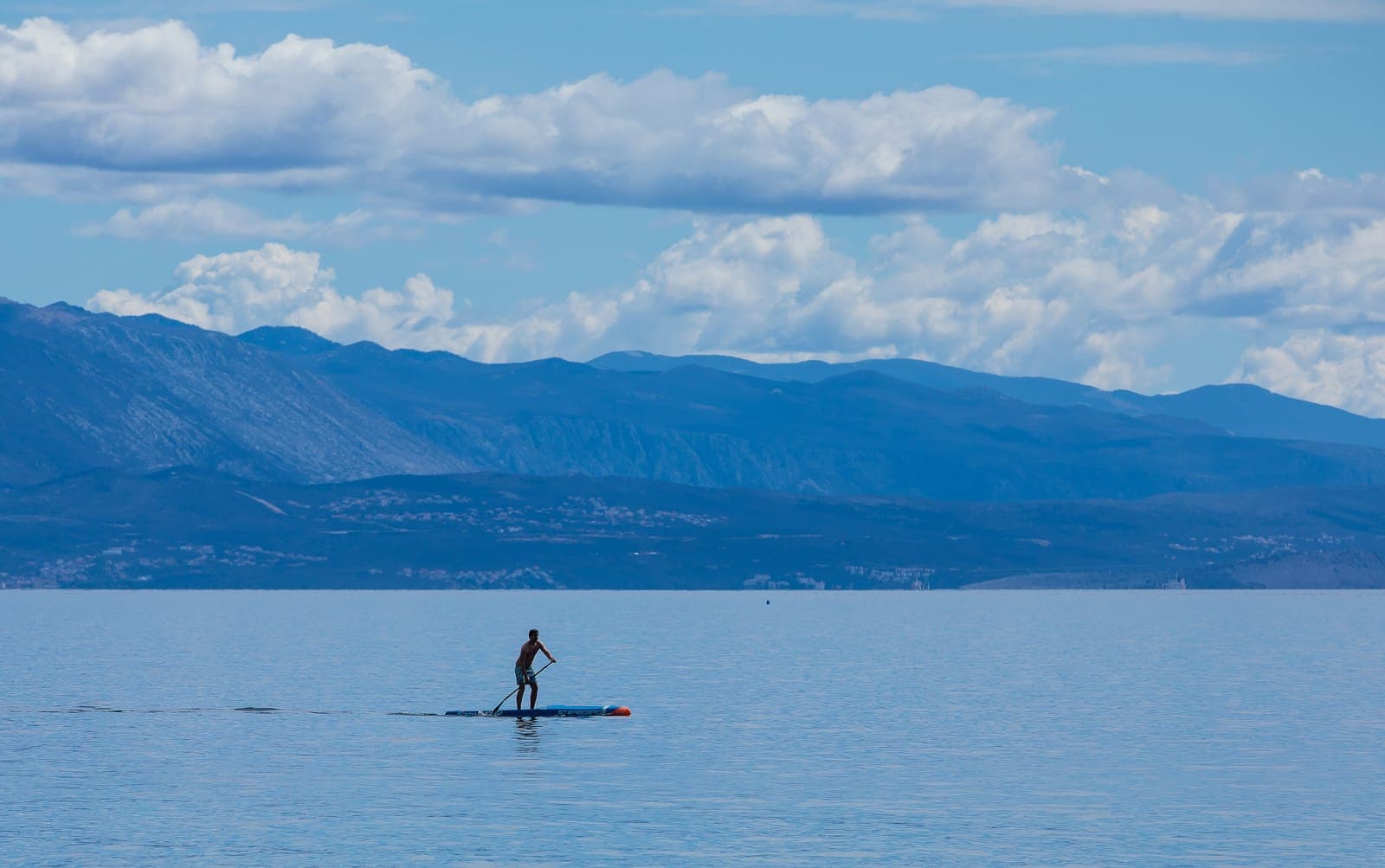
Board hire from Kašjuni and Bene for about €15 an hour, or a guided paddle along the Marjan cliffs. Flat water most mornings and a shoreline with no boat traffic close in — one of the easier places to learn.
The noisy end of the Split waterfront, and the only place near the city with the full concession: parasail, jet ski, banana, tube, pedalo. Nobody will pretend it is authentic. It is, however, exactly what a bored eleven-year-old wants at four in the afternoon.