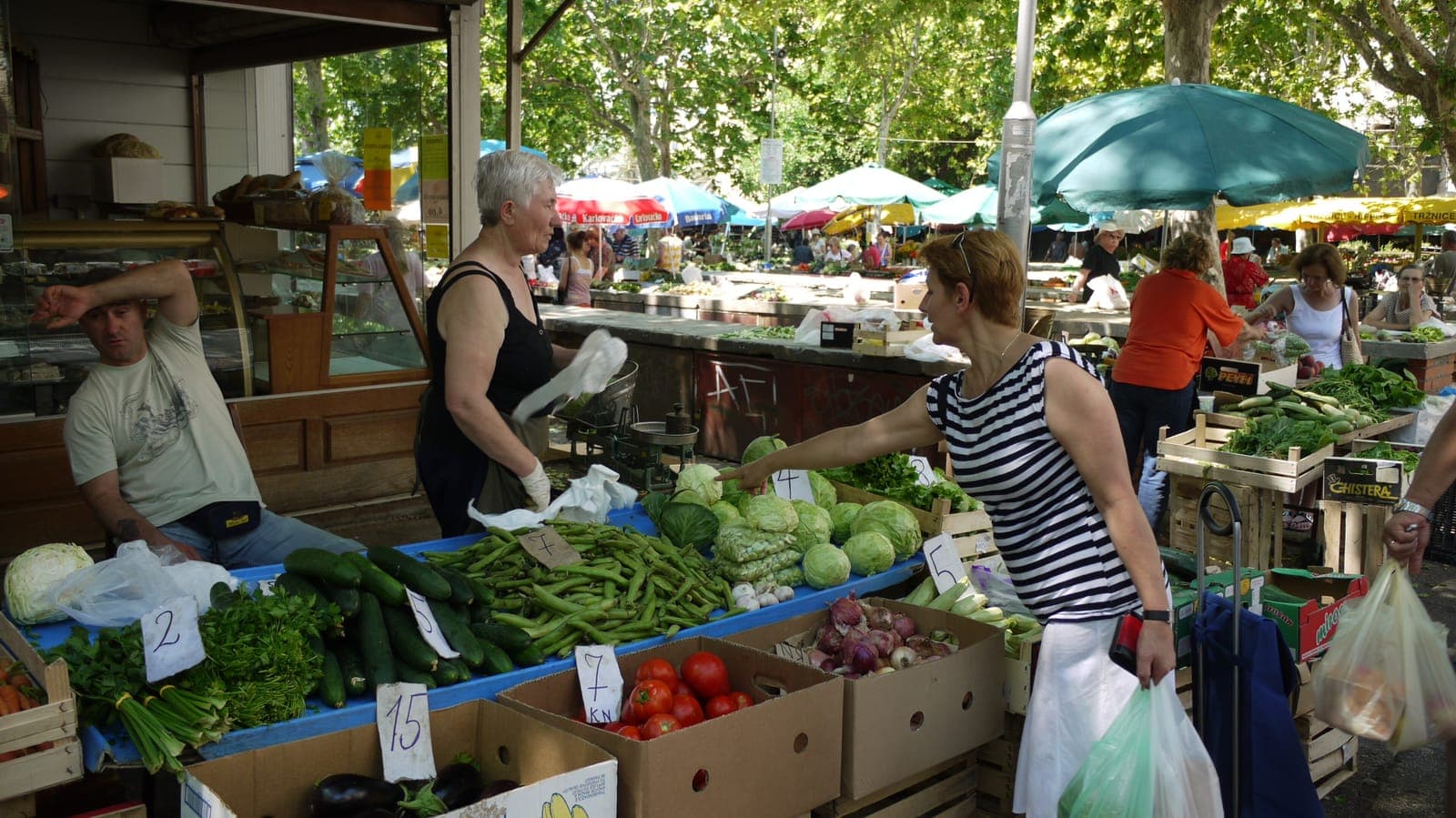
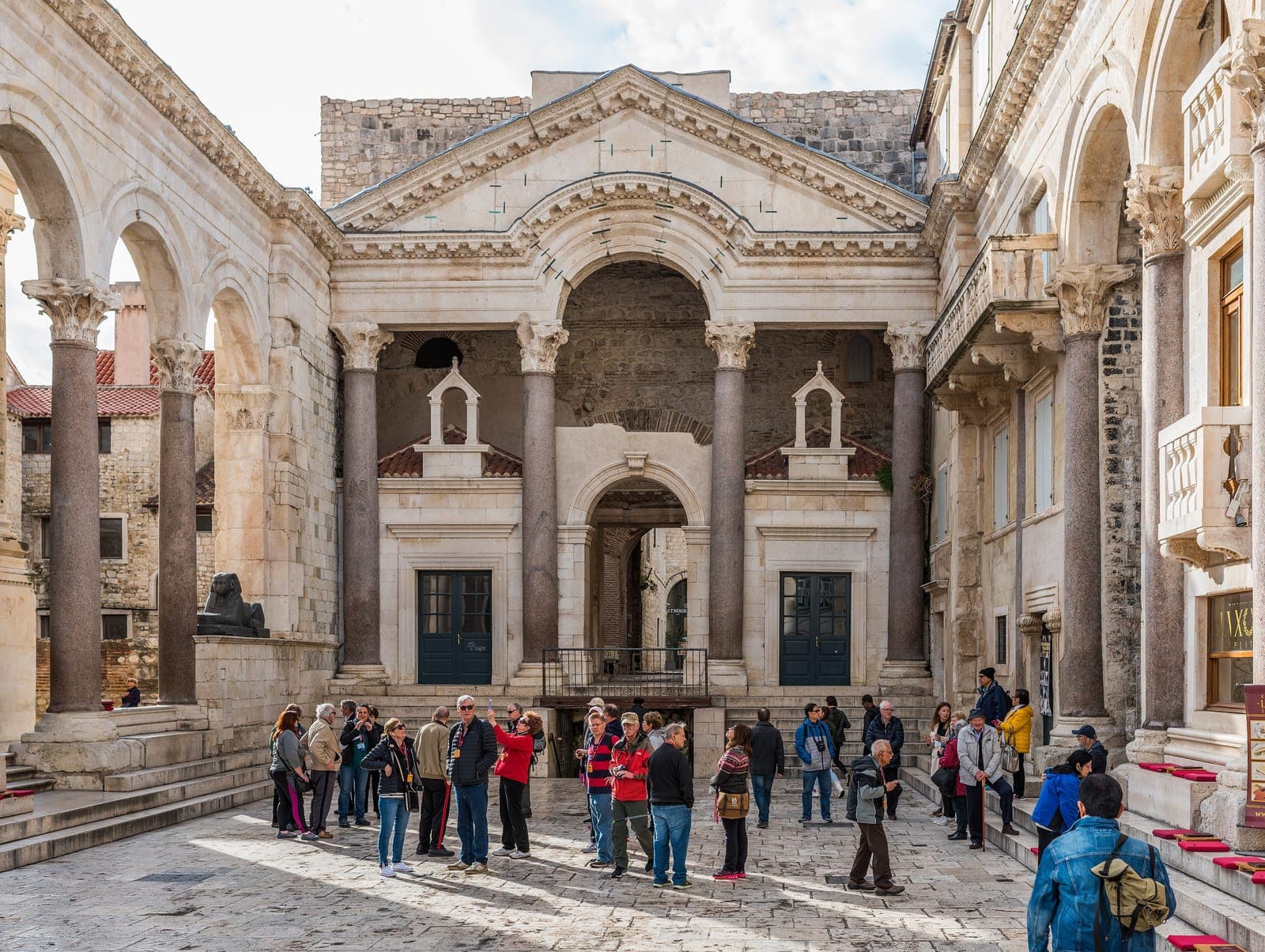
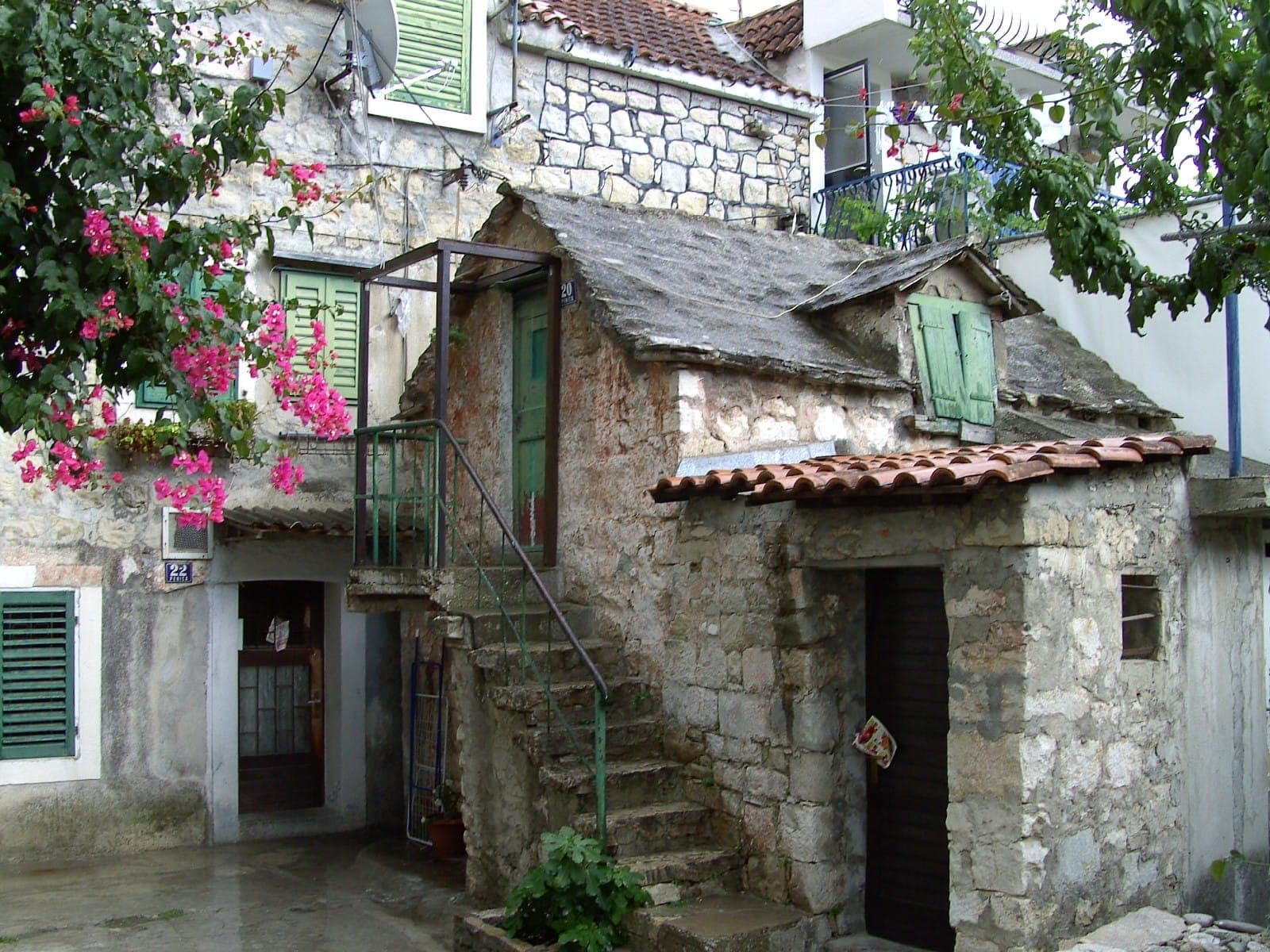
The open-air produce market against the palace's eastern wall, running every morning since forever. Figs, tomatoes, olive oil, cheese from Pag, and old women who will tell you your peaches are not ripe yet. Free to walk through, best before nine.
Figs and grapes in late summer, mandarins from the Neretva valley in autumn, olive oil in unlabelled bottles from whoever has a stall of them. Lavender bunches, dried figs, honey from the hills, cheese from Pag — the salted one, not the soft one — and tomatoes that taste of something, which is the thing you cannot get at home. The fish market (Peškarija) is a separate building three minutes west on Kraj Sv. Marije and has no flies, thanks to sulphur springs next door — a genuine local curiosity, and a good one.
A cooking class starts here too, and ends with you cooking what you bought.
When to go
Before nine. The market opens at half six and winds down by one; by ten the best produce has gone and by noon the stalls are packing up. Sunday morning is the biggest and the best, and the one where you will hear the most Croatian. Saturday is busier with visitors. Monday is the quietest, and a few stalls do not open at all.
Practical
Open roughly 06:30 to 14:00, busiest and best between 07:00 and 09:00. Cash is easier than card, though most stalls take cards now. Prices are marked per kilo; nobody haggles and you should not either — the price is the price, and the women running the stalls know exactly what a fig is worth. Bring a bag, because they charge for plastic and it is the right thing to do anyway.
Go before nine, buy something, and eat it on the way. The market is where Split does its shopping, not a show put on for visitors, and the way to use it is to use it. Buy a kilo of figs, a bunch of grapes, a paper cone of olives, and a piece of cheese from Pag, and you have breakfast and lunch for under €10. The women running the stalls know what is good and they will tell you — point, ask, and take what they offer. Do not haggle; the price is the price, and haggling at a market where the growers are selling their own produce is rude.
Bring a bag, because they charge for plastic and it is the right thing to do anyway. Bring cash, because the card readers work but the signal is slow and the queue behind you is not. Buy the oil in the unlabelled bottles from whoever has a stall of them — it is the year's pressing, from the hills above Split, and it is better than anything in a bottle with a label on it. Take it home if you can; it does not keep for more than a year, which is why you cannot buy it anywhere else.
The fish market, the Peškarija, is a separate building three minutes west, and it is where you go if you want to see what came off the boats that morning. It has no flies, thanks to sulphur springs next to the building, which is a genuine local curiosity. Go at seven, when the boats come in, and you will see the auction — it is not a show, it is the fish market, and it is how Split eats.
From about 06:30 in the morning until early afternoon, seven days a week. Go before 09:00 for the best produce and the smallest crowd. Sunday morning is the biggest market of the week.
Where is the fish market in Split?
The Peškarija is a separate building three minutes west of the green market, on Kraj Sv. Marije. It has no flies, thanks to sulphur springs next to the building, which is a genuine local curiosity.
Get out there
Tours that go here
Guided trips that include this stop, with live availability.
Ninety minutes through the palace with a guide who lives inside it: the Golden Gate, the cellars, the Peristyle, the cathedral and the streets in between. Small group, no flag, and a proper explanation of why a Roman emperor retired to a cabbage patch in Dalmatia.
Three and a half hours through the green market, the fish market and four family-run places inside the palace, eating soparnik, pršut, Pag cheese, fresh anchovies and rožata. Enough food to replace lunch, with the context that makes Dalmatian cooking make sense.
An hour and a half through Dalmatia's own grapes: plavac mali from Hvar and Pelješac, pošip and grk from Korčula, and the debit and maraština nobody exports. Most tastings run in palace cellars, which is a good place to be at three in the afternoon.
A genuinely good rainy-day answer in a city with few of them. Several rooms in and around the old town run in English, take two to six players, and cost €60–80 for the room rather than per person.
An eight-metre Meštrović bronze just outside the Golden Gate, of the bishop who fought to keep the liturgy in Croatian. Everyone rubs his big toe for luck, which is why it is the only polished part of him. Free, and takes five minutes.
The oldest cathedral building in the world still in use, and it started life as the mausoleum of the emperor who persecuted the man it is now named after. The bell tower beside it gives you the best view in Split for the price of 183 steps.
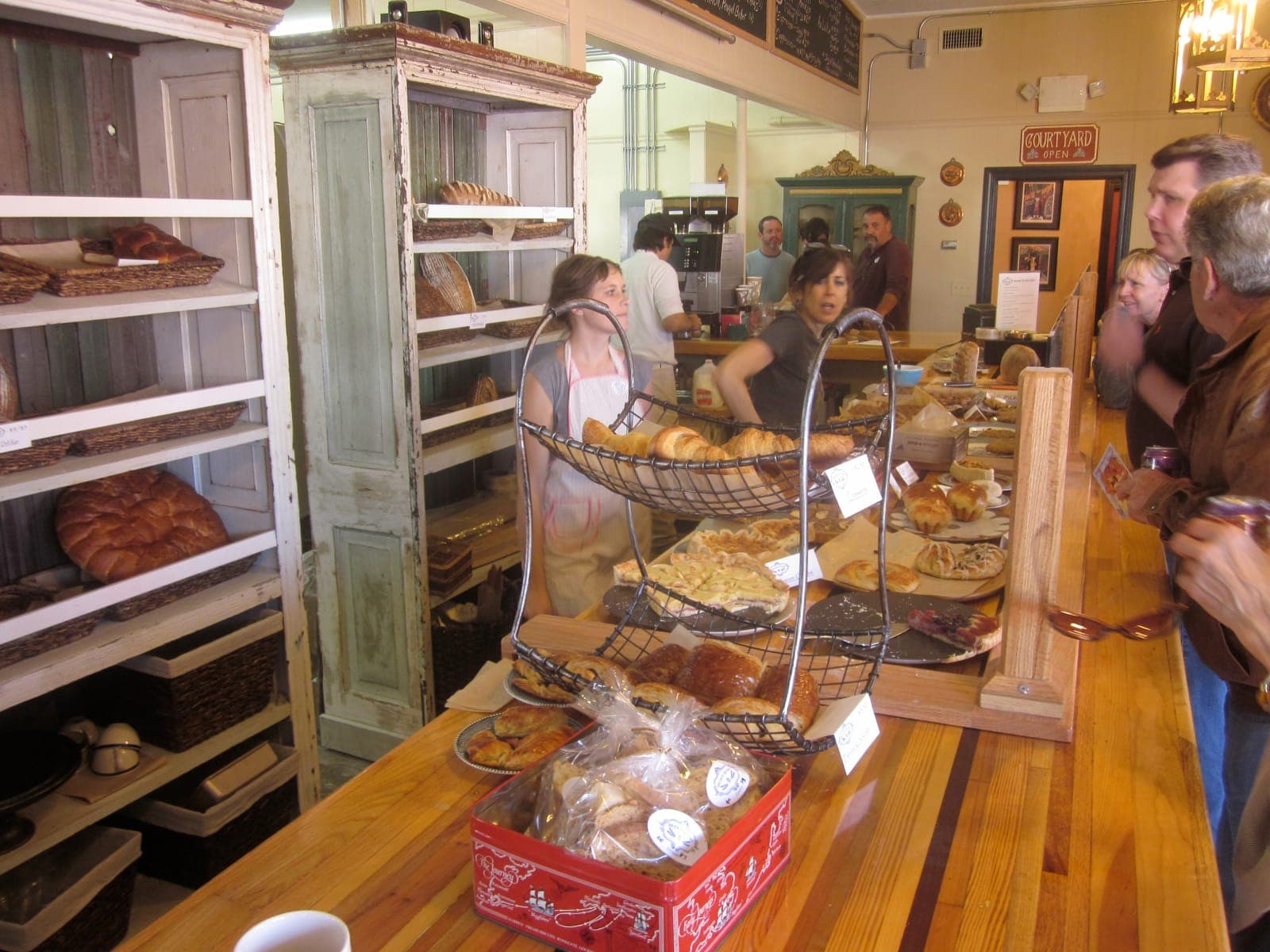
A tiny sourdough bakery near the Golden Gate that sells out by early afternoon. Proper bread, burek, and the best breakfast pastry in Split for under three euros.
Diocletian's Palace is free: its lanes, the Peristyle, the domed Vestibule and the central passage through the cellars are open at all hours with no gate. You pay only for interiors — the side halls of the cellars (€10 for adults as of October 2026) and the cathedral, bell tower, crypt, treasury and Temple of Jupiter, ticketed separately. Built around AD 305, it is still full of homes, bars and shops.
Twelve seats at a counter, a blackboard that changes daily, and cooking that is better than places charging three times as much. No reservations, no table service, and a queue outside from seven. Worth the wait.
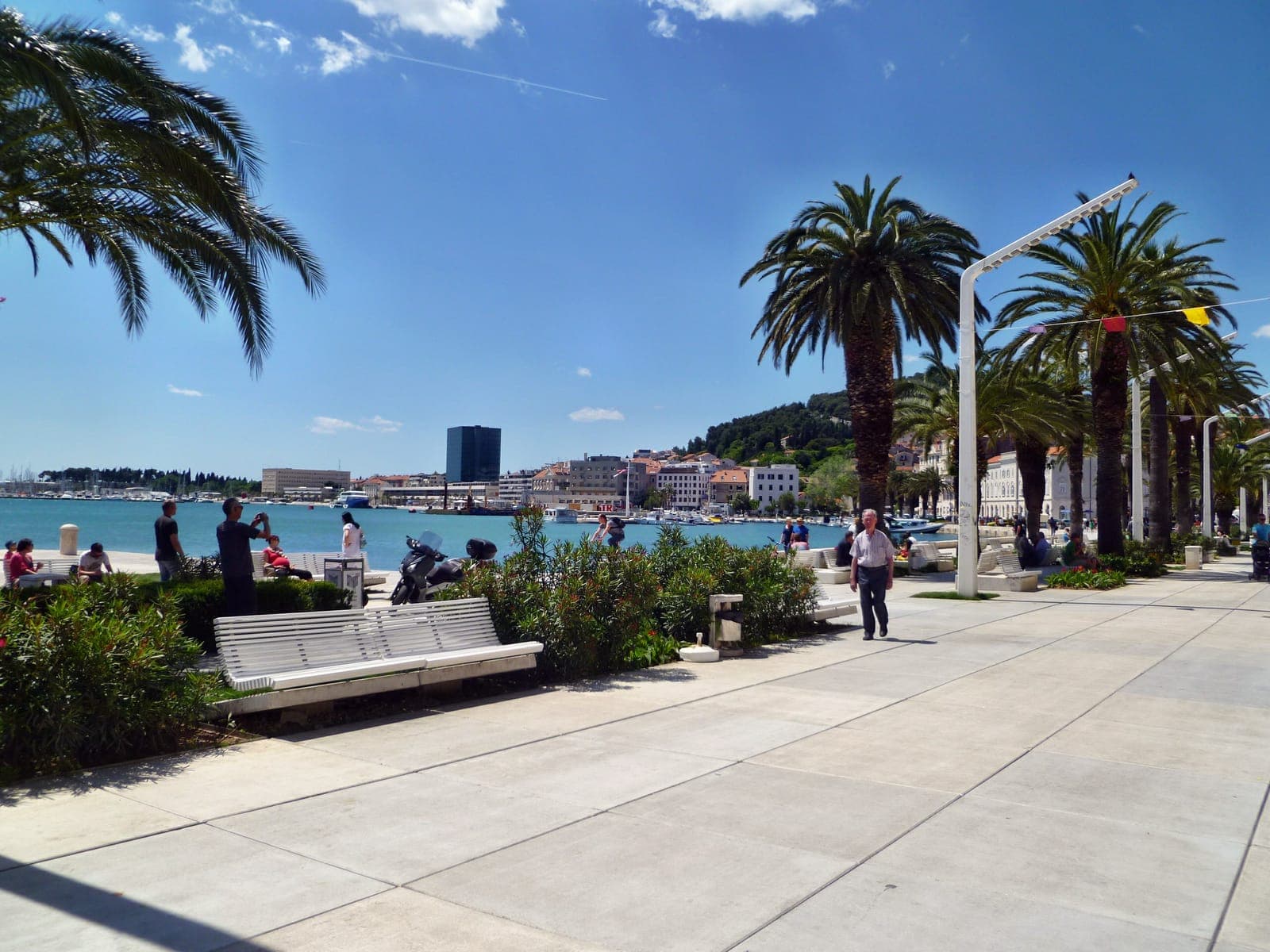
Split's palm-lined seafront promenade, and the city's actual living room. Locals walk it at seven every evening, coffee lasts an hour, and nobody is in a hurry. Free, always open, and the correct place to watch the light go orange on the palace wall.
A small konoba on a Varoš side street doing exactly four things well: grilled fish by the kilo, black risotto, octopus salad and house wine from a jug. No view, no English menu board outside, and a queue by eight in July.
The most Split thing you can do for ten euros. Poljud is a listed 1979 shell of a stadium, the Torcida have been going since 1950, and a mid-table league game on a Saturday night tells you more about this city than any walking tour will.
The colonnaded courtyard at the centre of Diocletian's Palace, where the emperor appeared to his subjects and where Split now drinks wine on the steps. Free, roofless, and the best-preserved Roman square you can sit down in.
Inside the palace for atmosphere and noise, Varoš for stone lanes and quiet, Bačvice for the beach and the nightlife, Meje for calm and views, Žnjan for space and value. Split is small enough that none of them is a bad choice — they are just different holidays.
Yes, for two to five days, and most of all in June or September. Split is a Roman palace that people still live in, with beaches in town and the islands an hour away by boat. It is not worth it for a party-free week in mid-August, or for anyone who wants sand and silence.
Base yourself in Split if you want islands, day trips, beaches and a city that is still a city. Choose Dubrovnik for two or three nights of the most complete walled town on the Adriatic. For a week, Split; for a long weekend, either; with ten days, both — four to five hours apart.