
Food & drink
Konoba Matejuška
A stone-walled konoba in an alley behind the Matejuška fishing harbour, doing straight Dalmatian seafood without a single flourish. Small, warm and consistently very good.
167 m away
A small konoba on a Varoš side street doing exactly four things well: grilled fish by the kilo, black risotto, octopus salad and house wine from a jug. No view, no English menu board outside, and a queue by eight in July.
By Ana Kovač

This is the one we book first when friends visit. Ask what came in that morning rather than reading the menu, take the smaller fish over the large one, and finish with rakija whether you want it or not — it arrives regardless.
Whatever is on the ice by the door, grilled whole, priced by the kilo. Ask the owner what came in that morning and take the smaller fish over the large one — it grills better and costs less.
Crni rižot — squid ink risotto, done properly here, which means black all the way through and rich with cuttlefish stock.
Octopus salad with capers, olive oil and parsley. The octopus is tender, which is the test.
Blitva — chard and potato with olive oil and garlic. Every Dalmatian meal has it, and the one here is the reference standard.
House wine from the jug, red or white. It is local, cheap, and better than most of the bottled options on the list.
For the same straight Dalmatian fish behind the fishing harbour, try Konoba Matejuška.
Around €25–35 a head with wine. Book a day ahead in July and August; there are eleven tables and no website, so call or walk past in the morning to book for the evening. Closed Sundays. The queue starts at eight and the wait is usually twenty minutes if you have not booked, which is a gamble that sometimes pays off.
It is in Varoš, the old fishermen's quarter below Marjan.
Walk past in the morning and book for the evening, which is what the locals do, because there is no website and no one answers the phone reliably. When you arrive, sit where they put you — the tables by the kitchen are better than the ones by the door, because the door is where the queue stands and watches you eat. Order by asking, not by reading: the owner will walk you to the ice by the door, show you what came in, and tell you what it costs per kilo. Take the smaller fish, because it grills better, and because the large one is for the people who do not know to take the small one.
Do not order a starter, a main and a pudding — that is not how a konoba works. Order a fish soup to share, a fish to share, blitva, a salad, and a litre of house wine. Then rakija, which arrives whether you ordered it or not, because it is how a Dalmatian meal ends. Pay cash if you can — the card machine works, but cash is faster and the owner prefers it.
If the queue is too long, Fife is at the bottom of the hill on the harbour.
Within a short walk.
Food & drink
A stone-walled konoba in an alley behind the Matejuška fishing harbour, doing straight Dalmatian seafood without a single flourish. Small, warm and consistently very good.

Boat trips
A full day on a fast twelve-seat boat: the Blue Cave on Biševo, the Monk Seal cave, Stiniva's famous cove, lunch on Vis and a swim off Budikovac's turquoise lagoon, finishing with a stop at Hvar town. Ten and a half hours, small group, no coach transfer.

Boat trips
Five hours to Šolta and back on a ten-person boat: three swim stops in coves you cannot reach by road, an hour in Maslinica for dinner or a drink, and the run home across the channel as the sun goes down behind the island.

History
A thirteenth-century chapel on the Marjan staircase, halfway between Varoš and the ridge. Small, usually locked, and the terrace in front of it is the quietest good view in Split — most people walk straight past on the way to Vidilica.

Nightlife
Vanilla is Split's big summer party venue, out by Poljud rather than in the old town, which makes it a destination for a planned night rather than a stop on a bar crawl. Go if you want a large room, a late finish and holiday energy; skip it if you came to find Split's own bars.
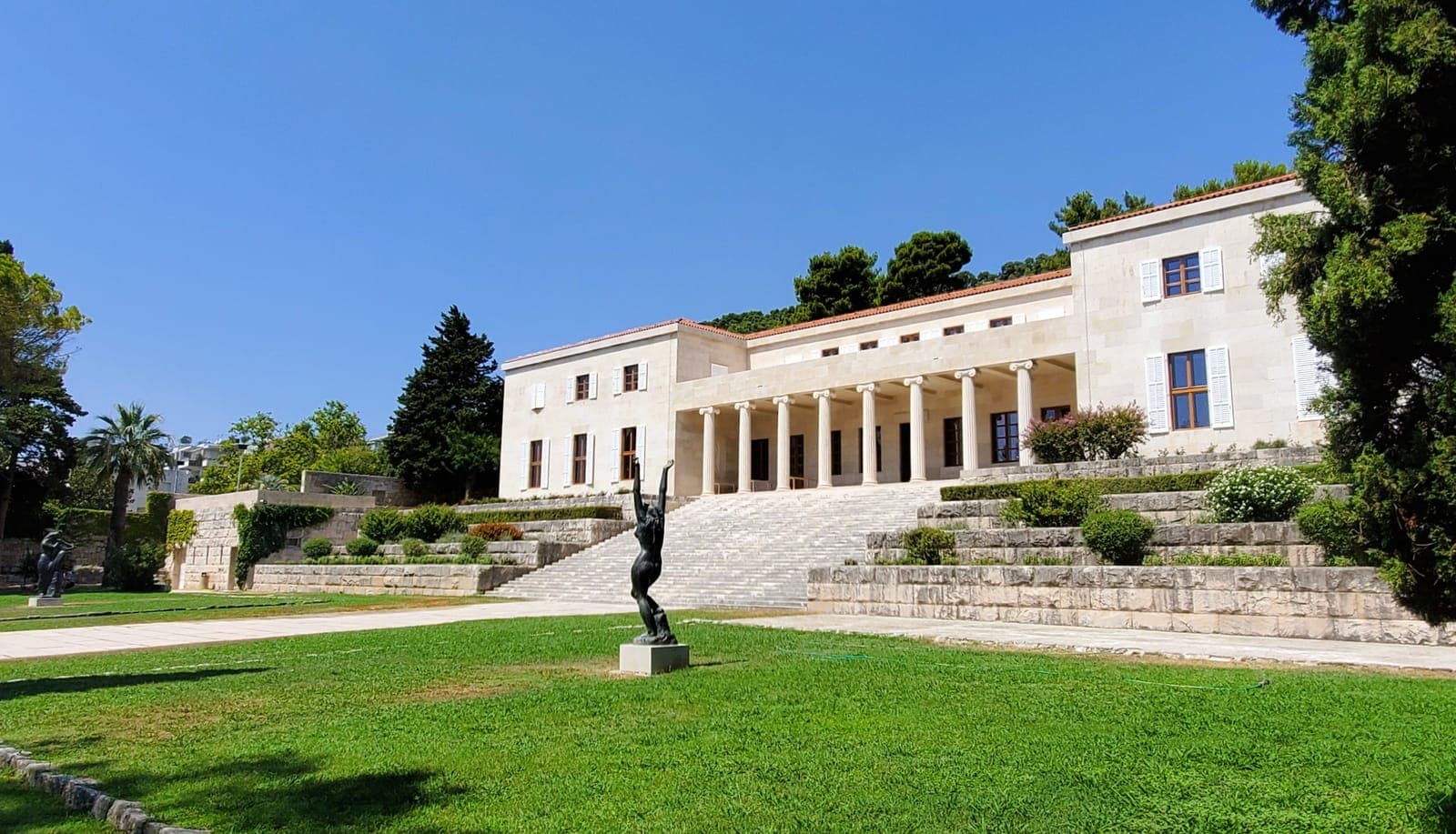
Culture
The villa Ivan Meštrović built for himself on Marjan's south slope, now the best museum in Split. Sculpture inside, a garden of bronzes with a sea view outside, and the Kaštelet chapel with his wooden reliefs five minutes down the road.

Food & drink
Twelve seats at a counter, a blackboard that changes daily, and cooking that is better than places charging three times as much. No reservations, no table service, and a queue outside from seven. Worth the wait.
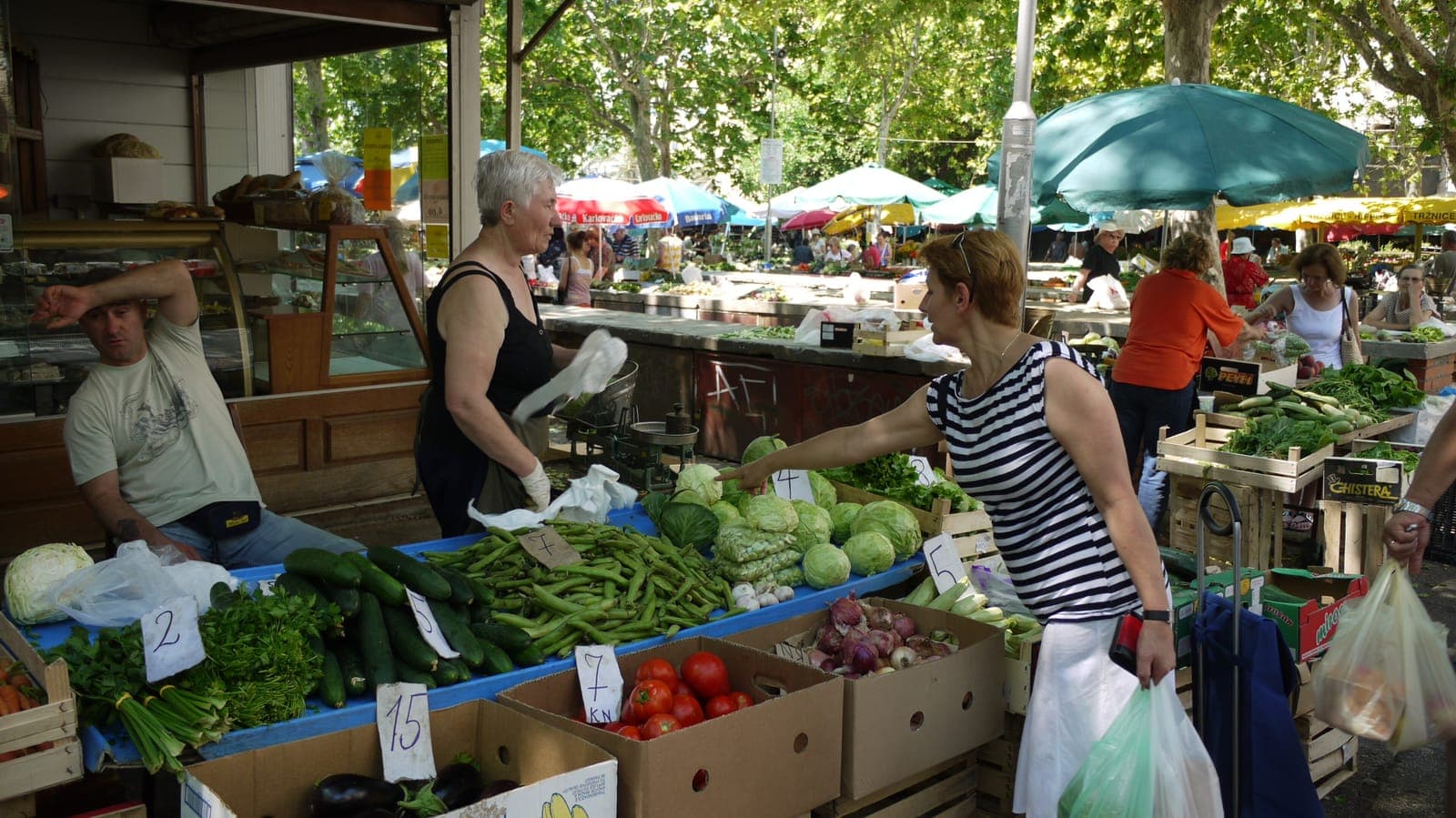
Food & drink
Three and a half hours through the green market, the fish market and four family-run places inside the palace, eating soparnik, pršut, Pag cheese, fresh anchovies and rožata. Enough food to replace lunch, with the context that makes Dalmatian cooking make sense.
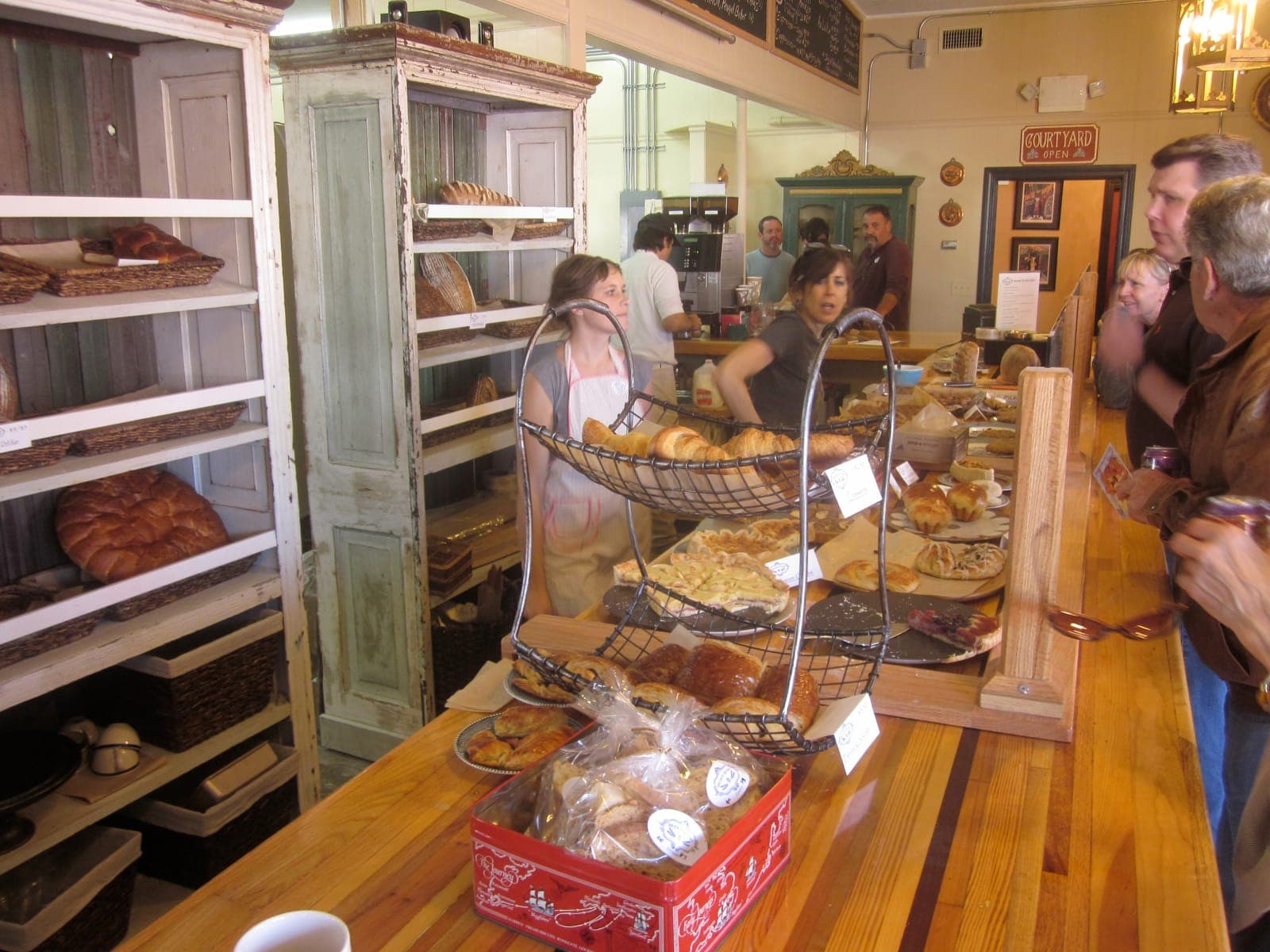
Food & drink
A tiny sourdough bakery near the Golden Gate that sells out by early afternoon. Proper bread, burek, and the best breakfast pastry in Split for under three euros.

Food & drink
Split's best-known fine-dining seafood restaurant, on the first floor of the ACI marina with the whole harbour in front of it. Expensive, precise, and the view genuinely earns part of the bill.

Food & drink
The nine-until-midnight part of a Split night, and the best of it. Small cellars and side rooms inside Diocletian's Palace pour Dalmatian wine by the glass with no music you have to shout over. Arrive before nine if you want a table, and leave around midnight when the lanes empty.

Food & drink
A high-ceilinged former shop turned bistro, doing modern Mediterranean plates and a serious wine list. The most reliable smart dinner in the centre, and the room is genuinely lovely.