To Do in Split — Your guide to Split

Split or Dubrovnik: Where to Base Yourself

Base yourself in Split if you want islands, day trips, beaches and a city that is still a city. Choose Dubrovnik for two or three nights of the most complete walled town on the Adriatic. For a week, Split; for a long weekend, either; with ten days, both — four to five hours apart.

Diocletian's Palace, Split
Diocletian's Palace · Split, Croatia

The short answer

Split is the better base; Dubrovnik is the better sight. Split has the ferry port for Hvar, Brač, Vis and Šolta, the buses for Krka, Trogir and Omiš, and four times the population of Dubrovnik — 160,577 against 41,562 at the 2021 census — which means a city that runs on its own life rather than its visitors'. Dubrovnik has the walls, the most intact old town on this coast, and very little else within an easy day. If you are staying a week, stay in Split. If you have three nights and want to be impressed every time you step outside, Dubrovnik.

Choose Split if

  • You want to island-hop. Split's port is the hub of central Dalmatia — Hvar is an hour away by catamaran, Brač fifty minutes by car ferry.

  • You want variety in day trips: Krka's waterfalls, Trogir, Omiš and the Cetina canyon, Klis fortress, even Mostar.

  • You want to swim in town. Bačvice, Kašjuni and Bene are a walk or a short bus ride from the palace.

  • You care about the bill. Split is not cheap any more, but its konobas two streets back from the water are still feeding locals.

What things actually cost: is Split expensive?

Choose Dubrovnik if

  • It is your first time in Croatia, you have two or three nights, and you want the postcard. The walk round the walls is one of the great city walks in Europe.

  • You are flying in and out of Dubrovnik and do not want to spend a day on the road.

  • You want to combine Croatia with Montenegro's Bay of Kotor, which is a far easier day from Dubrovnik than from Split.

The honest catch with Dubrovnik is scale. The old town is small, almost entirely given over to visitors in summer, and the city limits how many cruise ships call in a day precisely because the lanes cannot take more. It is extraordinary at seven in the morning and hard work at noon in August. Split has the same summer crowds in the palace at midday, but you can walk ten minutes in any direction and be somewhere ordinary.

Doing both

With ten days or more, do both: most of the time in Split, the last two or three nights in Dubrovnik, and fly home from there. By road it is about four to five hours by bus. Since the Pelješac Bridge opened in July 2022 the route can stay inside Croatia, though some buses still cross the short Bosnian coastline at Neum, so keep your passport or ID card to hand. In summer, catamarans run between the two via the islands in five to six hours — slower than the bus, but the better journey, and you can step off at Hvar or Korčula on the way.

The island hop starts at Split's ferry port.

Who should not base themselves in Split

Anyone whose idea of Croatia is the walls of King's Landing and nothing else, and anyone landing in Dubrovnik for only three nights. The drive north eats a day each way. Equally, a week in Dubrovnik alone is long — you will run out of easy day trips and pay Dubrovnik prices for every meal while you do.

Settled on Split? Next, where to stay in Split, by neighbourhood.

Then the island most people pick first: Hvar as a day trip.

And the city's centre of gravity: Diocletian's Palace.

Planning the length of the stay: how many days in Split.

Every day out, ranked: the best day trips from Split.

Things to do in Split

Split in two days

The best beaches in Split

Frequently asked questions

Is Split or Dubrovnik better to stay in?
Split, for most trips longer than three nights. It has the ferries to the islands, the widest choice of day trips and city beaches, and it is a working city rather than a visitor town. Dubrovnik is better for a short stay focused on its old town and walls.
Is Split cheaper than Dubrovnik?
Generally, yes. Dubrovnik is a much smaller city with a far larger share of its economy given over to visitors, and restaurant and accommodation prices reflect it. Split's konobas a couple of streets back from the water are still priced for locals.
How far is Split from Dubrovnik?
About four to five hours by bus. In summer catamarans link the two via Hvar and Korčula in five to six hours. Some buses still pass through Neum in Bosnia and Herzegovina, so carry a passport or ID card.
Can you do Dubrovnik as a day trip from Split?
You can, but it is eight to ten hours of travel for a few hours in a crowded old town. Spend two nights there at the end of your trip instead, and fly home from Dubrovnik.

Get out there

Tours that go here

Guided trips that include this stop, with live availability.

Diocletian's Palace Walking Tour

History

Diocletian's Palace Walking Tour

Ninety minutes through the palace with a guide who lives inside it: the Golden Gate, the cellars, the Peristyle, the cathedral and the streets in between. Small group, no flag, and a proper explanation of why a Roman emperor retired to a cabbage patch in Dalmatia.

1 h 30 min

More like this

Diocletian's Palace

History

Diocletian's Palace

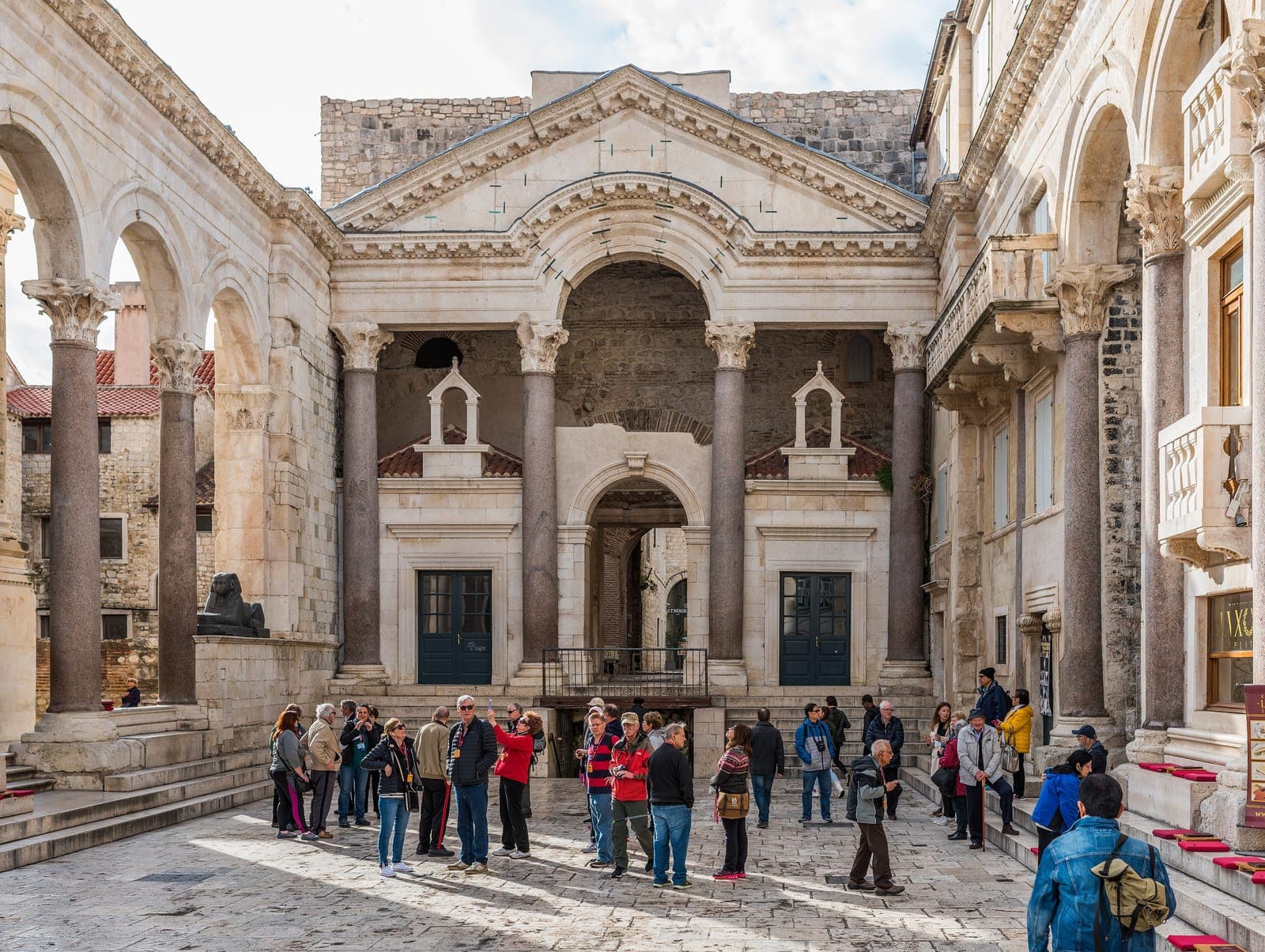
Diocletian's Palace is free: its lanes, the Peristyle, the domed Vestibule and the central passage through the cellars are open at all hours with no gate. You pay only for interiors — the side halls of the cellars (€10 for adults as of October 2026) and the cathedral, bell tower, crypt, treasury and Temple of Jupiter, ticketed separately. Built around AD 305, it is still full of homes, bars and shops.

2 h
Cathedral of St Domnius & Bell Tower

History

Cathedral of St Domnius & Bell Tower

The oldest cathedral building in the world still in use, and it started life as the mausoleum of the emperor who persecuted the man it is now named after. The bell tower beside it gives you the best view in Split for the price of 183 steps.

From €101 h
The Riva

Culture

The Riva

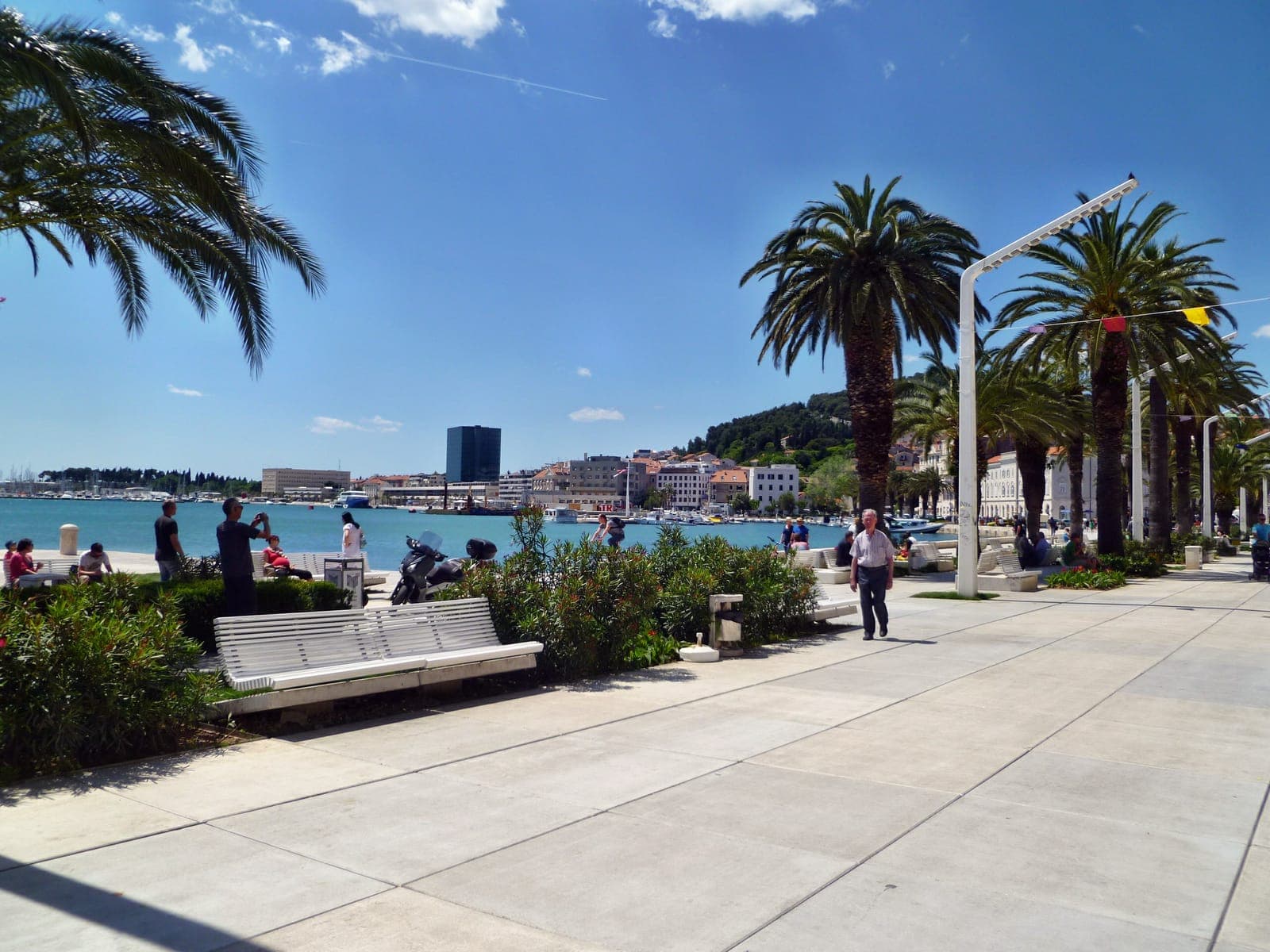
Split's palm-lined seafront promenade, and the city's actual living room. Locals walk it at seven every evening, coffee lasts an hour, and nobody is in a hurry. Free, always open, and the correct place to watch the light go orange on the palace wall.

45 min
Split Food & Market Tour

Food & drink

Split Food & Market Tour

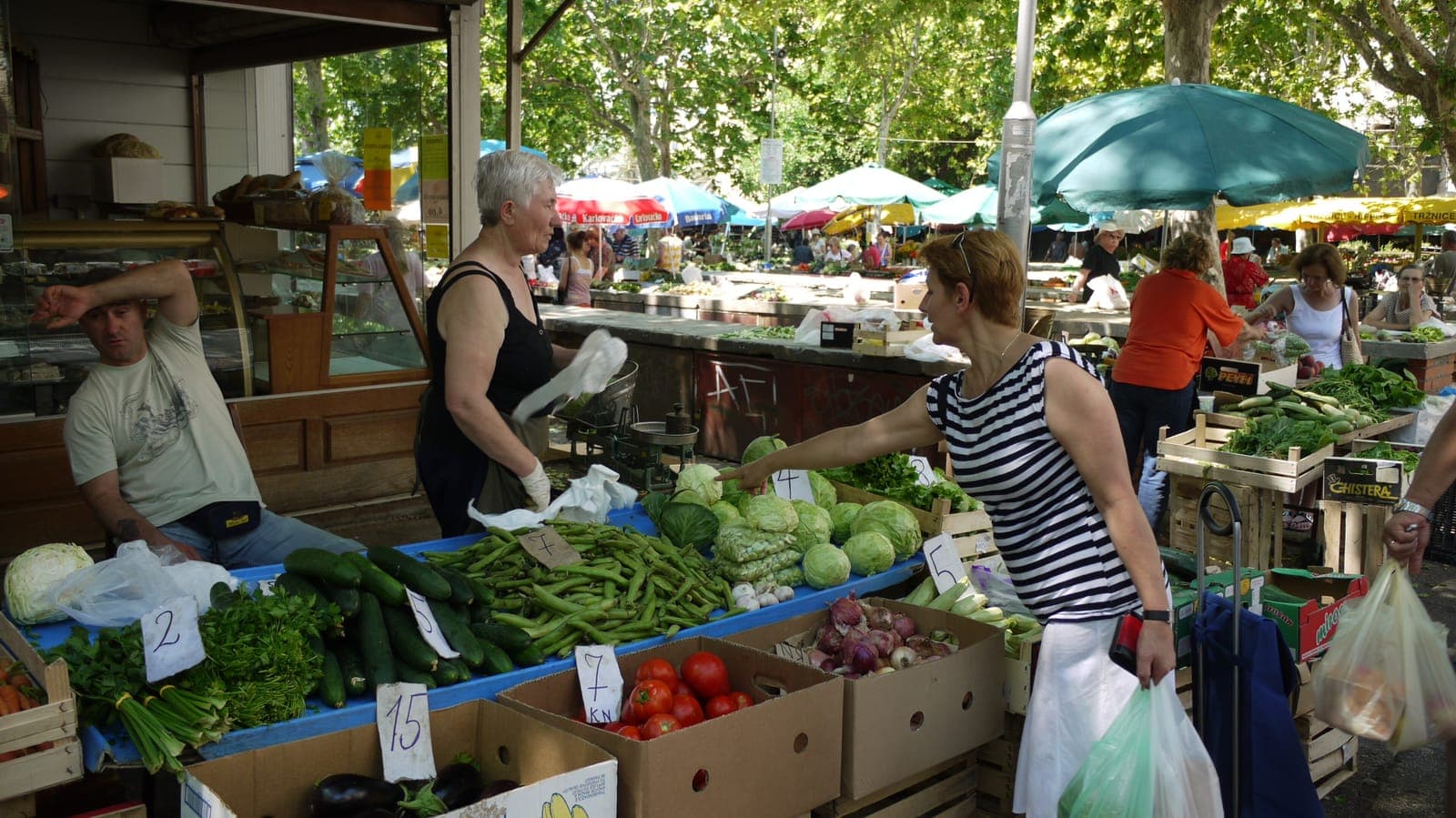
Three and a half hours through the green market, the fish market and four family-run places inside the palace, eating soparnik, pršut, Pag cheese, fresh anchovies and rožata. Enough food to replace lunch, with the context that makes Dalmatian cooking make sense.

From €653 h 30 min
A Hajduk Match at Poljud

Family

A Hajduk Match at Poljud

The most Split thing you can do for ten euros. Poljud is a listed 1979 shell of a stadium, the Torcida have been going since 1950, and a mid-table league game on a Saturday night tells you more about this city than any walking tour will.

From €102 h
The Peristyle

History

The Peristyle

The colonnaded courtyard at the centre of Diocletian's Palace, where the emperor appeared to his subjects and where Split now drinks wine on the steps. Free, roofless, and the best-preserved Roman square you can sit down in.

30 min

Related guides

Where to Stay in Split

Culture

Where to Stay in Split

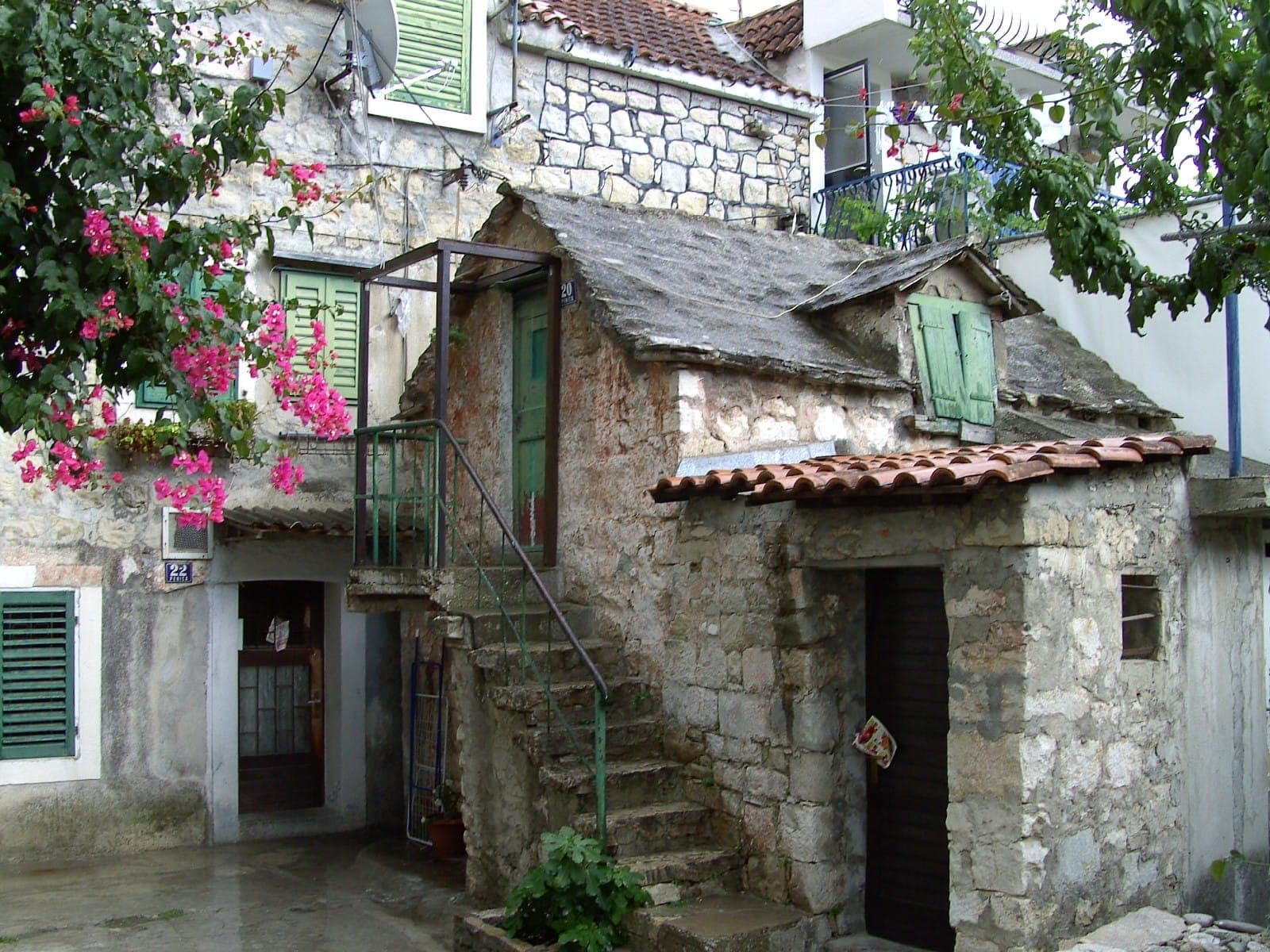
Inside the palace for atmosphere and noise, Varoš for stone lanes and quiet, Bačvice for the beach and the nightlife, Meje for calm and views, Žnjan for space and value. Split is small enough that none of them is a bad choice — they are just different holidays.

Is Split Worth Visiting?

Culture

Is Split Worth Visiting?

Yes, for two to five days, and most of all in June or September. Split is a Roman palace that people still live in, with beaches in town and the islands an hour away by boat. It is not worth it for a party-free week in mid-August, or for anyone who wants sand and silence.