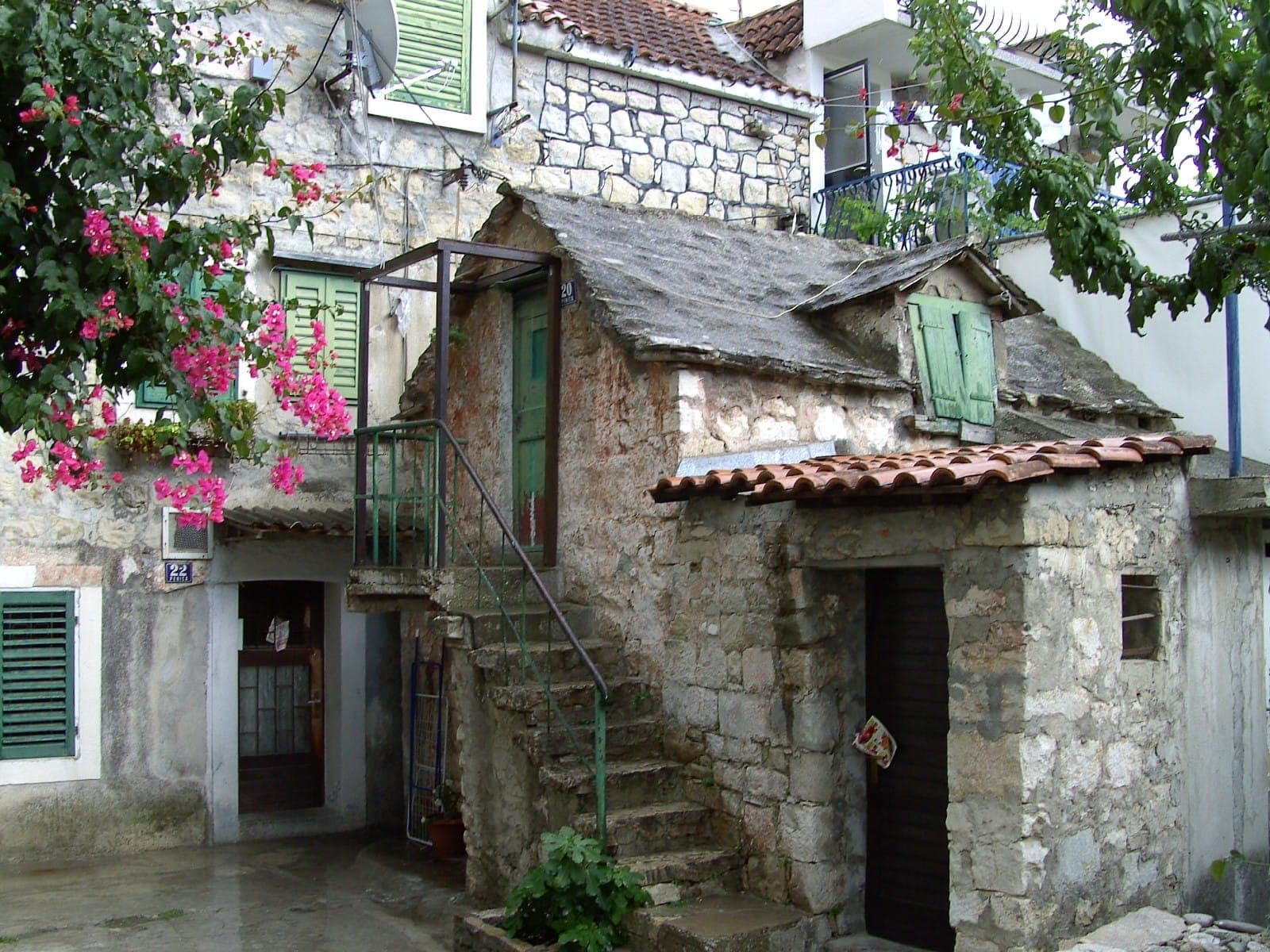
To Do in Split — Your guide to Split

Split Food & Market Tour

Three and a half hours through the green market, the fish market and four family-run places inside the palace, eating soparnik, pršut, Pag cheese, fresh anchovies and rožata. Enough food to replace lunch, with the context that makes Dalmatian cooking make sense.

Local favourite
Split Food & Market Tour in Split
Price
From €65
Allow
3 h 30 min
Where
Old Town & Diocletian's Palace

What you eat

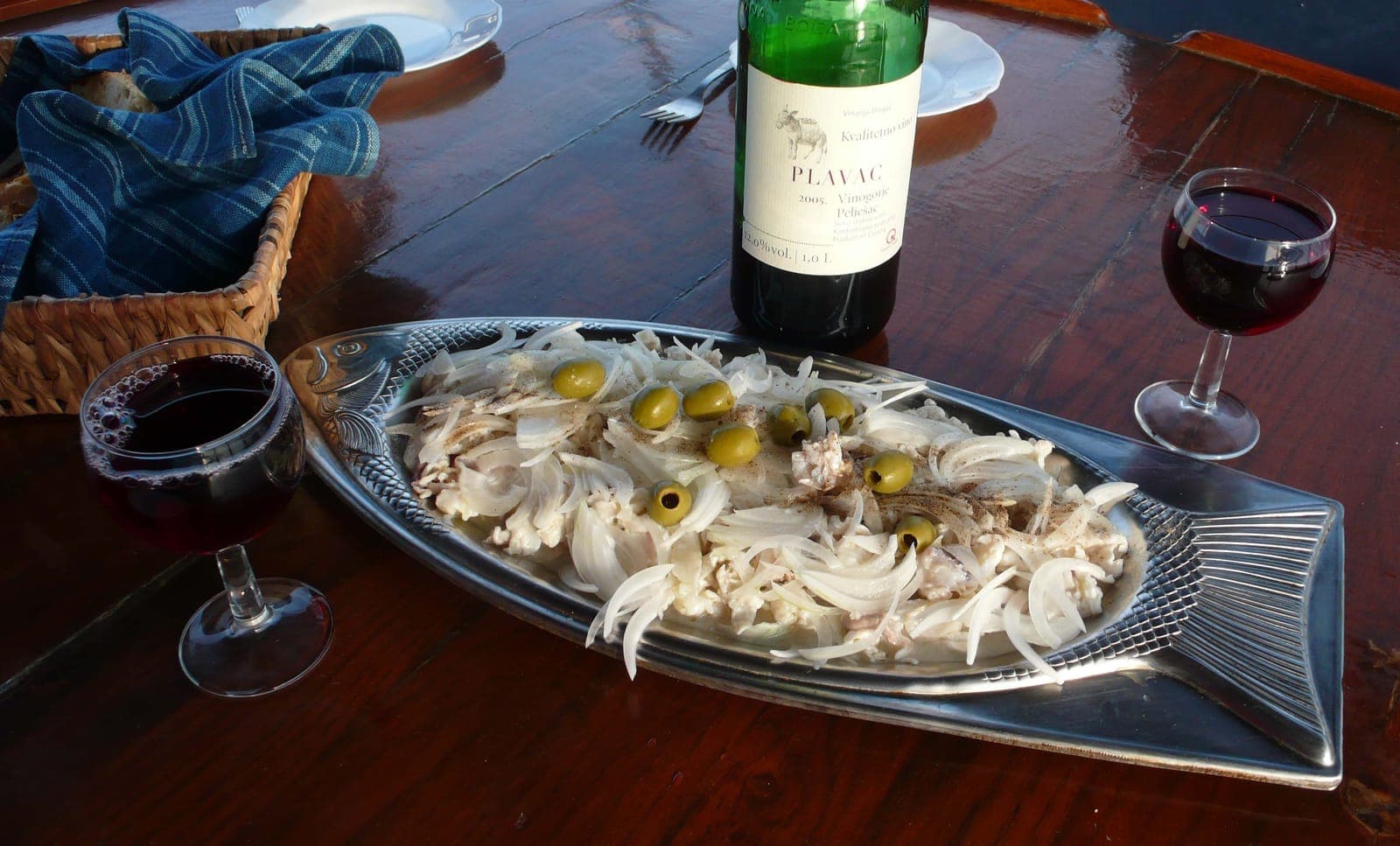
Soparnik — the Poljica chard pie now protected by the EU. Pršut from Drniš, aged in the bura wind. Sheep's cheese from Pag. Fresh anchovies, marinated. Peka if the group is right — the cast-iron pot of meat and vegetables slow-cooked under embers, which is the Dalmatian dish most visitors do not order because they do not know to order it a day ahead. Rožata for pudding, the Dalmatian creme caramel. Two glasses of Dalmatian wine along the way: a plavac mali and something white from Korčula.

Why it is worth it

Dalmatian food is simple to the point of looking plain, and it is easy to eat badly in Split without knowing you did. A good tour teaches you what an olive oil should taste like and which fish is actually local, which changes every meal you eat afterwards. The market walk at the start is as valuable as the tastings — you learn where the figs come from, why the cheese from Pag is salted, and what is in season now.

To go further into the wine, a palace cellar tasting covers plavac mali, pošip and grk in ninety minutes.

Practical

Most tours run in the morning, start at the green market, and end inside the palace. Wear comfortable shoes and bring an appetite — the tour replaces lunch, not supplements it. Vegetarian is easy with notice; vegan and coeliac are harder, because Dalmatian cooking is built on fish, cheese and bread. Tell the operator when you book, not on the day.

The tour starts at the green market, which is worth going back to on your own any morning before nine.

If you want to cook it rather than only eat it, a cooking class starts at the same market and ends at the stove.

Things to do in Split

Boat trips and tours

Split in one day
Where Split Food & Market Tour is

Places on this map (7)

Split Food & Market Tour through the year

Right now · Autumn

The best season to do this. The grape and olive harvest is in, the year's new olive oil reaches the market from late October, and the figs and grapes on the tour are local rather than shipped.

Winter
Runs all year and is a good rainy-day answer — most of the stops are indoors, and a long lunch is what winter here is for.

Frequently asked questions

Do you need to eat lunch before a Split food tour?
No — plan for the tour to replace a meal. Most run for three to four hours and include six or seven tastings plus wine, ending with a peka or a pudding.
Can food tours in Split handle dietary requirements?
Vegetarian is straightforward with notice; Dalmatian cooking has plenty of chard, beans and cheese. Coeliac and vegan are harder — tell the operator when you book, not on the day.
How much is a food tour in Split?
About €65 for a three-and-a-half-hour group tour with six or seven tastings and two glasses of wine. Private tours start around €100 a head.

Get out there

Tours that go here

Guided trips that include this stop, with live availability.

Diocletian's Palace Walking Tour

History

Diocletian's Palace Walking Tour

Ninety minutes through the palace with a guide who lives inside it: the Golden Gate, the cellars, the Peristyle, the cathedral and the streets in between. Small group, no flag, and a proper explanation of why a Roman emperor retired to a cabbage patch in Dalmatia.

1 h 30 min

Nearby

Within a short walk.

Pazar Green Market

Food & drink

Pazar Green Market

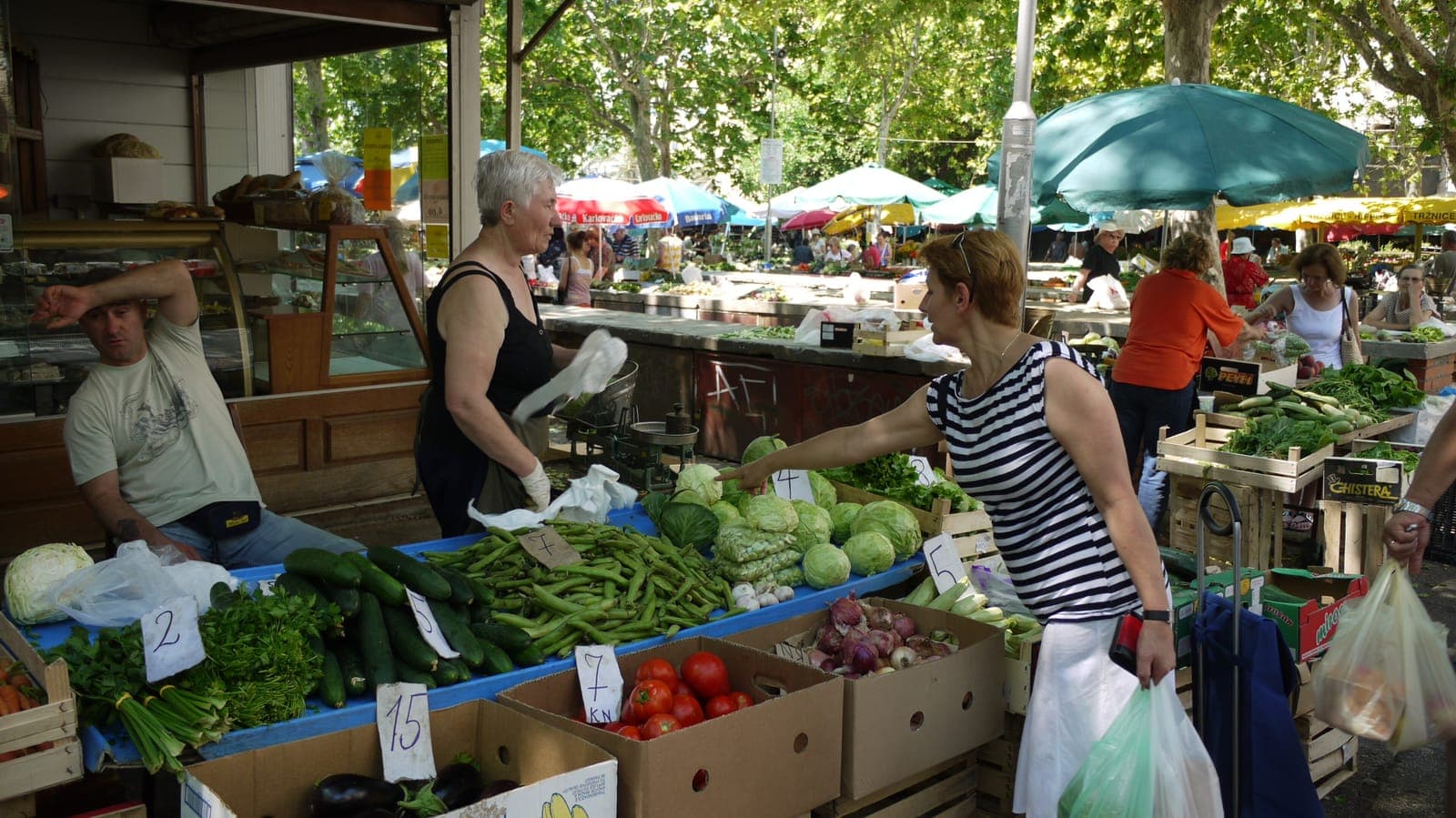
The open-air produce market against the palace's eastern wall, running every morning since forever. Figs, tomatoes, olive oil, cheese from Pag, and old women who will tell you your peaches are not ripe yet. Free to walk through, best before nine.

45 min0 m away
Dalmatian Wine Tasting

Food & drink

Dalmatian Wine Tasting

An hour and a half through Dalmatia's own grapes: plavac mali from Hvar and Pelješac, pošip and grk from Korčula, and the debit and maraština nobody exports. Most tastings run in palace cellars, which is a good place to be at three in the afternoon.

From €301 h 30 min84 m away
Escape Rooms in Split

Family

Escape Rooms in Split

A genuinely good rainy-day answer in a city with few of them. Several rooms in and around the old town run in English, take two to six players, and cost €60–80 for the room rather than per person.

From €601 h124 m away
Statue of Gregory of Nin

History

Statue of Gregory of Nin

An eight-metre Meštrović bronze just outside the Golden Gate, of the bishop who fought to keep the liturgy in Croatian. Everyone rubs his big toe for luck, which is why it is the only polished part of him. Free, and takes five minutes.

15 min141 m away
Cathedral of St Domnius & Bell Tower

History

Cathedral of St Domnius & Bell Tower

The oldest cathedral building in the world still in use, and it started life as the mausoleum of the emperor who persecuted the man it is now named after. The bell tower beside it gives you the best view in Split for the price of 183 steps.

From €101 h163 m away
Kruščić Bakery

Food & drink

Kruščić Bakery

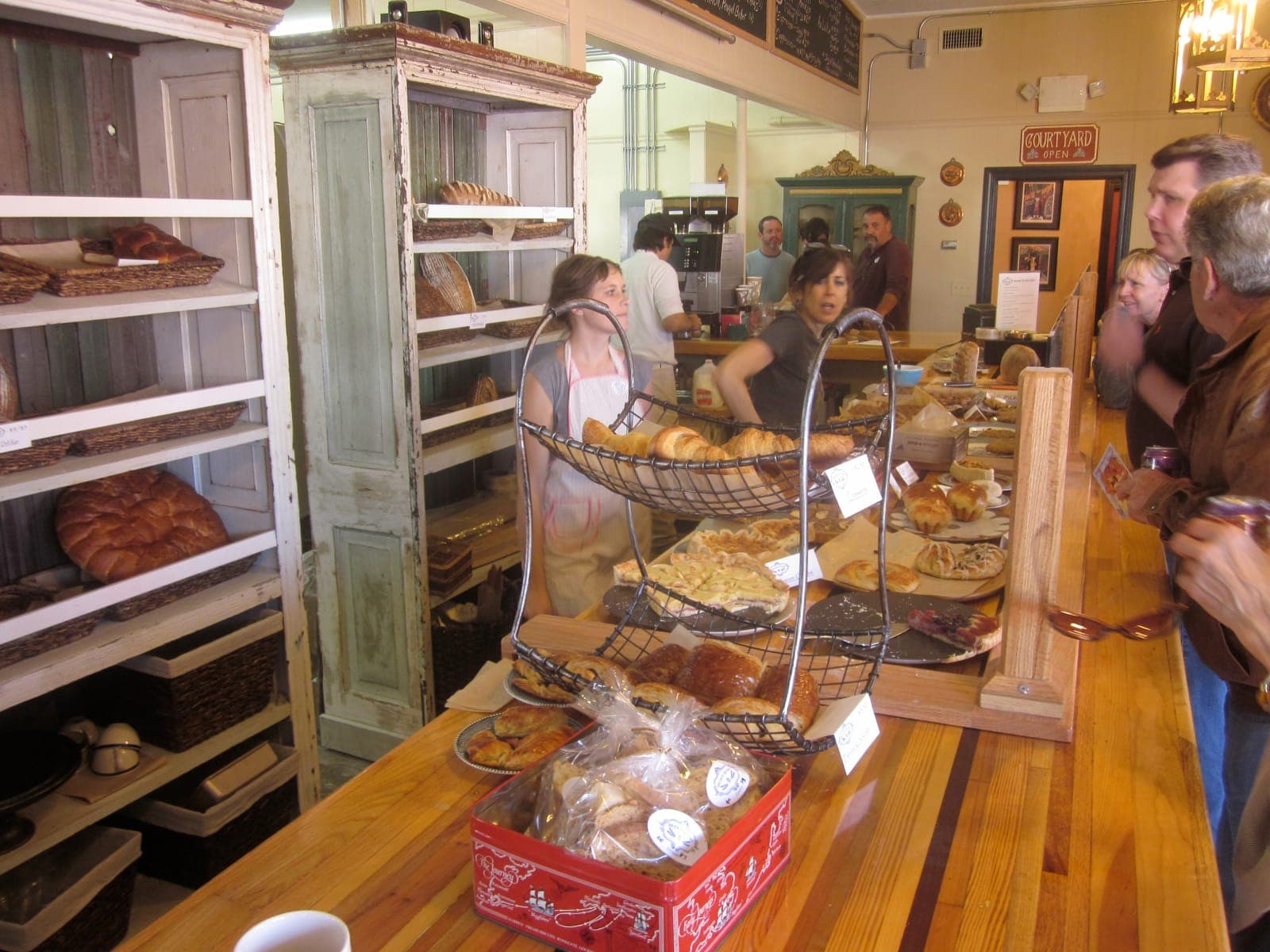
A tiny sourdough bakery near the Golden Gate that sells out by early afternoon. Proper bread, burek, and the best breakfast pastry in Split for under three euros.

170 m away

More like this

Diocletian's Palace

History

Diocletian's Palace

Diocletian's Palace is free: its lanes, the Peristyle, the domed Vestibule and the central passage through the cellars are open at all hours with no gate. You pay only for interiors — the side halls of the cellars (€10 for adults as of October 2026) and the cathedral, bell tower, crypt, treasury and Temple of Jupiter, ticketed separately. Built around AD 305, it is still full of homes, bars and shops.

2 h
Villa Spiza

Food & drink

Villa Spiza

Twelve seats at a counter, a blackboard that changes daily, and cooking that is better than places charging three times as much. No reservations, no table service, and a queue outside from seven. Worth the wait.

Konoba Marjan

Food & drink

Konoba Marjan

A small konoba on a Varoš side street doing exactly four things well: grilled fish by the kilo, black risotto, octopus salad and house wine from a jug. No view, no English menu board outside, and a queue by eight in July.

The Riva

Culture

The Riva

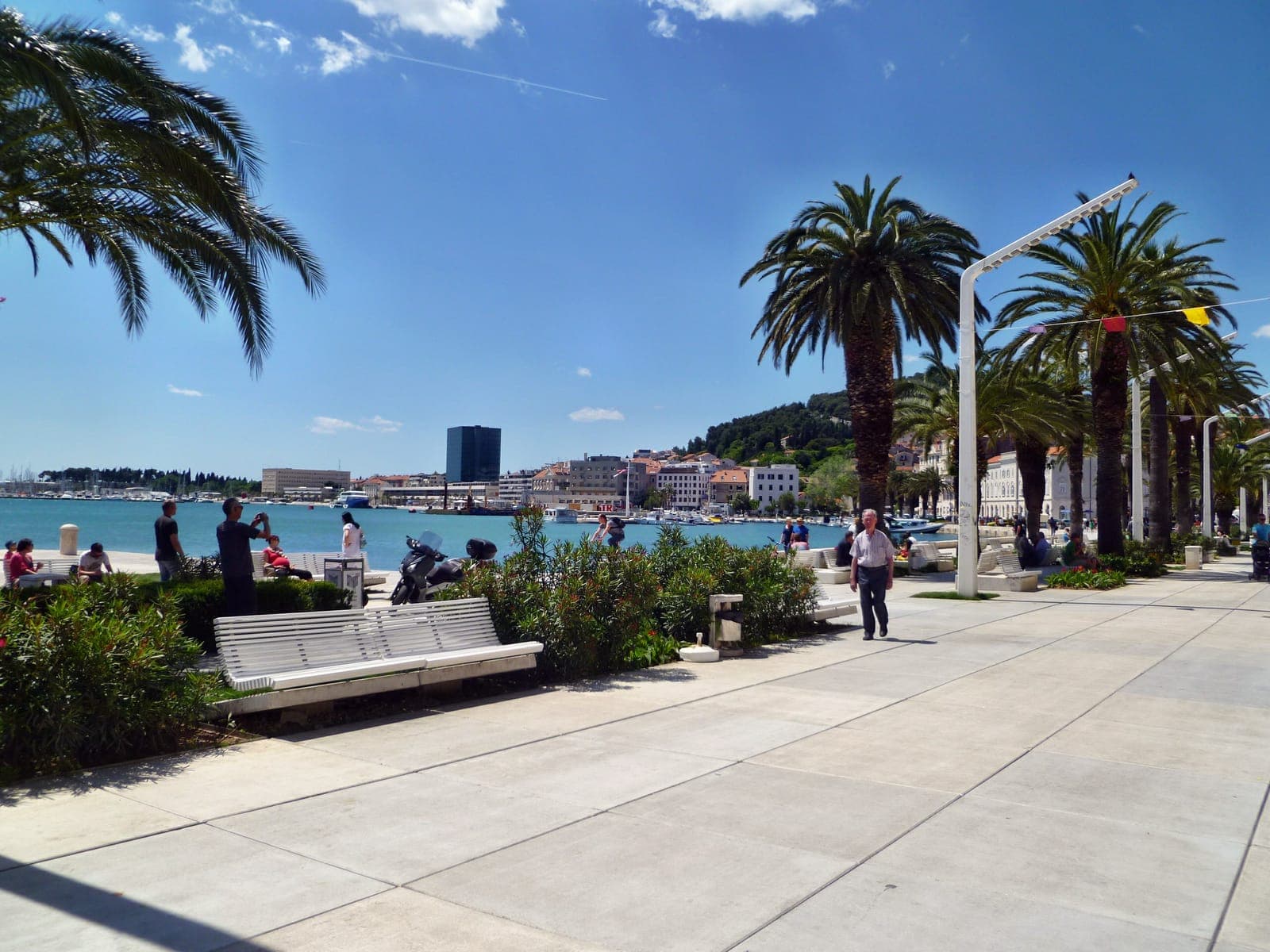
Split's palm-lined seafront promenade, and the city's actual living room. Locals walk it at seven every evening, coffee lasts an hour, and nobody is in a hurry. Free, always open, and the correct place to watch the light go orange on the palace wall.

45 min
A Hajduk Match at Poljud

Family

A Hajduk Match at Poljud

The most Split thing you can do for ten euros. Poljud is a listed 1979 shell of a stadium, the Torcida have been going since 1950, and a mid-table league game on a Saturday night tells you more about this city than any walking tour will.

From €102 h
The Peristyle

History

The Peristyle

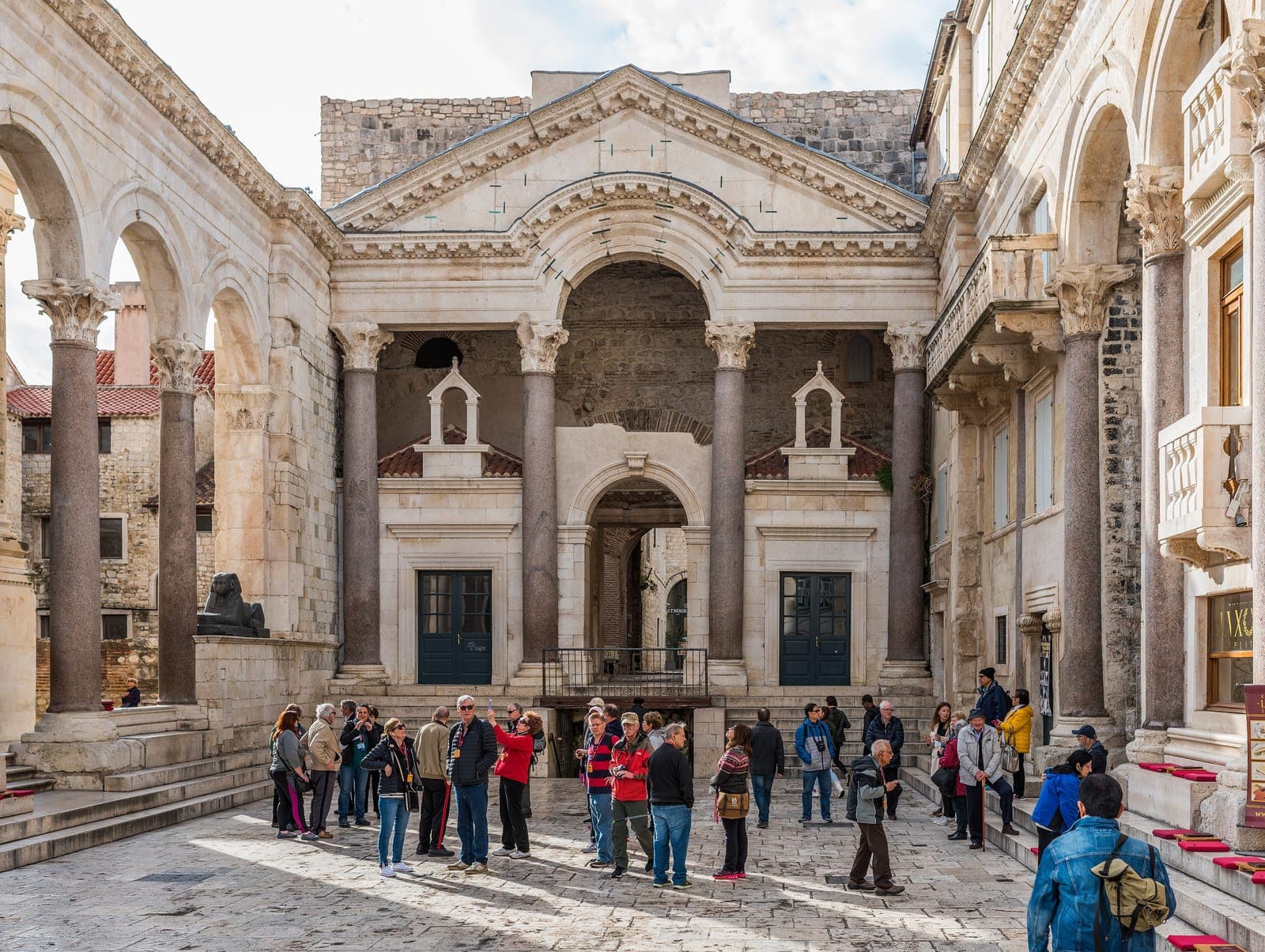
The colonnaded courtyard at the centre of Diocletian's Palace, where the emperor appeared to his subjects and where Split now drinks wine on the steps. Free, roofless, and the best-preserved Roman square you can sit down in.

30 min

Related guides

Where to Stay in Split

Culture

Where to Stay in Split

Inside the palace for atmosphere and noise, Varoš for stone lanes and quiet, Bačvice for the beach and the nightlife, Meje for calm and views, Žnjan for space and value. Split is small enough that none of them is a bad choice — they are just different holidays.

Is Split Worth Visiting?

Culture

Is Split Worth Visiting?

Yes, for two to five days, and most of all in June or September. Split is a Roman palace that people still live in, with beaches in town and the islands an hour away by boat. It is not worth it for a party-free week in mid-August, or for anyone who wants sand and silence.

Split or Dubrovnik: Where to Base Yourself

Culture

Split or Dubrovnik: Where to Base Yourself

Base yourself in Split if you want islands, day trips, beaches and a city that is still a city. Choose Dubrovnik for two or three nights of the most complete walled town on the Adriatic. For a week, Split; for a long weekend, either; with ten days, both — four to five hours apart.