To Do in Split — Your guide to Split

Is Split Worth Visiting?

Yes, for two to five days, and most of all in June or September. Split is a Roman palace that people still live in, with beaches in town and the islands an hour away by boat. It is not worth it for a party-free week in mid-August, or for anyone who wants sand and silence.

The Riva, Split
The Riva · Split, Croatia

The short answer

Yes. Split is worth two to five days, and it repays them better than almost anywhere else on the Adriatic, because it is three things at once: a Roman emperor's palace that people still live, drink and shop inside; a swimming city with beaches a walk from the old town; and the ferry port for Hvar, Brač, Vis and Šolta. Come in June or September and it is hard to be disappointed. Come for a quiet beach week in mid-August and you may well be.

What makes it worth the trip

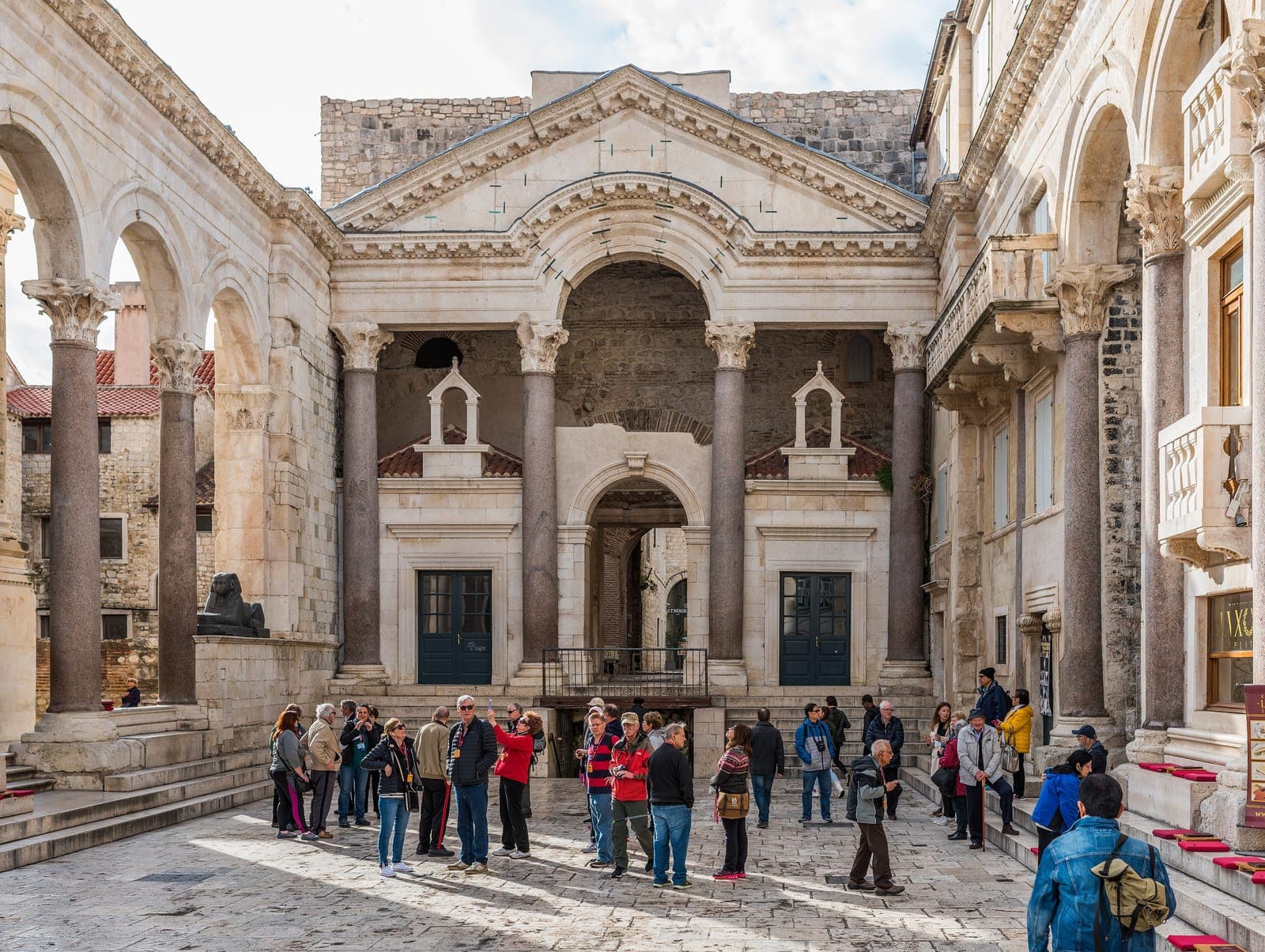
  • Diocletian's Palace is not a fenced ruin. It is the old town — free to walk through at any hour, with a bakery, wine bars and flats inside walls built around AD 305.

  • You can swim before breakfast. Bačvice is a few minutes' walk from the palace, and Kašjuni and Bene are on the Marjan side, by bus 12 or on foot.

  • Marjan, a pine-covered hill at the end of the Riva, gives you a forest walk and a city view fifteen minutes from the harbour.

  • It is a base. Hvar, Brač, Trogir, Krka and Omiš are all comfortable days out, so a week here never repeats itself.

Start with Diocletian's Palace, and walk it early or late.

By season

  • June and September: the best of it. Warm sea, long days, every boat running, and a table without booking three days ahead.

  • July and August: hot, crowded and at peak prices, especially mid-August when Croatia itself is on holiday. Worth it if you want the full summer — festivals, late nights, every island open — and can plan around the midday crowds in the palace.

  • April, May and October: the city at its most pleasant to walk, cheaper beds, a sea that is cold in April and swimmable from late May into October. Some island boats run less often.

  • November to March: a quiet, local city of 10–15 °C with cheap rooms and an empty palace. Worth it for a city break, not for a beach holiday.

Month by month: the best time to visit Split.

By traveller

  • Couples: yes — sunset on Marjan, dinner in Varoš, a day on Hvar.

  • Families: yes, if you stay near Firule or Žnjan rather than inside the palace walls, where the bars run late.

  • Groups and nightlife: yes in summer, with clubs and beach bars busy until three. Out of season the nightlife is quiet.

  • Beach-first holidays: only partly. Split's beaches are good city beaches, mostly pebble and busy; for long empty bays, base yourself on an island.

  • Culture travellers: very much — the palace, the cathedral, the Meštrović Gallery, and Salona and Klis just inland.

When it is not worth it

If you have a single day and it falls between eleven and three in July, when the cruise groups fill the Peristyle, you will see Split at its worst. If you want sandy, quiet beaches, Split is the wrong city. If you want a holiday where you never queue, avoid the first three weeks of August. And if you are choosing between one night in Split and a straight run to an island, the island may serve you better — Split needs at least two days to make sense.

How long to stay: how many days you need in Split.

If you only have a day, follow Split in one day.

Weighing the alternative? Split or Dubrovnik.

The money question: is Split expensive?

For the swimming: the best beaches in Split.

Things to do in Split

Split in two days
Frequently asked questions

Is Split worth visiting?
Yes, for two to five days. It combines a lived-in Roman palace, city beaches and the ferry port for the central Dalmatian islands, which few places on the Adriatic can match. June and September are the best months.
Is Split worth visiting in winter?
Yes, as a city break rather than a beach trip. Expect 10–15 °C, an empty palace, cheaper rooms and reduced island ferries. It is a good few days for walking and eating, not for swimming.
Is Split too touristy?
At midday in July and August the palace is very crowded, especially when cruise ships are in. Early mornings, evenings and the neighbourhoods outside the walls — Varoš, Marjan, Firule — are much calmer, and Split remains a working city of about 160,000 people.
Is one day in Split enough?
One day is enough to see the palace, the Riva and Marjan, and not much more. Two days is the minimum that feels unhurried, and three lets you add an island or Krka.

Get out there

Tours that go here

Guided trips that include this stop, with live availability.

Diocletian's Palace Walking Tour

History

Diocletian's Palace Walking Tour

Ninety minutes through the palace with a guide who lives inside it: the Golden Gate, the cellars, the Peristyle, the cathedral and the streets in between. Small group, no flag, and a proper explanation of why a Roman emperor retired to a cabbage patch in Dalmatia.

1 h 30 min

More like this

Diocletian's Palace

History

Diocletian's Palace

Diocletian's Palace is free: its lanes, the Peristyle, the domed Vestibule and the central passage through the cellars are open at all hours with no gate. You pay only for interiors — the side halls of the cellars (€10 for adults as of October 2026) and the cathedral, bell tower, crypt, treasury and Temple of Jupiter, ticketed separately. Built around AD 305, it is still full of homes, bars and shops.

2 h
Cathedral of St Domnius & Bell Tower

History

Cathedral of St Domnius & Bell Tower

The oldest cathedral building in the world still in use, and it started life as the mausoleum of the emperor who persecuted the man it is now named after. The bell tower beside it gives you the best view in Split for the price of 183 steps.

From €101 h
The Riva

Culture

The Riva

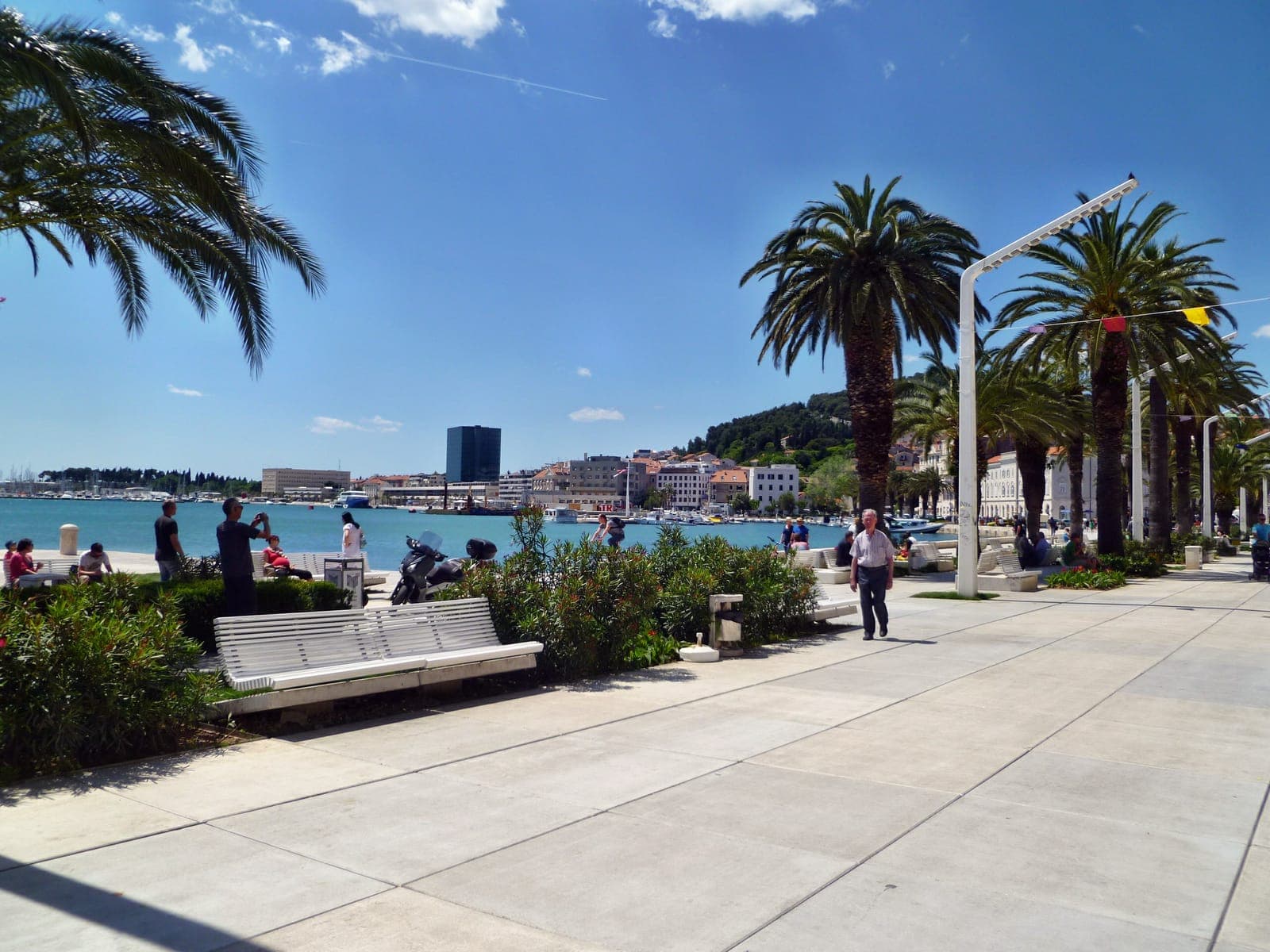
Split's palm-lined seafront promenade, and the city's actual living room. Locals walk it at seven every evening, coffee lasts an hour, and nobody is in a hurry. Free, always open, and the correct place to watch the light go orange on the palace wall.

45 min
Split Food & Market Tour

Food & drink

Split Food & Market Tour

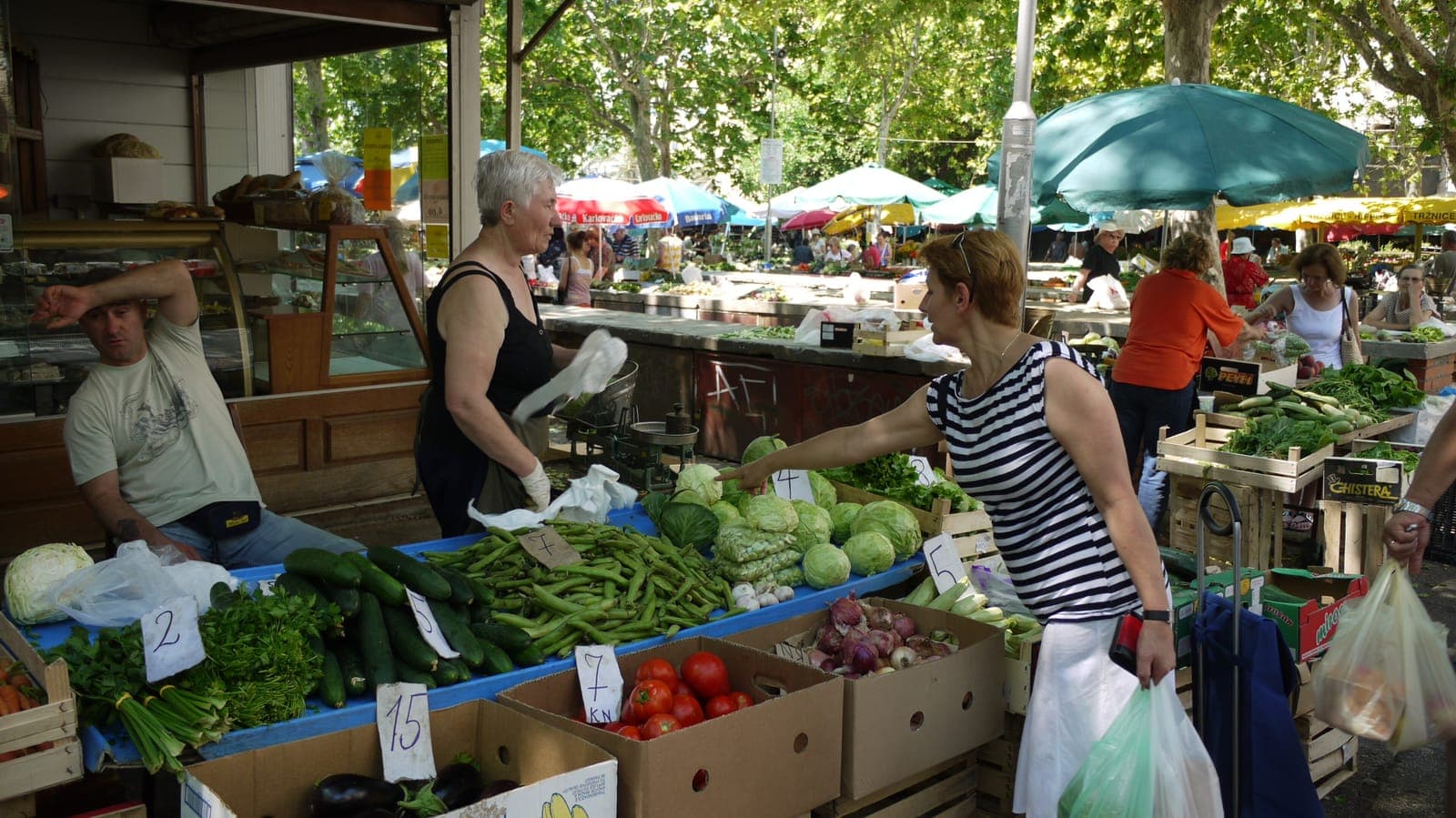
Three and a half hours through the green market, the fish market and four family-run places inside the palace, eating soparnik, pršut, Pag cheese, fresh anchovies and rožata. Enough food to replace lunch, with the context that makes Dalmatian cooking make sense.

From €653 h 30 min
A Hajduk Match at Poljud

Family

A Hajduk Match at Poljud

The most Split thing you can do for ten euros. Poljud is a listed 1979 shell of a stadium, the Torcida have been going since 1950, and a mid-table league game on a Saturday night tells you more about this city than any walking tour will.

From €102 h
The Peristyle

History

The Peristyle

The colonnaded courtyard at the centre of Diocletian's Palace, where the emperor appeared to his subjects and where Split now drinks wine on the steps. Free, roofless, and the best-preserved Roman square you can sit down in.

30 min

Related guides

Where to Stay in Split

Culture

Where to Stay in Split

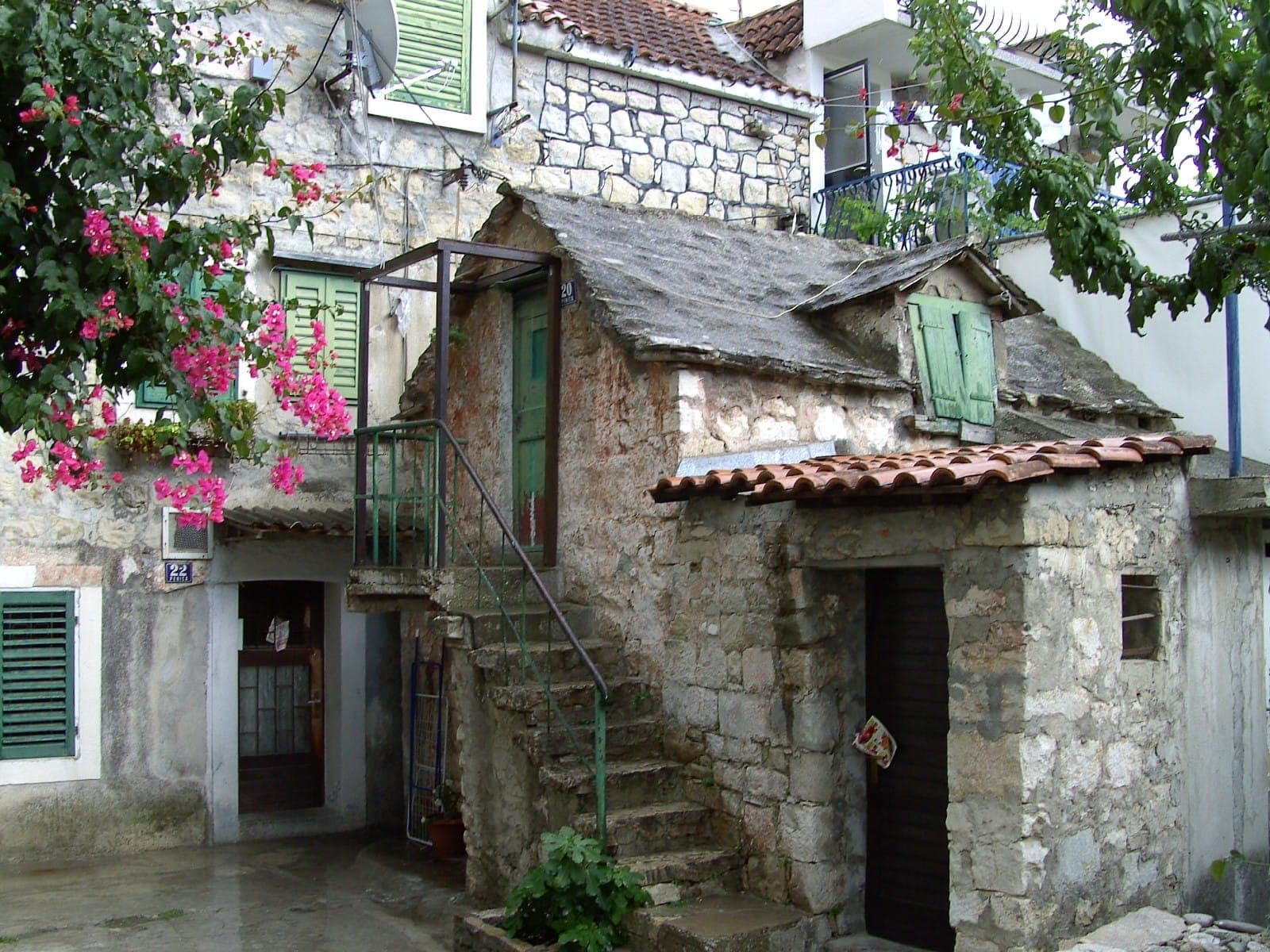
Inside the palace for atmosphere and noise, Varoš for stone lanes and quiet, Bačvice for the beach and the nightlife, Meje for calm and views, Žnjan for space and value. Split is small enough that none of them is a bad choice — they are just different holidays.

Split or Dubrovnik: Where to Base Yourself

Culture

Split or Dubrovnik: Where to Base Yourself

Base yourself in Split if you want islands, day trips, beaches and a city that is still a city. Choose Dubrovnik for two or three nights of the most complete walled town on the Adriatic. For a week, Split; for a long weekend, either; with ten days, both — four to five hours apart.