To Do in Split — Your guide to Split

Play Picigin at Bačvice

Split's own barefoot ball game, invented at Bačvice in 1908 and played in ankle-deep water with no points and no winner. Free, faintly ridiculous, and the single most Split thing you can do. Locals will let you join if you ask.

Local favourite
Play Picigin at Bačvice in Split
Price
Free
Allow
45 min
Where
Bačvice

The rules, such as they are

Five players in a loose circle, ankle-deep. A small hard ball, a tennis ball or a picigin ball the size of one. Keep it out of the water, using anything but your hands closed — open palms, the back of the hand, the forearm, the chest, the foot if you are showing off. There is no score. Style counts for everything, which is why it involves so much unnecessary diving. The game ends when the ball hits the water, and then you start again.

How to join in

Stand at the edge and watch for a few minutes. If someone catches your eye, ask. Bring a ball if you would rather start your own circle — any beach shop sells them for a few euros. The regulars at Bačvice are protective of the game but welcoming of anyone who wants to play it properly, which means trying hard and not keeping score. The annual championship is held here on New Year's Day, in front of a crowd and a brass band, and it is the most Split event there is.

The sand, the shallows and the hours to avoid are in the Bačvice beach guide.

When to play

Any time the beach is not packed. Mornings and evenings in summer, any time in winter if you do not mind cold water. The regulars play year-round, which is why the New Year's Day championship is a real event and not a stunt.

When Bačvice is a wall of people, Firule is the quieter sandy bay just past it.

Staying close by? The Bačvice neighbourhood is where Split turns into a beach town.

Things to do in Split

Boat trips and tours

Split in one day

Where Play Picigin at Bačvice is

Places on this map (7)

Play Picigin at Bačvice through the year

Summer
Circles form early morning and early evening. The middle of the day is too crowded to play properly.
Winter
The one thing here that genuinely happens all year. There are men who play on New Year's Day in a 13 °C sea, and watching from the promenade with a coffee is a perfectly respectable way to take part.

Frequently asked questions

What is picigin?
A ball game invented at Bačvice beach in Split in 1908, played barefoot in ankle-deep water. Players keep a small ball in the air with open hands and there is no score — it is protected as Croatian intangible cultural heritage.
Can tourists play picigin at Bačvice?
Yes. Stand at the edge, watch, and ask to join — locals will usually have you. Bring your own ball if you want to start a separate circle. The game is free and the only rule is that you try hard and do not keep score.

Get out there

Tours that go here

Guided trips that include this stop, with live availability.

Blue Cave & Five Islands

Boat trips

Blue Cave & Five Islands

A full day on a fast twelve-seat boat: the Blue Cave on Biševo, the Monk Seal cave, Stiniva's famous cove, lunch on Vis and a swim off Budikovac's turquoise lagoon, finishing with a stop at Hvar town. Ten and a half hours, small group, no coach transfer.

10 h 30 min
Diocletian's Palace Walking Tour

History

Diocletian's Palace Walking Tour

Ninety minutes through the palace with a guide who lives inside it: the Golden Gate, the cellars, the Peristyle, the cathedral and the streets in between. Small group, no flag, and a proper explanation of why a Roman emperor retired to a cabbage patch in Dalmatia.

1 h 30 min

Nearby

Within a short walk.

Bačvice Beach

Beaches

Bačvice Beach

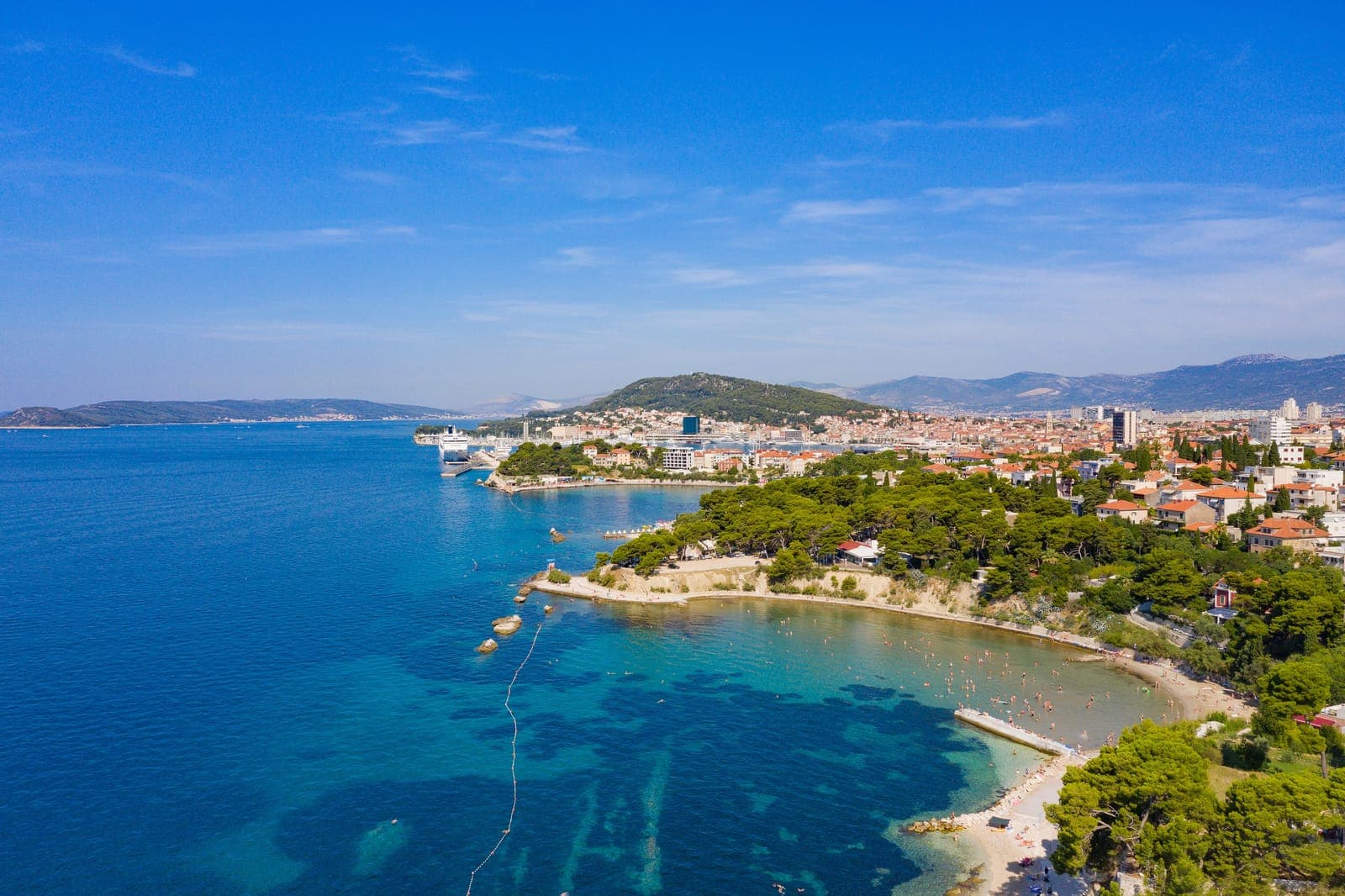
Split's city beach, and the only proper sand within walking distance of the palace. Shallow for fifty metres, which makes it excellent for small children and the reason picigin — Split's own barefoot ball game — was invented here.

0 m away
The Bačvice Beach Clubs

Nightlife

The Bačvice Beach Clubs

Where a Split night ends rather than starts. The row of clubs behind the sand fills from about midnight, runs to three or four in summer, and sits a ten-minute walk east of the Riva, so nobody needs a taxi home. Loud, young and pop-driven — arrive before one and it will feel empty.

3 h87 m away
Zrno Soli

Food & drink

Zrno Soli

Split's best-known fine-dining seafood restaurant, on the first floor of the ACI marina with the whole harbour in front of it. Expensive, precise, and the view genuinely earns part of the bill.

404 m away
Firule Beach

Beaches

Firule Beach

A small sandy bay just past Bačvice, in front of the tennis club where Goran Ivanišević learned to play. Shallow, calm and mostly families — the quieter alternative when Bačvice is a wall of people.

631 m away
Scuba Diving from Split

Adventure

Scuba Diving from Split

Wrecks, walls and caves within an hour of the city, on water that is warm from June to October and clear most of the year. A try dive needs no experience and no certificate; a certified single dive is the cheapest way to get wet if you already have a card.

From €454 h1.7 km away
Parasailing and Jet Skis at Žnjan

Adventure

Parasailing and Jet Skis at Žnjan

The noisy end of the Split waterfront, and the only place near the city with the full concession: parasail, jet ski, banana, tube, pedalo. Nobody will pretend it is authentic. It is, however, exactly what a bored eleven-year-old wants at four in the afternoon.

From €151 h1.9 km away

More like this

Diocletian's Palace

History

Diocletian's Palace

Diocletian's Palace is free: its lanes, the Peristyle, the domed Vestibule and the central passage through the cellars are open at all hours with no gate. You pay only for interiors — the side halls of the cellars (€10 for adults as of October 2026) and the cathedral, bell tower, crypt, treasury and Temple of Jupiter, ticketed separately. Built around AD 305, it is still full of homes, bars and shops.

2 h
Cathedral of St Domnius & Bell Tower

History

Cathedral of St Domnius & Bell Tower

The oldest cathedral building in the world still in use, and it started life as the mausoleum of the emperor who persecuted the man it is now named after. The bell tower beside it gives you the best view in Split for the price of 183 steps.

From €101 h
Marjan Hill

Adventure

Marjan Hill

The pine-covered hill on Split's western edge, a fifteen-minute walk from the Riva and the reason the city feels liveable in August. Free, open always, with viewpoints, hermit chapels, swimming coves at the bottom and a proper trail network on top.

2 h 30 min
Night Paddleboarding at Stobreč

Adventure

Night Paddleboarding at Stobreč

Two hours on a board lit from underneath, pushing off Stobreč as the sun goes and paddling into the river mouth in the dark. The LEDs light the bottom through three metres of water, which is the whole point: you can see what is down there.

From €442 h
The Riva

Culture

The Riva

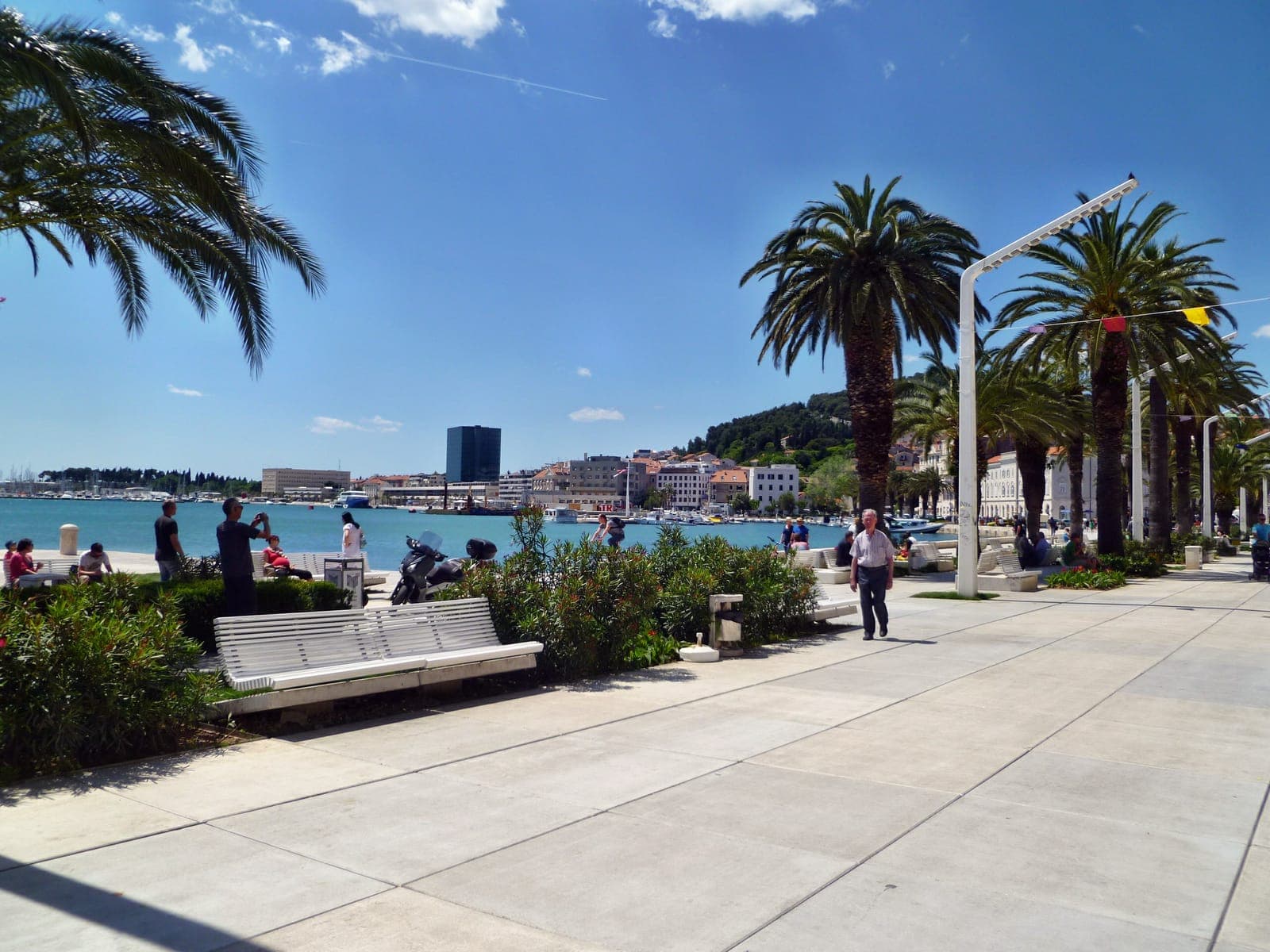
Split's palm-lined seafront promenade, and the city's actual living room. Locals walk it at seven every evening, coffee lasts an hour, and nobody is in a hurry. Free, always open, and the correct place to watch the light go orange on the palace wall.

45 min
Sea Kayaking Under Marjan

Adventure

Sea Kayaking Under Marjan

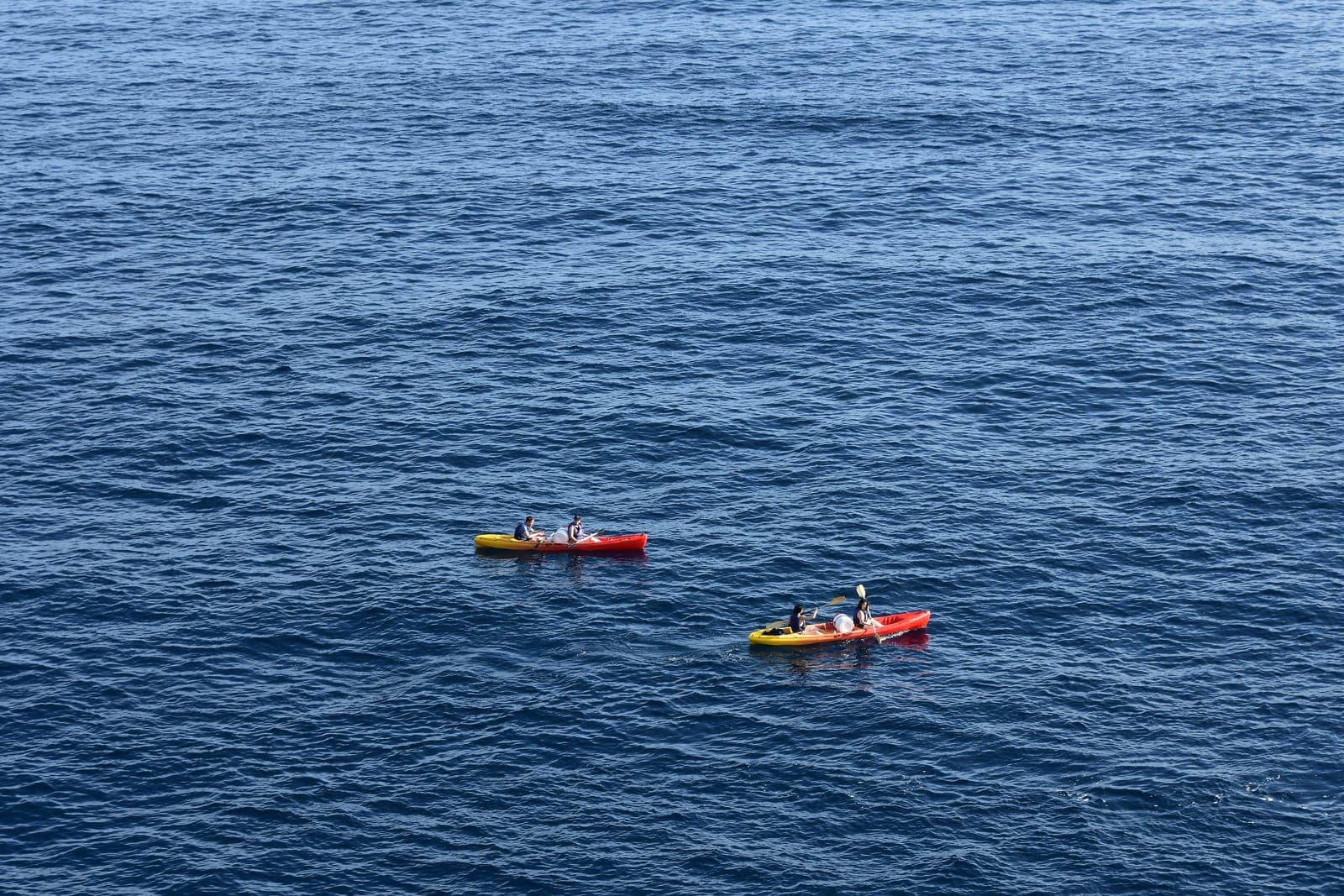
Three hours paddling the cliffs and hidden coves along Marjan's south shore, with two swim stops and a cave you can only reach by water. The best way to see Split from the side it was built to face, and easy enough for a complete beginner.

From €353 h

Related guides

Where to Stay in Split

Culture

Where to Stay in Split

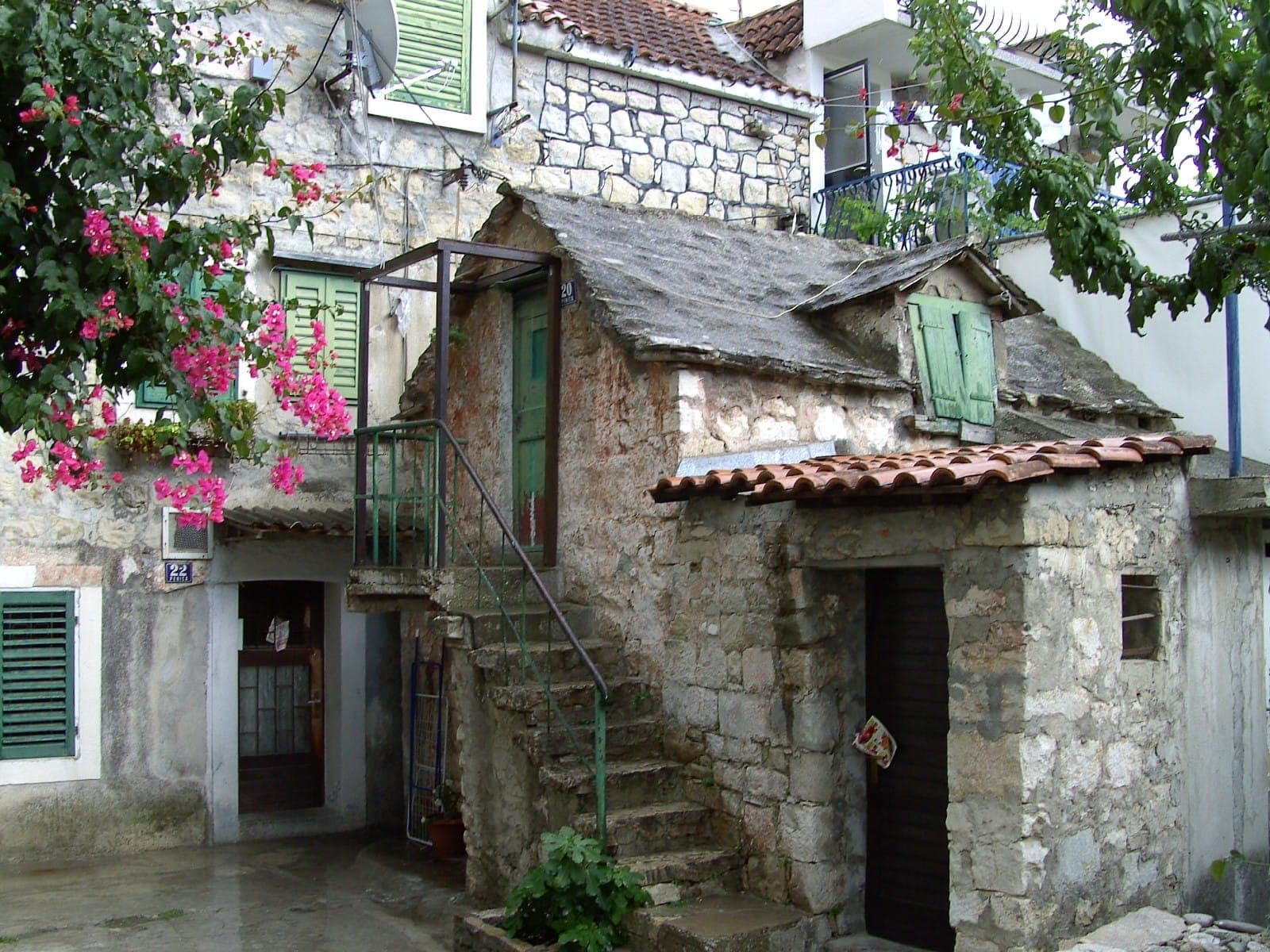
Inside the palace for atmosphere and noise, Varoš for stone lanes and quiet, Bačvice for the beach and the nightlife, Meje for calm and views, Žnjan for space and value. Split is small enough that none of them is a bad choice — they are just different holidays.

Is Split Worth Visiting?

Culture

Is Split Worth Visiting?

Yes, for two to five days, and most of all in June or September. Split is a Roman palace that people still live in, with beaches in town and the islands an hour away by boat. It is not worth it for a party-free week in mid-August, or for anyone who wants sand and silence.

Split or Dubrovnik: Where to Base Yourself

Culture

Split or Dubrovnik: Where to Base Yourself

Base yourself in Split if you want islands, day trips, beaches and a city that is still a city. Choose Dubrovnik for two or three nights of the most complete walled town on the Adriatic. For a week, Split; for a long weekend, either; with ten days, both — four to five hours apart.