From sea kayaking under Marjan to a konoba dinner in Varoš, these are the activities we would actually spend our own money on — with real prices, honest durations and where to book.
Two hours on a board lit from underneath, pushing off Stobreč as the sun goes and paddling into the river mouth in the dark. The LEDs light the bottom through three metres of water, which is the whole point: you can see what is down there.
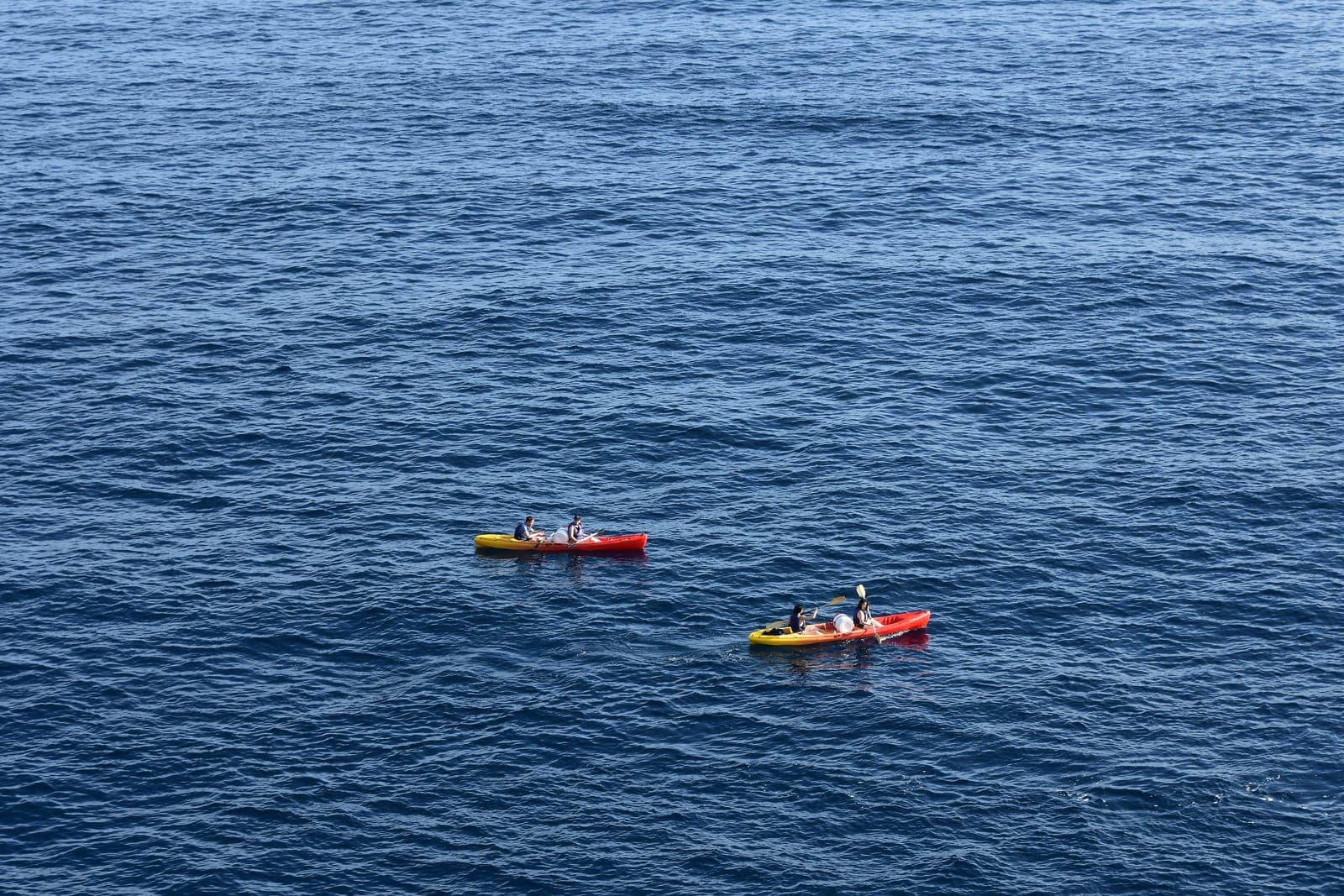
Three hours paddling the cliffs and hidden coves along Marjan's south shore, with two swim stops and a cave you can only reach by water. The best way to see Split from the side it was built to face, and easy enough for a complete beginner.
An hour and a half up the marked path from Strožanac to the chapel of St George, topping out around 441 metres with Split, Kozjak, Mosor and the islands all in view. It is free, it starts at a supermarket, and locals walk it before work.
Around eleven kilometres of the Cetina through its canyon below Omiš, on grade II–III water in summer. Three to four hours on the river, most of it drifting between short rapids, with swimming stops and a cliff to jump off if you want one.
A skippered yacht for the day, out to Šolta or Brač and back on the afternoon wind. Slower than the fast boats, quieter than all of them, and the only way to see this coast the way it has always actually been travelled.
Eight steel wires strung across the Cetina canyon about three kilometres from Omiš, 2,100 metres of cable in total. The longest single run is 700 metres, 150 metres above the canyon floor, and takes well under a minute.
Walking, swimming and abseiling down the Cetina where the canyon narrows above Omiš. The extreme version drops you 53 metres beside the Velika Gubavica waterfall and 25 metres again near the canyon exit; the ordinary one keeps its feet closer to the water.
Wrecks, walls and caves within an hour of the city, on water that is warm from June to October and clear most of the year. A try dive needs no experience and no certificate; a certified single dive is the cheapest way to get wet if you already have a card.
Half a day on the gravel tracks behind Podstrana and up towards Mravince and Kozjak, on roads that carry almost no traffic. The reason to go is the view: Split, Kaštela Bay and the islands laid out below you from a ridge most visitors never reach.
Split's own barefoot ball game, invented at Bačvice in 1908 and played in ankle-deep water with no points and no winner. Free, faintly ridiculous, and the single most Split thing you can do. Locals will let you join if you ask.
Three hours that get you round the palace, up Marjan and out along the coast without the climb. The electric assist is not laziness — it is the difference between seeing the top of the hill and reading about it.
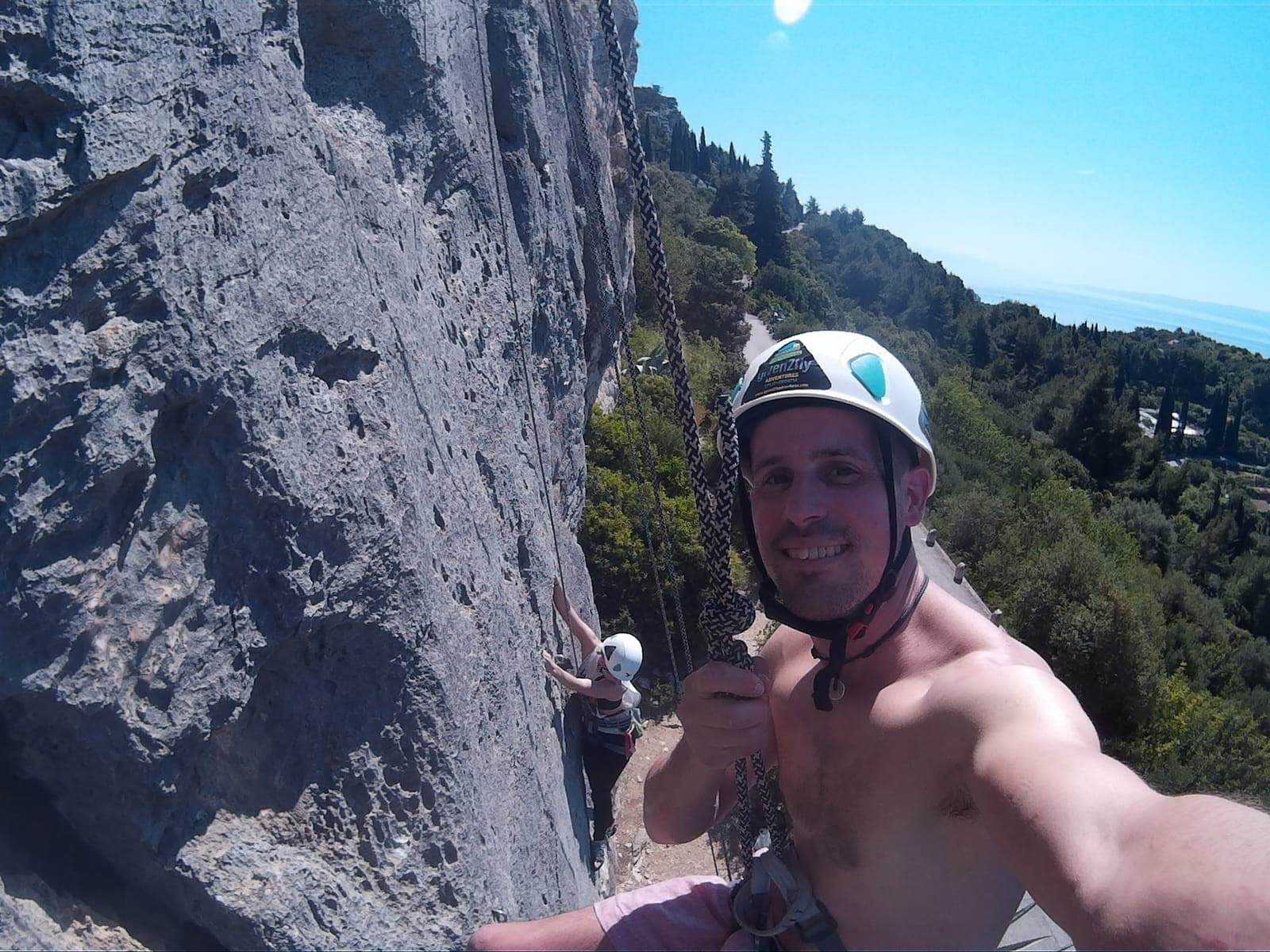
Bolted limestone routes on Marjan's south face, fifteen minutes from the old town, with the sea directly below. Guided beginner sessions run all year; the rock faces south so winter is often better than summer.
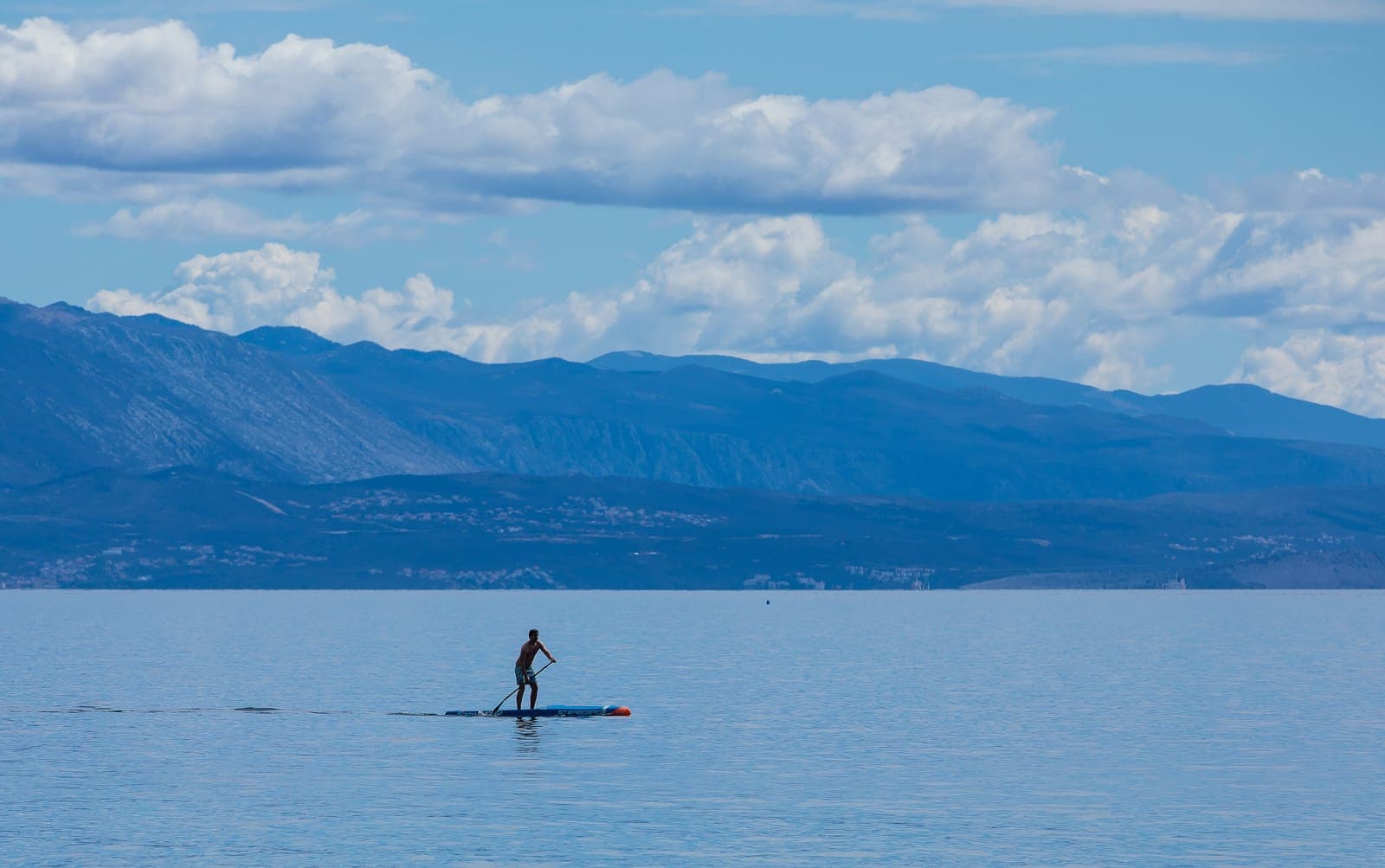
Board hire from Kašjuni and Bene for about €15 an hour, or a guided paddle along the Marjan cliffs. Flat water most mornings and a shoreline with no boat traffic close in — one of the easier places to learn.
The noisy end of the Split waterfront, and the only place near the city with the full concession: parasail, jet ski, banana, tube, pedalo. Nobody will pretend it is authentic. It is, however, exactly what a bored eleven-year-old wants at four in the afternoon.